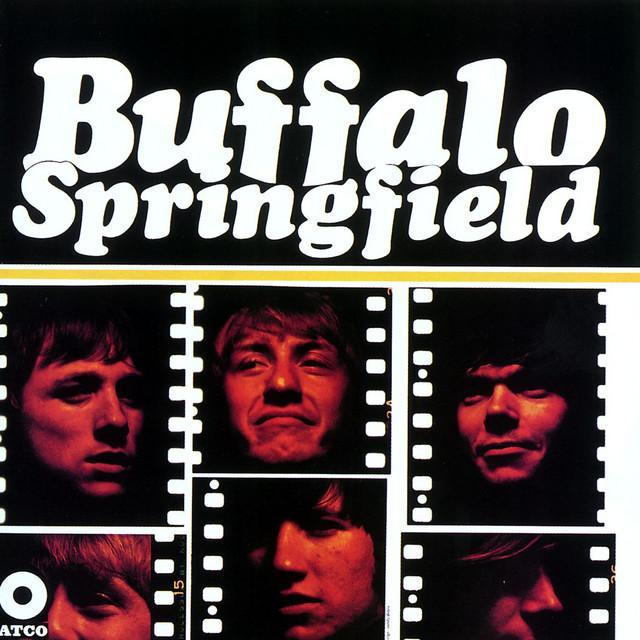
Why ‘For What It’s Worth’ by Buffalo Springfield Endures
They hear that first ping of guitar harmonics and know a warning is coming. Buffalo Springfield’s 1966 single is an anthem of alertness—quiet, pointed, and hard to shake. This guide breaks down the meaning of For What It's Worth Buffalo Springfield for modern listeners.
"For What It's Worth" - Buffalo Springfield
But what it is ain't exactly clear
There's a man with a gun over there
Loading lyrics...
Unable to load lyrics
We're unable to display the lyrics at this time. Please try again later.
A careful protest, not a battle cry
The song is less about rage than restraint. The narrator notices something happenin' here
and chooses to slow the moment down before it explodes. The lyric urges people to look, listen, and resist knee‑jerk reactions.
Historically, Stephen Stills wrote it after police-enforced curfews on Los Angeles’ Sunset Strip led to clashes with young clubgoers in late 1966. Instead of celebrating confrontation, the song frames escalation as a trap.
Watch the official For What It's Worth
music video
Who’s talking, and what are they seeing?
The voice is a first-person observer, close to the street. They clock a man with a gun
and feel the mood tighten. Then they widen the lens, speaking to everyone within earshot.
In the next breath, they underline how lines harden fast—battle lines being drawn
—and how that standoff blinds both sides: nobody's right if everybody's wrong
. The point isn’t to pick a team; it’s to keep perspective.
From curfew to chorus: a quick timeline
- Tension rises as authorities enforce new rules. The crowd forms; tempers follow.
- The narrator notices the shift from talk to confrontation.
- Partisanship creeps in—signs go up, slogans fly.
- The hook interrupts the spiral and calls for attention.
We better stop Hey, what's that sound? Everybody look what's going down
Interpretation: The refrain is a de‑escalation signal. It replaces reflex with reflection, asking people to pause before fear and force take over.
Symbols that sharpen the warning
Tribalism: When people chant Hooray for our side
, it reduces complex issues to team sports. The song flags this as a dead end.
Fear: The stark line paranoia strikes deep
shows how anxiety seeps into daily life. If people are primed to expect danger, they’ll see it everywhere—and act accordingly.
Authority: The image of a man with a gun
signals state power on the scene. The song doesn’t demonize individuals; it warns about the feedback loop between scared crowds and armed enforcement.
How the sound carries the message
Musically, the recording is restrained and alert. Neil Young’s chiming guitar harmonics create a warning-bell sheen. Stephen Stills’ vocal stays measured, almost conversational, which makes the caution feel credible.
The groove is mid-tempo and slightly ominous, with Dewey Martin’s drums keeping a low, insistent pulse. At 2:37, it’s economical—no soloing detours, just tension and release. The production by Charles Greene and Brian Stone keeps instruments separated and clear, as if to say: hear each part before you react to the whole.
Facts that frame the legacy
Recorded December 5, 1966, the single was rush-released that month and peaked at No. 7 on the Billboard Hot 100 in March 1967. It was later added to a second pressing of the band’s debut album. While many associate it with the Vietnam era broadly, its immediate spark was the Sunset Strip curfew unrest, where young music fans and police squared off over nightlife restrictions.
The song has since become Hollywood shorthand for the late‑’60s climate and, in later decades, resurfaced during new waves of protest. Stephen Stills and others have noted that people often misplace its origin story, which is a testament to how adaptable its message remains.
Alternate readings that still hold up
Interpretation: Some hear it as a generational standoff, with the address “children” framing elders chiding the young. But the chorus casts a wider net. It’s less scolding than communal, a plea that spans ages and sides.
Interpretation: Others treat it as an anti‑police song. The lyric is more nuanced. It critiques overreach and groupthink, on both sides, and argues that fear—public or official—breeds bad choices.
Takeaway you can feel today
The lasting meaning of For What It's Worth Buffalo Springfield is simple: pay attention before you engage. Notice the mood, question your team reflex, and refuse the spiral of fear. The song asks listeners to be witnesses first, actors second.
Disclaimer: Song meanings are subjective. This reading blends artist context, production choices, and lyrical analysis to offer one informed interpretation.
Sources
- https://en.wikipedia.org/wiki/For_What_It%27s_Worth
- https://www.npr.org/2019/02/20/696239566/the-story-behind-buffalo-springfields-for-what-its-worth
- https://www.latimes.com/archives/la-xpm-2007-aug-05-me-then5-story.html
- https://www.rollingstone.com/music/music-features/for-what-its-worth-buffalo-springfield-stephen-stills-1966-why-it-matters-121768/
- https://www.grammy.com/awards/hall-of-fame-award
- https://www.avclub.com/hollywood-sound-shorthand-1798253916








