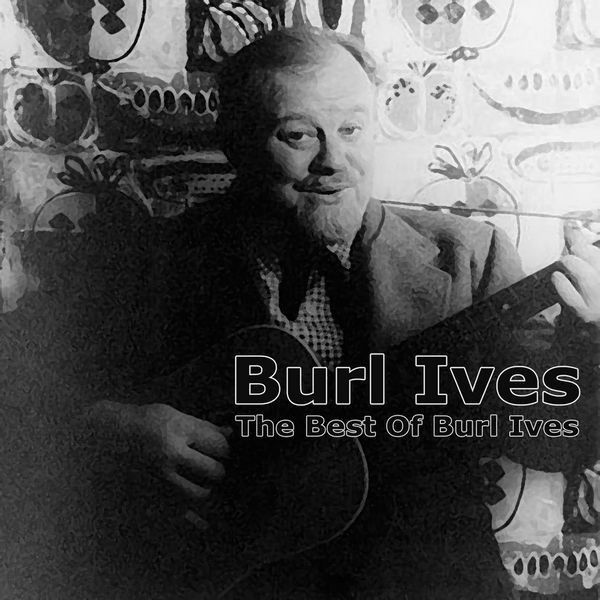
Down in the Valley by Burl Ives
The meaning of Down in the Valley Burl Ives starts with a simple feeling: love mixed with distance. In Burl Ives’ version of this old folk song, the speaker sounds heartsick, patient, and deeply human. They do not tell a big, dramatic story. Instead, they offer small pictures of longing—wind, flowers, a letter, a jail, and a glimpse of the person they love.
"Down in the Valley" - Burl Ives
Hang your head over, hear the wind blow
Hear the wind blow love, hear the wind blow
Loading lyrics...
Unable to load lyrics
We're unable to display the lyrics at this time. Please try again later.
Because this is a traditional American folk song rather than a modern pop single, its power comes from repetition and mood. According to reference histories of the song, “Down in the Valley,” also known as “Birmingham Jail,” is a traditional American folk song with many recorded versions and lyric changes over time. It was first recorded by Darby and Tarlton in 1927, and later popularized by artists including Burl Ives. The song is also commonly noted as being in 3/4 time, which helps explain its swaying, almost lullaby-like motion.
A Love Song Shaped by Separation
At its core, this is a song about wanting closeness when closeness is not possible. The opening image places the singer low in the landscape, in a place of sadness and humility. When they ask someone to hear the wind blow
, the idea is not really about weather. It suggests loneliness filling the empty space between two people.
That feeling grows in the next images. Nature seems to know how love works: roses need light, violets need moisture, and the singer needs the beloved. When the song says angels in heaven
, it lifts private emotion into something almost sacred. The love feels innocent, but it also feels unreachable.
Interpretation: The song is less about a specific breakup than about the ache of waiting. It captures the kind of love that stays alive even when life gets in the way.
Watch the official Down in the Valley
music video
Why the Birmingham Jail Line Matters
One of the most memorable verses asks for a letter to be sent to the Birmingham Jail
. That changes the song’s stakes. What sounded like ordinary yearning now carries a note of confinement and shame. Research on the song’s history says the “Birmingham Jail” reference points to the city jail in Alabama and became one of the best-known variants of the ballad.
This does not mean every performance must be read as literal autobiography. Folk songs often shift from singer to singer. Still, in Burl Ives’ reading, the jail verse adds weight. The speaker is not just lovesick; they may be cut off from normal life, unable to reach the beloved except by mail.
Write me a letter, send it by mail
Send it in care of, the Birmingham Jail
That short passage matters because it turns abstract sorrow into a real situation. They are waiting for proof that love still exists.
How the Verses Build One Emotional Picture
The song moves through a few clear emotional beats:
- A lonely setting opens the song.
- The singer compares love to natural things that belong together.
- They plead for comfort if love is uncertain.
- The jail verse introduces separation in a harder form.
- The closing image imagines seeing the beloved pass by.
That last image is especially painful. When the speaker wants to build a high place as she rides by
, they are not asking for union. They are settling for sight. Even seeing her from far away would be enough for a moment.
This is why the song lasts. It understands that longing often lowers its demands. First the heart wants love, then a letter, then just a glimpse.
Burl Ives and the Folk-Song Approach
Burl Ives built much of his career on presenting American folk material to wide audiences through radio, records, books, and television. In that context, his version of “Down in the Valley” works not as flashy reinvention but as preservation. His calm delivery helps the listener focus on the emotional plainness of the words.
The arrangement usually heard with Ives is spare and warm. The song’s waltz pulse gives it a rocking quality, almost like a cradle song, but the words keep it from becoming comforting. That contrast is important: the music is gentle while the feelings are not.
Sound, Tempo, and Meaning
Several musical choices support the song’s themes:
- Slow tempo: suggests patience and sorrow
- 3/4 meter: creates a circular, repeating feeling
- Simple melody: makes the emotion sound honest, not theatrical
- Unadorned vocal style: keeps attention on the story
In other words, the production does not dramatize the pain. It lets the sadness sit quietly.
A Folk Song with Many Lives
Part of the meaning of Down in the Valley Burl Ives comes from the song’s long life before and beyond Ives. Histories of the ballad note many variant lines, including versions with train imagery instead of wind, and even different jail names in performances by other artists. That matters because folk songs are communal. No single version owns the full meaning.
So what does Ives add? They give the song steadiness. Their version highlights tenderness more than danger. Even when the jail line appears, the performance feels reflective rather than rough. That makes the song sound less like a crime ballad and more like a universal statement about absence.
The Best Way to Read Its Final Emotion
The strongest reading is also the simplest: this is a song about love made heavier by distance, with prison serving as either a literal barrier or a symbol of emotional separation. Interpretation: The valley is the low place of the spirit, the wind is the sound of emptiness, and the letter is hope in physical form.
That is why the song remains moving. Its language is plain, but its feelings are large. It shows how folk music can hold heartbreak without overexplaining it.
In the end, Burl Ives’ version turns old verses into a quiet portrait of yearning, dignity, and endurance.
Disclaimer: This interpretation separates documented song history from critical reading. Because “Down in the Valley” is a traditional folk song with many variants, some meanings remain open to listener interpretation.







