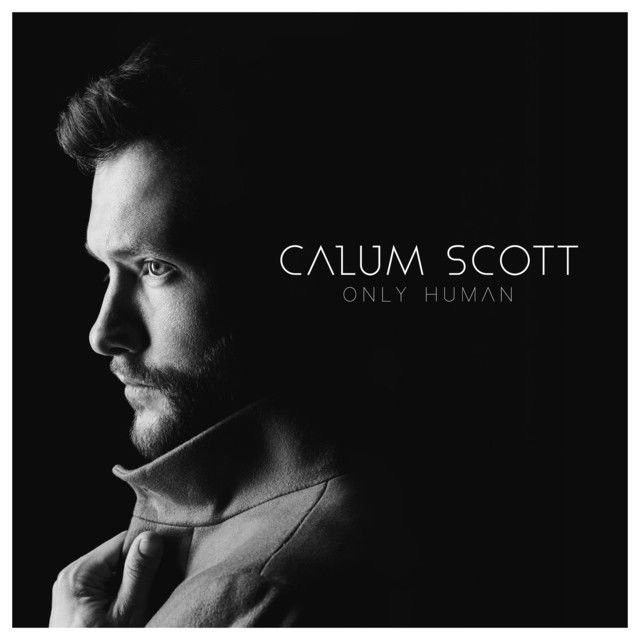
Dancing On My Own by Calum Scott
They’ve heard the track at weddings, in coffee shops, and in late-night playlists. But the meaning of Dancing On My Own Calum Scott still cuts deepest when it’s just a voice, a piano, and a feeling you can’t shake. This cover transforms Robyn’s club confessional into a spare, aching ballad about watching the person you love choose someone else—and trying to stay upright in the glow of the dancefloor.
"Dancing On My Own" - Calum Scott
Does she love you better than I can?
And there's a big black sky over my town
Loading lyrics...
Unable to load lyrics
We're unable to display the lyrics at this time. Please try again later.
The real meaning hiding in plain sight
At its core, the song is about unreturned love and the loneliness of being visible yet unseen. The narrator is close enough to witness the moment that hurts most and far enough to know they can’t change it. When they mention a big black sky
, they frame the night like a storm rolling in. It’s not just weather; it’s mood.
Interpretation: Scott’s version shifts the story from public heartbreak to private prayer. The original is defiant; this one is vulnerable. The feelings haven’t changed—only the volume has.

Watch the official Dancing On My Own
music video
Who’s speaking—and to whom?
The song uses first-person voice to talk to the person they love, mostly in silence. They insist, I'm giving it my all
, but the plea never becomes a demand. Instead, they accept the limit: not the guy you're taking home
. The power lies in that honesty. They know the ending and tell it to themselves anyway.
I'm in the corner, watching you kiss her, oh I'm right over here, why can't you see me?
Those two lines set the frame: the corner as a perch for heartbreak, the dancefloor as a stage they won’t step onto.
The night unfolds, moment by moment
- They hear a rumor about a new partner and go to see for themselves.
- They post up at the edge of the room and witness the kiss.
- They try to dance—motion as coping mechanism—even as the truth lands.
- As
the lights come on
andthe music dies
, the illusion ends. They remain.
Interpretation: The dance is a ritual of self-preservation. Moving keeps them from breaking, even when every step reminds them of what they’ve lost.
Images that do the heavy lifting
This lyric is cinematic. The corner is a shield and a cage. The big black sky
stretches the scene beyond the room, turning private pain into a citywide forecast. When they note being so far away but still so near
, they put a name to emotional distance. And the closing image—house lights up, sound gone—makes the heartbreak feel fluorescent and undeniable.
How the sound makes the hurt louder
Scott’s version slows the tempo and strips the production to piano, subtle pads, and reverb. That space puts every breath in focus. He leans into dynamic swells, almost whispering the verses, then opening his tone in the chorus. The restraint mirrors the character’s self-control: rather than wail, they steady themselves and keep dancing. The harmony stays simple so the melody can carry the confession. It’s a study in how arrangement can flip a dance anthem into a torch song without changing the words.
Context that shapes how we hear it
Calum Scott introduced this cover to a wide audience in 2016, and the response turned it into his breakout moment. By preserving the pronouns, he kept the original framing and added a fresh layer: a male singer mourning a man who’s kissing a woman. Interpretation: that choice invites an LGBTQ+ reading—quiet longing at the edge of a heteronormative space—without making it only about identity. The story remains universal: loving someone who cannot love you back.
It also matters that Scott sings with precision and restraint. There are no vocal fireworks for their own sake. The ballad form centers the lyric; the pauses feel like swallowed words. Production-wise, the piano’s warm low end and airy top make it feel like a late-night confession in an empty room.
Why the chorus hurts—and heals
The chorus repeats the core facts until they become bearable. The line I'm giving it my all
acknowledges effort; not the guy you're taking home
accepts reality. The hook isn’t about winning the person back. It’s about naming the loss so it stops owning you. Interpretation: the act of “dancing on my own” becomes self-soothing, even self-respect. They refuse to unravel in public, so they move.
Other ways to hear it
- Interpretation: A grief song. The dancefloor stands in for any place where life keeps going while you’re stuck in your head.
- Interpretation: A closure song. When
the lights come on
andthe music dies
, the fantasy ends. Walking out is the first step forward.
Closing thought you can hold on to
The meaning of Dancing On My Own Calum Scott is the bravery of staying soft when you could turn hard. They stand in the corner, feel everything, and keep moving. That’s not defeat—it’s survival.
Disclaimer: Song interpretations are subjective and reflect one reading of the lyrics, performance, and production.









