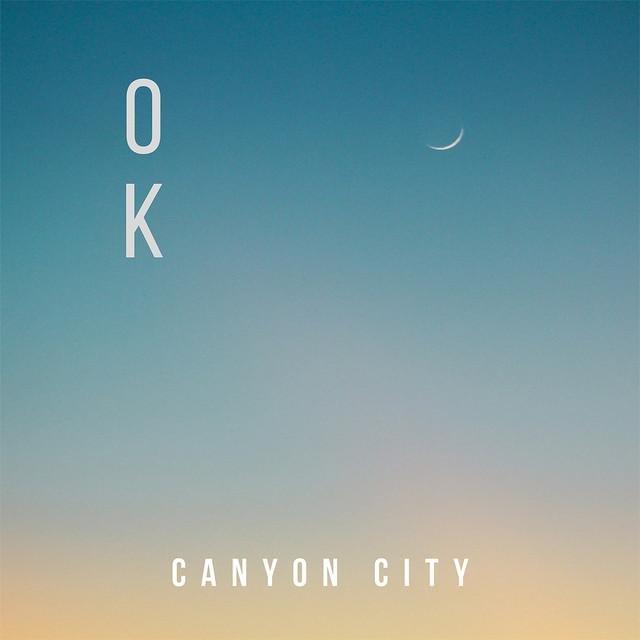
OK by Canyon City
The meaning of OK Canyon City starts with a simple but affecting idea: healing does not always arrive as a breakthrough. Sometimes it arrives as a person, a season, or a quiet change in perspective. In this song, Canyon City—the project of songwriter Paul Johnson—turns that in-between state into the whole point.
"OK" - Canyon City
Here alone and I was fine
Leaving nothing much behind
Loading lyrics...
Unable to load lyrics
We're unable to display the lyrics at this time. Please try again later.
Rather than claiming everything is fixed, the song lives in partial recovery. Its emotional core is the line not ok
, followed by the even more important admission that they are still doing better than before. That balance gives the track its honesty.
A Love Song That Refuses Perfection
Factually, Johnson told Paste that “OK” was written after moving from Brooklyn to Chattanooga with his wife, and that it came out of a life season that felt both adventurous and disorienting. The outlet also reported that the single premiered on Oct. 16 and was released Oct. 18, and that it was co-produced by Zachary Kuykendall, who added orchestral texture. Johnson described it as an honest love song about gradual growth rather than polished perfection.
That context matters because the lyrics match it closely. The speaker begins in a lonely mental space, imagining a future where they might leave very little behind. The details are modest—music, mistakes, heartbreak—but they suggest a person who has been living small and inward.
Interpretation: the song is not only about romance. It is also about relearning how to belong to a life. When love enters, it does not erase the past. It changes the speaker’s scale of hope.

Watch the official OK
music video
From Isolation to Shared Light
The first verse looks backward at a version of the self shaped by fear and emotional scarcity. The image of keeping only “a few guitars” and some damaged memories paints a stripped-down existence. Then the song introduces a turning point with a burst of brightness, described through a sudden opening of vision.
When the loved one appears, the speaker says they could not close their eyes anymore. In plain terms, love interrupts emotional numbness. It forces attention back onto the world.
That change continues in the chorus. The phrase better than I was
is crucial because it rejects all-or-nothing thinking. The speaker is still struggling, but they can measure movement. For many listeners, that is what makes the song feel comforting instead of tragic.
Why the Chorus Feels So Human
The chorus circles around late sunlight, color, and the idea that what fades can still return. The repeated reassurance—it comes back up
—sounds like a sunrise, but also like emotional resilience. Sadness may linger, but it is not final.
Though the nights are long
there's peace you're walking towards
This is the song’s one direct message outward. It briefly shifts from private reflection to encouragement, as if the speaker has learned enough to offer someone else a hand. That move broadens the song from personal diary to gentle anthem.
Interpretation: this section suggests that healing becomes most believable when shared. The narrator’s hope matters more because it has been tested.
The Central Theme: Enoughness After Wanting More
A second verse adds another layer. The speaker used to chase a little more
and never felt secure in what they had. That restlessness is different from the loneliness in verse one, but it grows from the same root: dissatisfaction with the present self.
The song answers that hunger with an image of fullness. Empty hands become full when love arrives. Importantly, this is not framed as possession or rescue. It sounds more like emotional grounding. The speaker no longer judges life by what is missing.
That idea lines up with Johnson’s statement to Paste, where he said the distilled message was essentially: they are not at the finish line, but this is the person they want beside them on the way there. That is a mature romantic vision. It is less about fantasy than companionship.
How the Sound Carries the Meaning
The production deepens the song’s message. Paste described “OK” as a folk-pop single built on hushed vocals and mellow acoustic guitar, with Kuykendall adding lush orchestration and texture. Those choices matter.
There is no huge drum hit or dramatic vocal peak telling the listener that everything has changed overnight. Instead, the arrangement expands carefully. The acoustic base keeps the song intimate, while the ambient layers suggest emotional space opening up.
Interpretation: the sound mirrors incremental healing. The track does not explode into joy; it breathes into it. That restraint makes the final brightness feel earned.
A Useful Way to Read the Ending
By the end, the song revises its bleak opening thought. What once felt like a doomed future now looks like a false belief. The final line effectively calls that old fear a lie. This is a key part of the meaning of OK Canyon City: despair once sounded truthful, but love and time exposed it as incomplete.
There is also a subtle communal shift. Earlier, the song sounds like one person talking about private pain. Later, it begins to sound like two people standing in the same light. The move from solitude to togetherness gives the song its emotional release.
Why “OK” Connects So Strongly
What makes “OK” memorable is its refusal to oversell recovery. It never says life is perfect. It says progress is real. For listeners tired of dramatic self-help language or idealized love songs, that can feel unusually trustworthy.
In that sense, Canyon City turns a modest title into a serious statement. “OK” is not settling. It is surviving, growing, and learning to call that growth meaningful.
Disclaimer: This interpretation is based on the released lyrics, available artist comments, and the song’s recorded presentation. As with any art, listeners may hear different meanings in it.









