Why Capleton’s Warning Still Hits Hard
The meaning of That Day Will Come Capleton centers on justice. In this song, they do not simply hear anger. They hear a warning, a prayer, and a promise that wrongdoing will one day face judgment.
"That Day Will Come" - Capleton
Equal rights and justice for all
Rise and never fall
Loading lyrics...
Unable to load lyrics
We're unable to display the lyrics at this time. Please try again later.
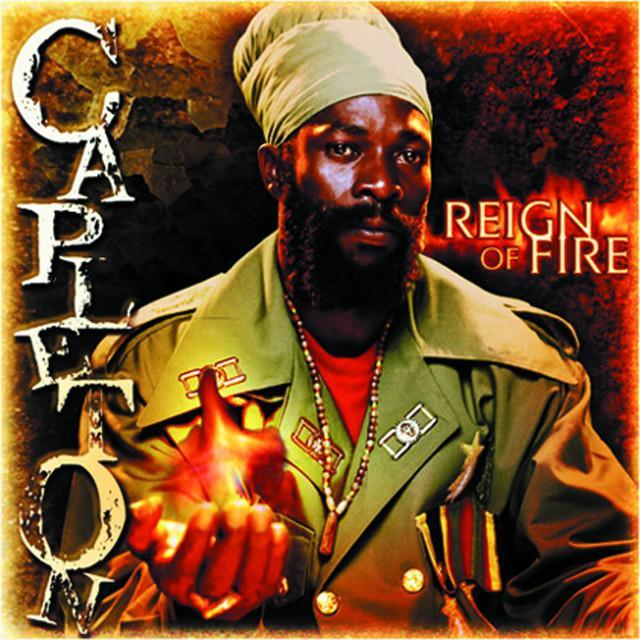
Capleton has long been known for mixing dancehall force with Rastafari themes. Public biographies describe him as a Jamaican reggae and dancehall artist whose music often reflects Rastafari belief and social critique. They are also widely known as “The Fireman,” a name tied to his recurring fire imagery and spiritual rhetoric. According to his career overview, “That Day Will Come” appeared in 2004 over the Hard Times riddim, during a period when he was making some of his strongest conscious material.
A Song About Judgment, Not Revenge
At its core, the song imagines a future reckoning. The speaker looks at corruption, violence, and exploitation and insists that none of it will last forever. When Capleton repeats That day will come
, they are not just hearing a catchy hook. They are hearing a prophecy of accountability.
Interpretation: The song’s emotion can sound triumphant, even severe, but its deeper target is injustice itself. The villains here are not random enemies. They are the “wicked men” who profit from suffering, spread fear, and keep the vulnerable trapped.
This is why the chorus matters so much. It pictures a time when there is nowhere to run
from moral judgment. That line turns the whole track into a warning against abuse of power.
Watch the official That Day Will Come
music video
The Speaker’s Worldview Comes From Rastafari
The meaning of That Day Will Come Capleton becomes clearer when placed in Capleton’s spiritual world. His music often draws on Rastafari language, especially ideas of Babylon, liberation, and divine justice. The song opens with Equal rights and justice for all
, which frames everything that follows.
That line is important because it keeps the song from becoming simple rage. They are not celebrating chaos. They are demanding a moral balance that has been denied.
The reference to Emperor Selassie I lifts the song into religious territory. In Rastafari thought, Selassie symbolizes divine authority, dignity, and Black liberation. Interpretation: When Capleton imagines Selassie raising ghetto yute
from poverty, they are expressing hope that the poor will be restored, seen, and spiritually elevated.
How the Verses Build the Message
The verses move in a clear pattern:
- They confront the proud and corrupt.
- They warn that the world is small, so no one escapes consequence.
- They list the damage done to ordinary people.
- They imagine a final day of exposure and judgment.
The repeated idea that people are living in a “small world” matters. Paraphrased, Capleton is saying that power does not make anyone untouchable. No matter how “wicked,” “slick,” or “tough” someone seems, their actions circle back.
One of the song’s strongest ideas is that harm spreads outward. The lyrics mention weapons, drugs, brainwashing, and the suffering of innocents. Rather than focus on one personal betrayal, the song points to a whole system of violence. That makes it feel larger than a clash between individuals.
Fire, Weapons, and the Slum
The track uses vivid symbols. Fire is the most obvious one. In Capleton’s body of work, fire often represents purification and divine cleansing rather than a literal instruction. That context matters because it changes the song from an attack fantasy into a spiritual judgment song.
Weapons are another major symbol. When the chorus imagines people handing over bombs, bullets, and guns, the song dreams of disarmament. This is one of its most striking moves. It does not only predict punishment; it also imagines an end to organized violence.
Then there is the image of the slum and the “ghetto youth.” That grounds the song in material hardship. They are hearing not just theology, but social protest. The song stands with people hurt by poverty, exploitation, and neglect.
Why the Hard Times Riddim Fits So Well
Production matters here. The Hard Times riddim gives the song a weighty, steady pulse. Instead of rushing, it moves with patience and force. That musical choice supports the lyric’s main idea: justice may be delayed, but it is certain.
Capleton’s vocal performance also does a lot of work. He shifts between chanting, warning, and near-preaching. That delivery makes the song feel halfway between a street report and a sermon.
Interpretation: The contrast between the grounded riddim and the blazing vocal imagery mirrors the song’s message. The beat says endure; the voice says judgment is coming.
More Than Anger: A Moral Scorecard
Part of what makes the meaning of That Day Will Come Capleton endure is that the song is not only emotional. It is organized around ethics. They hear a list of wrongs: shackles, chains, brainwashing, guns, cocaine, and suffering passed down to the innocent.
That turns the song into a moral scorecard. Capleton is naming what must be answered for. The repeated promise of judgment is therefore tied to memory. The oppressed are not asked to forget.
There is also a subtle note of hope beneath the severity. If evil can be judged, then history is not closed. Change is possible. The future does not have to belong to the same powers that created the pain.
The Lasting Takeaway
In the end, this song is a fierce vision of justice for people failed by earthly systems. It uses Rastafari faith, social critique, and roots-reggae gravity to say that oppression will not have the final word.
That is why the track still lands. They hear not just anger at the world as it is, but belief in a day when it must answer for itself.
Disclaimer: This article offers an interpretation of the song based on its lyrics, performance, and publicly available artist context. Meanings can vary from listener to listener.









