Why 'Drunk Drivers/Killer Whales' Hurts So Much
The Heart of the Song
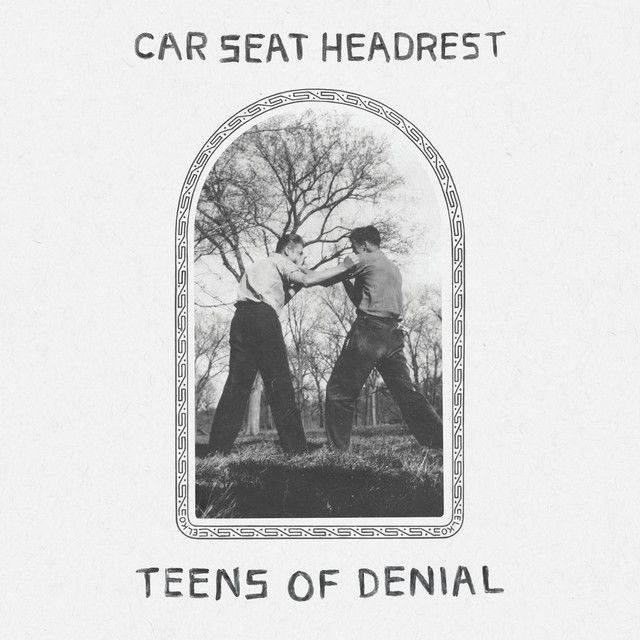
The meaning of Drunk Drivers/Killer Whales Car Seat Headrest centers on guilt, self-awareness, and the small but life-saving moment when a person decides not to keep destroying themselves. Released on Teens of Denial in 2016, the song became one of Car Seat Headrest’s best-known tracks and helped define the band’s breakout era. Car Seat Headrest is the project led by Will Toledo, and the album is widely noted as a turning point from home-recording cult fame to a larger indie-rock audience.
"Drunk Drivers/Killer Whales" - Car Seat Headrest
Our love tells me I'm a mess
I couldn't get the car to start
Loading lyrics...
Unable to load lyrics
We're unable to display the lyrics at this time. Please try again later.
At its core, the song is not a defense of reckless behavior. It says the opposite. When the chorus repeats Drunk drivers
and then admits It’s not okay
, the writing rejects excuses. The narrator sounds like someone standing very close to a terrible choice, trying to strip away denial before harm is done.
Watch the official Drunk Drivers/Killer Whales
music video
A Voice Trapped Between Shame and Survival
The speaker sounds split in two. One part is confused, messy, and emotionally stalled. Early images of a broken interior world, like the heart compared to a cluttered backseat, suggest a person who cannot steer their feelings well. The line about trying to get home turns that emotional mess into a simple human goal: safety, rest, and some kind of moral return.
That is why the phrase trying to get home
matters so much. It is not just about driving. It points to a person trying to get back to decency, to a stable self, or to a life that has not gone off the road.
Not a Moral Lecture, but a Plea
What makes the song powerful is its tone. They do not sound superior. The lyric We’re just trying
gives the song compassion without removing responsibility. It sees failure as common, but it still insists that harm is real.
This balance is one reason the song connected so strongly with listeners and critics during the Teens of Denial rollout. Reviews from outlets like Pitchfork highlighted Toledo’s gift for turning private panic into communal rock music.
How the Lyrics Build the Story
The song moves in stages, and each part deepens the same idea.
- It begins in confusion and self-disgust. The narrator feels disorganized, emotionally immature, and unable to move forward.
- It shifts into a wider statement about human weakness. The song says people are not noble heroes in a contest. They are flawed and barely holding on.
- It then reaches a darker insight: people can become like the things they hate. That thought turns the song inward, toward shame and self-recognition.
- Finally, it offers a narrow path out: stop the motion, leave the machine, and choose life.
That last turn is the emotional key. Near the end, the inner voice says:
Turn off the engine
Get out of the car
and start to walk
This is the song’s clearest message. In plain terms, they should stop before damage becomes irreversible. The image works literally, but it also works as a larger metaphor for breaking any destructive pattern.
Why “Killer Whales” Changes the Meaning
The second half of the title can seem strange at first. Why go from drunk drivers to whales? Interpretation: the whale image opens the song up from one specific danger to a broader meditation on instinct, violence, and fate. Killer whales are powerful animals, but in the song they also feel ghostly and distant, almost dreamlike.
When the refrain repeats It doesn’t have to be like this
and then answers with Killer whales
, the track shifts from confession into something nearly spiritual. The words stop describing one event and start sounding like a chant against doom.
Interpretation: the whales may symbolize a force bigger than the narrator’s immediate shame—nature, death, fear, or the feeling that destruction can seem built into life itself. But the repeated plea pushes back. The song argues that inevitability is often a lie people tell themselves before they make a bad choice.
The Sound Makes the Message Land
Production matters a lot here. Car Seat Headrest often blends raw confession with big, guitar-driven arrangements, and this song is a strong example. The verses feel controlled and thoughtful, but the chorus opens outward, as if private guilt suddenly becomes public truth.
The drums and guitars build patiently rather than exploding all at once. That slow lift mirrors the narrator’s thinking: first numbness, then recognition, then urgency. By the time the song reaches its repeated ending, the music feels less like a story and more like a desperate intervention.
Toledo has often written songs where self-criticism and dark humor sit beside genuine vulnerability; that mix is part of Car Seat Headrest’s identity, documented in album coverage and band profiles from sources like Matador Records and AllMusic. Here, though, the humor nearly disappears. What remains is stark and sincere.
A Song About Addiction, Depression, or Responsibility?
All three readings have support, but they should be labeled carefully.
Interpretation: on one level, the song is plainly about drunk driving and the moral horror around it. The repeated naming of the act keeps the issue concrete.
Interpretation: on another level, it fits addiction more broadly. The engine, momentum, rationalization, and failure to stop all resemble compulsive behavior.
Interpretation: it can also be heard as a song about depression and self-loathing. The empty feeling, the harsh inner voice, and the struggle to begin again all point there.
The song works because it never forces just one reading. Instead, it turns a real-world danger into a larger portrait of how people drift toward harm while trying to excuse themselves.
Why the Song Still Stays With People
What lasts is not just the warning. It is the mercy inside the warning. The song says people fail, become ugly, and disappoint themselves. But it also says they can still stop.
That is why the final instruction matters so much. They do not need to be pure or perfect first. They only need to interrupt the pattern.
For many listeners, that is the real meaning of Drunk Drivers/Killer Whales Car Seat Headrest: not a tale of freedom, but a song about the exact second when conscience speaks loudly enough to save a life.
Disclaimer: This article offers interpretation based on the lyrics, recording context, and public reception. Meanings can vary from listener to listener.








