Why 'Everlasting Love' Still Feels Urgent
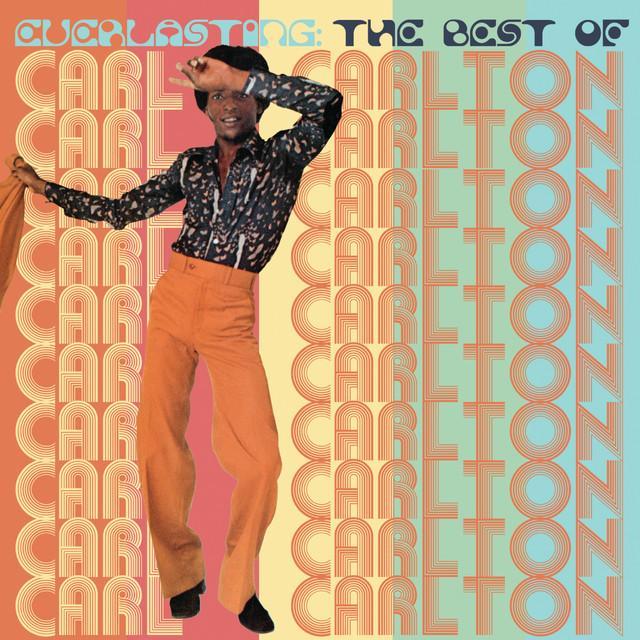
The meaning of Everlasting Love Carl Carlton comes down to a simple but emotionally sharp idea: love lasts only if someone is willing to return, admit fault, and ask for another chance. Carl Carlton did not write the song, but his 1974 hit version gave that message new life with brighter momentum and a dance-floor pulse.
"Everlasting Love" - Carl Carlton
I went away just when you needed me so, oh yeah
Filled with regret I come back beggin' you
Loading lyrics...
Unable to load lyrics
We're unable to display the lyrics at this time. Please try again later.
Written by Buzz Cason and Mac Gayden, the song first became a hit for Robert Knight in 1967, then reached its biggest US chart peak when Carlton's version hit No. 6 in 1974. It remains one of pop's rare songs to chart across multiple decades and styles, from soul to disco to dance-pop. That history matters because the song's core promise is durable, even when the sound changes.
A Love Song That Starts With Failure
At its heart, this is not a fairy-tale romance. The opening lines begin in damage and distance. The singer admits that hearts can drift, that he left at the wrong time, and that he now returns full of remorse.
That is what gives the song its staying power. Before it ever celebrates devotion, it confesses harm. Phrases like hearts go astray
and filled with regret
show that this relationship has already been tested.
Interpretation: The song argues that lasting love is not the absence of mistakes. It is the choice to come back, speak plainly, and rebuild trust.
Watch the official Everlasting Love
music video
The Chorus Turns Regret Into a Vow
The chorus is where apology becomes commitment. Instead of staying in guilt, the singer stands before the other person and makes an open pledge. When he says open up your eyes
and offers everlasting love
, he is asking not just to be heard, but to be believed.
This is why the hook works so well. It is direct, almost public in its confidence. The singer is not describing a crush or a passing feeling. He is presenting love as a long-term promise.
Here I stand
with my everlasting love
Those words are brief, but they carry the whole song. They turn the story from absence to presence. He was gone; now he is here.
Who Is Speaking, and What Do They Want?
The narrator speaks in first person, but the emotional focus stays on the person he hurt. He needs forgiveness, yet he also wants reunion, stability, and a future. One line points toward marriage, which makes the promise feel formal and serious rather than casual.
That matters because the song keeps balancing romance with accountability. He does not act as if love should automatically return. He asks for the other person to reopen their heart.
A quick timeline makes the story clearer:
- He leaves and causes pain.
- He realizes what he lost.
- He comes back asking to be forgiven.
- He reframes love as something permanent.
- He imagines a shared future stronger than other romances.
Images of Rivers, Sunlight, and Permanence
The lyrics are simple, but their images are effective. The line about life's river suggests uncertainty. Rivers move, twist, and carry people forward whether they are ready or not. In that setting, love becomes a guide through confusion.
Then the song shifts to sunlight. The idea that love shines steadily, like the sun, gives the chorus emotional warmth. It suggests endurance, not drama.
Interpretation: These natural images make the relationship sound bigger than one breakup. The lovers are not just fixing a fight; they are trying to anchor themselves against time and change.
Why Carl Carlton's Version Hits So Hard
Carl Carlton's recording matters because the production changes how the words land. According to available chart and session history, his version was recorded in 1973 at Creative Workshop in Tennessee and produced by Papa Don Schroeder and Tommy Cogbill. It was later remixed in a disco style and released as an A-side in 1974, becoming a discothèque favorite before crossing to pop radio.
That upbeat groove is crucial to the song's meaning. A slower arrangement might make the lyric sound pleading or wounded. Carlton's version gives it lift. The drums, bass, guitar, and bright background harmonies push the promise forward with confidence.
Instead of sounding stuck in regret, the record sounds renewed. The persistent backing vocals almost act like emotional reinforcement, making the central vow feel communal and undeniable. That blend of soul sincerity and disco motion helped make Carlton's take the highest-charting US version of the song.
Artist Context and the Song's Long Life
Carlton was already an established singer before this hit, but Everlasting Love
became his biggest US pop success. Its popularity also says something about the song itself. Audiences kept returning to it because the writers built a message that survives rearrangement.
Buzz Cason once said the original Robert Knight record had "the magic," and Knight recalled shaping the melody into a steadier vocal approach. Those comments help explain the song's durability: its hook is strong, but its emotional clarity is even stronger.
Across versions, the central idea stays the same. Love is presented not as fantasy, but as a promise that must outlast doubt, absence, and time.
The Lasting Meaning of Everlasting Love Carl Carlton
So, what is the meaning of Everlasting Love Carl Carlton? It is a song about returning after failure and trying to prove that love can still be real, steady, and future-facing. Its chorus is hopeful, but the verses keep that hope honest.
That balance is why the song still works. It is romantic, yes, but it is also about repair.
Interpretation disclaimer: Song meaning can never be fully fixed. This reading is based on the lyrics, recording context, and documented history around the song's major versions.







