One Step Away by Casting Crowns
Why This Song Still Reaches People
The meaning of One Step Away Casting Crowns centers on return, not ruin. The song speaks to people who feel stuck in regret and tells them they are not as far gone as they think. Instead of focusing on punishment, it offers a Christian message of mercy, welcome, and change.
"One Step Away" - Casting Crowns
And unmake the mistake that left you a million miles away
From the you, you once knew
Loading lyrics...
Unable to load lyrics
We're unable to display the lyrics at this time. Please try again later.
Casting Crowns have often written songs that mix plainspoken faith with everyday struggle. According to Songfacts, lead singer Mark Hall said the core idea is that people are not miles away from hope; they are only one step away from Jesus, who receives them as they are. That statement helps frame the whole song.

Watch the official One Step Away
music video
The Core Message: Shame Says Run, Grace Says Return
At its heart, the song answers a common fear: what if someone has gone too far to come back? The verses describe a person looking backward at a painful mistake. The emotional weight comes from the sense that one bad choice created a huge distance from the person they once were.
Then the song flips that idea. It argues that shame exaggerates distance. The chorus answers shame with invitation, repeating one step away
to make the point simple and memorable. They are not trapped in a long, impossible journey. They can turn now.
This is why the line about coming home
matters so much. Home is not just a place in this song. It is belonging, peace, and restored identity. In Christian terms, it suggests coming back to God after guilt, failure, or spiritual drift.
How the Lyrics Build That Meaning
The first verse opens with a question about reliving a day and undoing a mistake. That setup matters because it names a feeling many listeners know well: the wish to go back and fix everything. But the song quickly says the past cannot be edited.
Instead, the lyrics move from reversal to response. They do not promise a changed past; they promise a changed direction. That is a key distinction in the meaning of One Step Away Casting Crowns. The person cannot erase what happened, but they can stop letting it define the future.
One of the strongest ideas appears when the song says mercy means a person does not have to keep running. The image is clear: shame pushes people farther down a bad road, while grace tells them to stop, turn, and return.
Lay down your old chains
Take up your new name
These lines turn the song from comfort into action. The first phrase suggests guilt, bondage, or old habits. The second points to a renewed identity. In Christian language, this is about transformation, not just relief.
Who Is Speaking, and to Whom?
The song uses a direct second-person voice, even though the article discusses it in third person. That direct address is important. The singer is not talking about distant sinners in an abstract way. They are speaking to one hurting listener at a time.
That is why short phrases like you're not alone
and arms wide open
hit so hard. They turn theology into comfort. The song does not lecture. It reassures.
Interpretation: The speaker can be heard in two ways at once:
- as a pastor or friend speaking to someone in pain
- as a musical picture of God calling a person back home
Both readings fit the lyrics, and the overlap gives the song its warmth.
The Faith Themes Beneath the Hook
Several Christian themes run through the song:
- Grace over shame: failure is real, but it is not final.
- Repentance as turning: the song imagines change as a turn back, not a climb toward perfection.
- Identity renewal: the idea of a
new name
points to becoming renewed rather than forever labeled by the past. - Nearness of God: divine love is presented as already available, not far away.
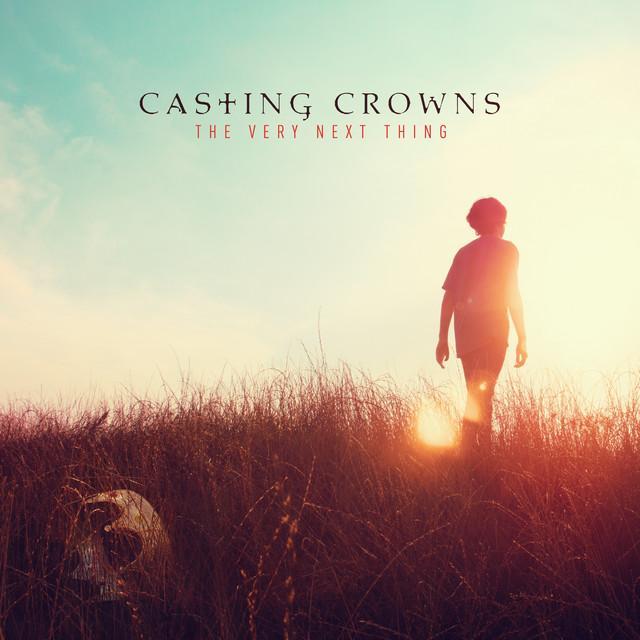
This fits Casting Crowns' larger catalog, which often emphasizes practical faith, surrender, and spiritual honesty. Information on the band's 2016 album The Very Next Thing also helps place the track in a season of reflective, encouragement-focused songs.
How the Sound Carries the Message
The production supports the lyric in smart ways. The song is built like a modern Christian pop-rock anthem, with steady drums, clean guitars, keyboard textures, and a chorus that opens wide. That widening matters. As the lyric moves from private regret to public hope, the arrangement grows bigger too.
The verses feel conversational, which matches the song's counseling tone. Then the chorus lifts melodically, giving the phrase one step away
an almost physical sense of rising. The repeated bridge adds intensity without becoming harsh. It sounds less like pressure and more like persistence, as if the invitation keeps knocking.
Mark Hall's vocal delivery is also central. He does not sing the song as a detached narrator. They hear concern in his voice, which makes the reassurance believable. The performance sounds like someone trying to reach a person before despair hardens.
Why the Song Resonates Beyond Church Walls
Even for listeners outside Christian music, the song works because its emotional problem is universal. Many people feel defined by one mistake. Many assume healing must be far away. This song challenges that belief.
Interpretation: In a broader sense, the track can be heard as a song about recovery, forgiveness, and choosing a new path after failure. Its religious language is specific, but its emotional structure is widely relatable: regret, invitation, decision, renewal.
That helps explain its reception. Songs like this endure because they simplify a complicated feeling without sounding shallow. They meet listeners in self-blame and answer with hope.
Final Take on the Meaning
The meaning of One Step Away Casting Crowns is that no one is beyond mercy, and return can begin right now. The song rejects the lie that a person is too broken or too far gone. It insists that grace is nearer than shame says.
Its lasting power comes from that mix of direct lyrics, welcoming faith, and uplifting production. They hear a song that knows the past hurts, but refuses to let the past have the last word.
Disclaimer: This interpretation is based on the lyrics, available artist commentary, and musical context. As with any song, listeners may hear personal meanings that go beyond this reading.








