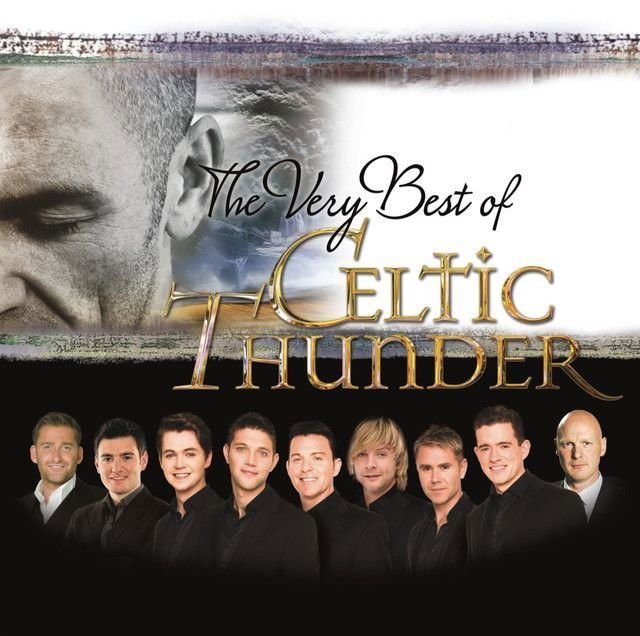
Why Celtic Thunder’s "Hallelujah" Feels So Human
For many listeners in the United States, the meaning of Hallelujah Celtic Thunder comes down to one idea: this is a song about how praise and pain can exist at the same time. Celtic Thunder did not write the song—Leonard Cohen did—but their version brings out its tenderness, solemnity, and emotional reach.
"Hallelujah" - Celtic Thunder
That David played, and it pleased the Lord
But you don't really care for music, do you?
Loading lyrics...
Unable to load lyrics
We're unable to display the lyrics at this time. Please try again later.
The words move between biblical images, romantic disappointment, and spiritual doubt. In Celtic Thunder’s hands, the song feels less like a puzzle and more like a quiet confession shared with a crowd.
A Song About Broken Faith and Lasting Wonder
At its core, “Hallelujah” is about trying to make sense of love, belief, and suffering. The title sounds joyful, but the verses complicate that feeling. The song suggests that people do not always arrive at praise through peace. Sometimes they reach it through grief, confusion, and defeat.
That tension appears right away with secret chord
. The image points to music as something sacred and mysterious. But the next emotional turn undercuts certainty. The song keeps asking whether beauty still matters when life has gone wrong.
Interpretation: In Celtic Thunder’s version, that conflict feels central. They present “hallelujah” not as a simple religious shout, but as a word spoken after life has tested someone.
Watch the official Hallelujah
music video
Biblical Stories, Human Feelings
Cohen’s lyric is famous for weaving scripture into personal emotion. One verse refers to King David, a musician and ruler from the Bible. Another draws on the story of Samson and Delilah through images like kitchen chair
and cut hair. These are not random references. They connect desire with weakness, and devotion with downfall.
The song’s message is not that the speaker has mastered faith. Quite the opposite. The line about needing proof shows a person who wants certainty but cannot hold onto it. Love and beauty shake them instead.
your faith was strong
you needed proof
That short moment captures the whole song’s emotional world. Belief exists, but so does doubt. Celtic Thunder’s approach makes that conflict sound compassionate rather than cynical.
What the Refrain Really Means
The repeated Hallelujah
matters because it changes shape as the song goes on. At first, it can sound reverent. Later, it feels bruised. By the final section, the lyric openly describes a broken Hallelujah
, which is one of the clearest keys to the song.
In plain terms, the refrain says that praise does not have to come from certainty or victory. It can rise from disappointment too. That is why the song reaches listeners in so many different situations. It gives them language for gratitude that is incomplete, wounded, and still real.
Interpretation: Celtic Thunder’s performance often emphasizes the communal side of that idea. When multiple voices carry the refrain, it sounds like shared endurance rather than private collapse.
How Celtic Thunder’s Sound Shapes the Meaning
Celtic Thunder is known for polished vocal performances, theatrical presentation, and a blend of pop, folk, and classical crossover elements on stage and in studio releases. According to the group’s official site, they built their reputation through ensemble singing and dramatic live production. That matters here because “Hallelujah” thrives on restraint and lift.
Their arrangement usually favors a clean melodic line, warm harmonies, and gradual dynamic growth. Instead of treating the song like a raw confession, they frame it as a dignified emotional journey. Soft beginnings invite reflection, while fuller harmonies make the chorus feel larger and more inclusive.
That choice changes how the lyrics land. Words about defeat could feel bleak in a sparse, solitary version. Celtic Thunder’s richer vocal blend makes them feel consoling. The song still hurts, but it also offers comfort.
Why This Version Connects So Widely
Part of the appeal is the song’s built-in ambiguity. “Hallelujah” can speak to listeners who hear religion in it, and to those who do not. It can sound like a prayer, a breakup song, or a meditation on failure. Celtic Thunder’s performance does not force one answer.
That openness helps explain why the song has lasted across generations and styles. Cohen’s original writing is literary and layered, while later performances have brought out different sides of it. Celtic Thunder leans toward emotional clarity. They make the song accessible without flattening its mystery.
For listeners searching for the meaning of Hallelujah Celtic Thunder, that balance is the key. Their version keeps the song’s sadness, but it also highlights its grace.
Final Take on the Meaning of Hallelujah Celtic Thunder
The best way to understand this performance is to hear it as a song about imperfect praise. It says people can be hurt, doubtful, and still capable of wonder. Love may fail, faith may weaken, and beauty may still break through.
That is why Celtic Thunder’s “Hallelujah” feels so moving. They sing it not as a solved statement, but as a human one.
Disclaimer: This article offers a literary interpretation of the song and performance. Meanings can vary by listener, artist arrangement, and personal experience.







