Why Celtic Woman’s Scarborough Fair Still Lingers
The meaning of Scarborough Fair Celtic Woman starts with a simple idea: this is a song about love that survives in memory but not in real life. In Celtic Woman’s hands, the old ballad feels less like a puzzle and more like a graceful farewell. They do not treat it as a dramatic breakup anthem. Instead, they let its sadness float.
"Scarborough Fair" - Celtic Woman
Parsley, sage, rosemary, and thyme
Remember me to one who lives there
Loading lyrics...
Unable to load lyrics
We're unable to display the lyrics at this time. Please try again later.
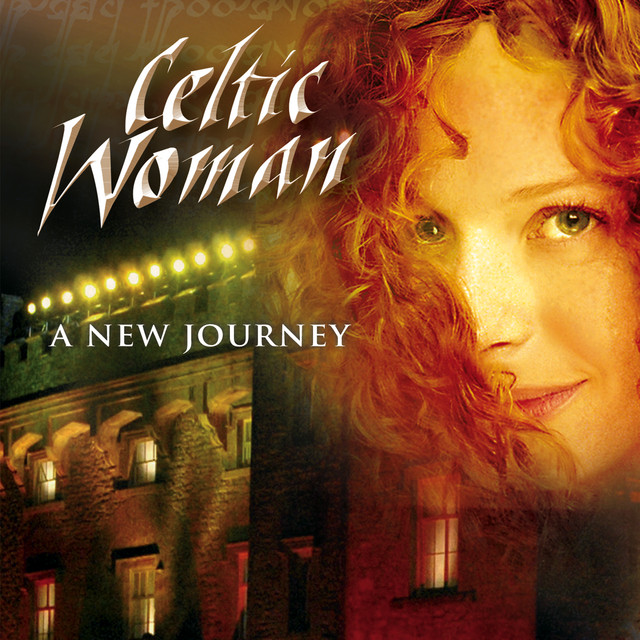
Celtic Woman recorded “Scarborough Fair” for A New Journey, released in 2007. The song itself is much older than the group, part of a traditional English ballad line that scholars connect to “The Elfin Knight” and to a long history of songs built around impossible tasks, sometimes called an adynaton (Wikipedia). That background matters, because the strange requests in the lyric are not random. They are the point.
A Love Song Built on the Impossible
At the center of the song, the speaker asks a messenger to visit someone who once was a true love
. That phrase frames the whole story. This is not a present-tense romance. It is a relationship already pushed into the past.
Then come the tasks: making a shirt with no normal way to sew it, or finding land in a place that does not quite make sense. In plain English, the song asks for things that cannot be done. Interpretation: that turns the lyric into a quiet way of saying, “What we had cannot be restored unless the impossible happens.”
This is why the ballad feels tender and cold at the same time. They are remembering love, but they are also measuring the distance between two people who no longer belong to each other.

Watch the official Scarborough Fair
music video
Why the Refrain Feels So Haunting
The repeated herbs—parsley, sage, rosemary, and thyme
—do more than decorate the melody. In folk tradition, listeners often connect herbs with healing, remembrance, fidelity, or ritual. Scholars also note that the refrain may have evolved over time from older wording rather than carrying one fixed symbolic code (Wikipedia).
That ambiguity helps the song. The refrain sounds ancient, almost like a charm repeated to hold onto memory. Even if a listener does not assign each herb a separate meaning, the list creates an atmosphere of preservation. It suggests someone trying to keep feelings alive through repetition.
Memory, Not Motion
Unlike many narrative ballads, this one barely moves. There is no reunion, no clear confrontation, and no final answer. The lyric circles the same emotional wound. The result is a song that feels suspended between wanting and letting go.
Are you going to Scarborough Fair?
Parsley, sage, rosemary, and thyme
Remember me to one who lives there
Those lines set up the whole emotional world: distance, remembrance, and a message sent instead of spoken face to face.
How Celtic Woman Changes the Song’s Emotional Weight
Celtic Woman’s arrangement matters to the meaning of Scarborough Fair Celtic Woman because they soften the ballad’s sharper edges. Their style, widely known for polished ensemble vocals and orchestral Celtic-pop textures, turns the song into something luminous rather than severe. A New Journey was released in January 2007, and their version sits naturally within that crossover sound world (Wikipedia).
Instead of emphasizing the old folk song’s challenge structure, they highlight longing. The tempo stays measured. The vocal blend sounds controlled and pure. The instrumental bed supports the voice rather than pulling attention away from it.
Interpretation: this production choice makes the song feel less like two lovers testing each other and more like a memory being carefully unfolded. Their delivery reduces bitterness and increases ache.
The Impossible Tasks as Emotional Symbols
The song asks for a cambric shirt
made under impossible conditions. It also asks for an acre of land
in an unreal place. These images work like emotional riddles.
A helpful way to read them is this:
- The shirt symbolizes repair that cannot actually happen.
- The land symbolizes stability that no longer exists.
- The repeated condition
true love of mine
suggests love is being tested against standards no human can meet.
Because this is a traditional ballad, there are many versions and stanza orders. Some older forms even include a reply from the other lover, making the exchange more balanced and more clearly mutual in its demands (Wikipedia). Celtic Woman’s selected lyric keeps the focus tighter, so the feeling of one-sided yearning becomes stronger.
A Folk Song That Keeps Renewing Itself
Part of this song’s power is how adaptable it has been. The ballad was published in a well-known form by Frank Kidson in 1891, and the melody familiar to many modern listeners was collected by Ewan MacColl from Mark Anderson in 1947. Later versions by Martin Carthy and Simon & Garfunkel helped carry it into popular culture (Wikipedia).
Celtic Woman enters that line not by reinventing the lyric, but by reframing its mood for a modern audience. They bring out the beauty of the ache. For U.S. listeners especially, that polished sound can make an old English ballad feel intimate and cinematic.
The Lasting Takeaway
So, what is the meaning of Scarborough Fair Celtic Woman? At its core, it is a song about love remembered through conditions that cannot be met. The impossible errands are a poetic way to express emotional distance. The refrain preserves the feeling like a pressed flower between pages.
Celtic Woman’s version deepens that meaning by making the ballad sound serene, almost sacred. They turn an old folk challenge into a meditation on loss, memory, and the beauty of what cannot return.
Disclaimer: This interpretation blends established ballad history with informed reading of the lyrics and performance. As with many traditional songs, meanings can remain open to listeners.








