Why “In The Room” Feels Like a Lifeline
The heart of the song
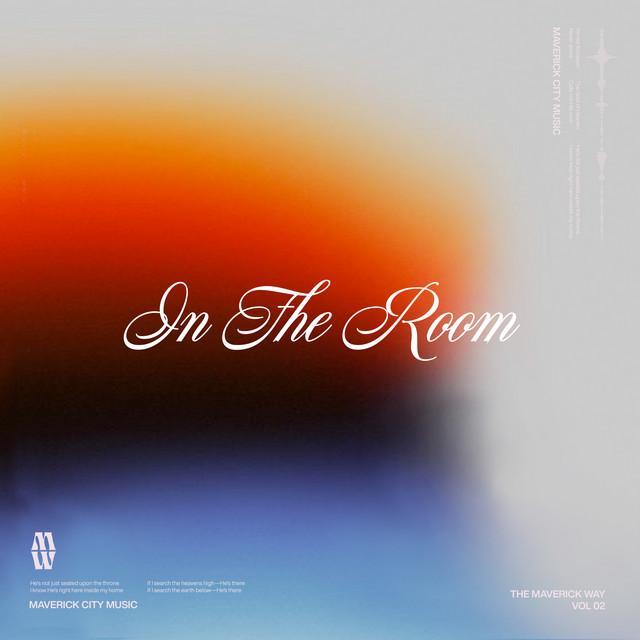
The meaning of In The Room Maverick City Music, Tasha Cobbs Leonard, Chandler Moore, Naomi Raine is simple and powerful: it is a worship song about God’s presence in places that feel empty, painful, or lonely. Rather than describing faith as a far-off promise, the song keeps bringing the listener back to one core truth: God is here now.
"In The Room" - Maverick City Music ft. Tasha Cobbs Leonard, Chandler Moore, Naomi Raine
The God of Heaven, calls me His own
He's not just seated upon the throne
Loading lyrics...
Unable to load lyrics
We're unable to display the lyrics at this time. Please try again later.
That message starts in intimate language. The opening lines speak about not being abandoned and about God being present at home, not only on a throne in heaven. In plain terms, the song argues that divine presence is both majestic and personal. When they sing never alone
and He lives inside
, they are not just offering comfort. They are building the song’s theology from the inside out.
From doctrine to testimony
A big reason the song lands so deeply is that it does not stay at the level of doctrine. It becomes testimony. The lyrics first present a belief, then support it with biblical examples, and finally ground it in lived experience through Tasha Cobbs Leonard’s spoken section.
That spoken passage matters. It describes a season of darkness, rejection, and isolation, then turns toward deliverance. In effect, the song says God is not only present in ancient stories; God is present in modern pain too. Interpretation: this is why the song feels less like a sermon and more like a rescue narrative.
The Bible stories are doing real work
The references to Daniel, the Hebrew boys, and Talitha are not random name-drops. They create a timeline of rescue. Daniel points to protection in danger. The Hebrew boys point to companionship inside suffering, not just escape from it. Talitha points to renewal where life seems gone.
The line about the fourth man in the fire
is especially important. It suggests that faith does not always remove the fire first. Instead, God enters it. That shifts the meaning of the chorus. When they repeat He’s in the room
, the room can be read as any space of crisis: a bedroom, hospital room, sanctuary, or inner emotional world.
If I search the Heavens high, He's there
If I search the Earth below, He's there
Those lines echo Psalm 139’s vision of a God who cannot be escaped because God is everywhere. The idea is not surveillance; it is reassurance. No matter how low a person feels, the song says presence remains.
How the structure mirrors worship
Musically, “In The Room” works like a live worship ascent. It begins with a personal confession, grows into communal declaration, and then stretches into extended repetition. That is common in Maverick City Music’s worship style, where songs often develop through spontaneous-feeling loops and testimony-driven crescendos.
The repetition is not lazy writing. It is the method. When a phrase like He’s in the room
comes back again and again, it starts to function like a prayer, then like a chant, then like a shared conviction. Interpretation: the song is trying to move the listener from hearing the truth to feeling it.
Why the production matters
The production supports that emotional rise. The arrangement leans on piano, sustained chords, layered vocals, and a steady build in intensity. None of that distracts from the central message. Instead, it creates space for the vocals to carry both vulnerability and authority.
Tasha Cobbs Leonard brings weight and testimony. Chandler Moore adds urgency and lift. Naomi Raine helps anchor the song’s meditative side. Together, they make the track feel communal rather than solo, which fits Maverick City Music’s larger identity as a collective known for collaborative worship music.
Because the song is built around live-feeling dynamics, its power comes from accumulation. The longer it goes, the more the music suggests that assurance is something a person sometimes has to rehearse until it sinks in.
The room as symbol
One of the song’s smartest choices is its title image. A room is ordinary. It is not grand like a mountain or a storm. It is personal, enclosed, and familiar. That makes the message more reachable.
A room can be:
- a place of prayer
- a place of depression
- a place of healing
- a place where someone feels forgotten
So when the song says God is present there, it brings the sacred into everyday life. The room becomes the place where private pain meets divine comfort.
The emotional center: rejection versus belonging
The spoken testimony introduces another key theme: belonging. The struggle described is not only sadness. It is the wound of feeling replaceable, unwanted, or unseen. That is why the earlier lyric about being called God’s own matters so much.
Interpretation: the song’s deepest conflict may not be fear, but rejection. Its answer is adoption, closeness, and presence. In that reading, the track is about identity as much as comfort.
Final takeaway
At its core, the meaning of In The Room Maverick City Music, Tasha Cobbs Leonard, Chandler Moore, Naomi Raine is that God is not absent in suffering. The song keeps insisting that presence remains in weakness, in memory, in scripture, and in the ordinary spaces where people break down and begin again.
That is why it resonates. It does not promise an easy life. It promises company, rescue, and nearness.
Disclaimer: This interpretation is based on the song’s lyrics, performance, and worship context. As with any song, listeners may connect with it in different ways.








