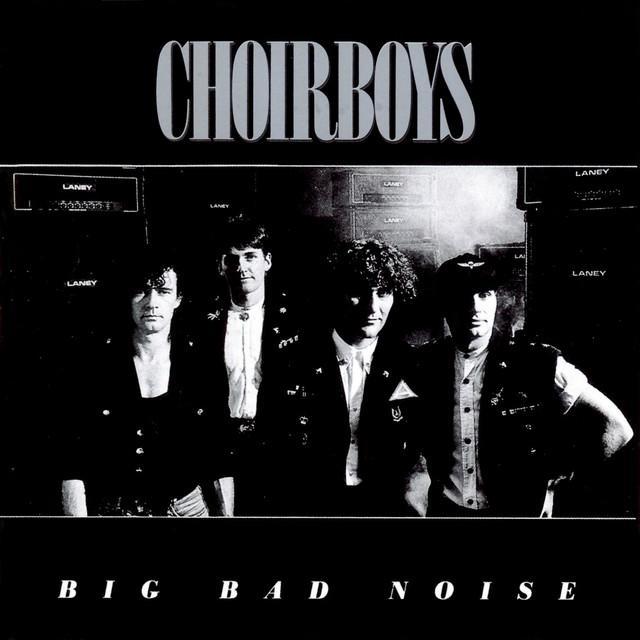
Run To Paradise by Choirboys
The meaning of Run To Paradise Choirboys is less glamorous than the title sounds. On the surface, the song feels huge and liberating. Underneath, it is about young people chasing escape so hard that they confuse self-destruction with freedom.
"Run to Paradise" - Choirboys
You only ever did it just for fun
But you run to paradise
Loading lyrics...
Unable to load lyrics
We're unable to display the lyrics at this time. Please try again later.
Released in 1987 on Big Bad Noise, the single became one of the Choirboys' signature songs, reaching No. 3 in Australia and later charting in the United States. Factually, it was written by Mark Gable and Brad Carr, and produced by Peter Blyton, Brian McGee, and the band. Those chart details matter because the song’s popularity helped turn a very local story of restless youth into a wider anthem. Even so, its core message stayed uneasy rather than triumphant.
The Big Idea Behind the Chorus
At the center of the song is a bitter twist: the so-called paradise is probably not paradise at all. The repeated hook, run to paradise
, sounds like a dream at first. But each verse makes that dream look hollow.
Different characters rush toward quick relief instead of real connection, purpose, or stability. One line points to chasing a high or an easy fix with you can score
. Another voice looks back at lost youth and asks why the good times slipped away. Together, those moments suggest that paradise is a fantasy label put on habits that slowly empty people out.
Interpretation: The chorus works like irony. They are not hearing a song about heaven. They are hearing a song about people naming their escape route "paradise" because the truth would hurt more.

Watch the official Run to Paradise
music video
Misspent Youth, Not a Simple Drug Song
This is the key context for understanding the meaning of Run To Paradise Choirboys. The song was often taken as being specifically about heroin because of its language around scoring and escape. But songwriter Mark Gable said it was broader than that, describing wasted youth on Sydney’s northern beaches in the 1970s: surfing instead of working, drinking, smoking dope, and drifting through weekends without direction.
That context changes the song in an important way. It is not narrowly about one substance. It is about a culture of avoidance.
The verses introduce a few figures—like Jenny, Johnny, and the singer’s mother—not as fully detailed characters, but as snapshots of a scene. One person can get by through thrills. Another was once a loyal friend. A mother watches and worries. These small scenes make the song feel social, not private. The damage spreads through families, friendships, and whole communities.
How the Verses Build a Story of Escape
The song moves quickly, but there is a rough emotional timeline:
- Youth begins with charm, fun, and the feeling of being untouchable.
- Escape becomes routine, whether through substances, parties, or drifting.
- Friends and family begin to see the cost.
- The speaker realizes the dream was false.
That is why lines like always best of friends
matter. They hint at old bonds that are now weakened by the pull of this fake paradise. The mother image deepens that loss. When the song mentions crying at the door, it shows the human price without spelling everything out.
Good times, why'd I let them slip away
'Cause I lived in paradise
This is the song’s clearest moment of regret. The speaker finally admits that the life once treated as freedom has actually stolen something valuable.
The Religious Language Adds Tension
Late in the song, religious language appears with walk in the light
. This could sound hopeful, but the surrounding lines keep things unstable. The voice seems to look for approval, forgiveness, or a way to hold their head up after abuse and chaos.
Interpretation: This does not necessarily mean the song turns into a Christian redemption story. Instead, it may show how people reach for any language that can make their choices seem survivable. Paradise, light, being alright—these are comforting words. The song questions whether those words are being used honestly.
That tension is one reason the track still feels alive. It never settles into a neat lesson. It shows the lure of escape while also exposing its cost.
Why the Sound Feels So Big and So Sad
Musically, "Run to Paradise" is built like a hard-rock anthem. Its driving guitars, punchy drums, and shout-ready chorus give it a widescreen, communal feel. That matters because the arrangement does something clever: it lets listeners feel the rush that the lyrics warn against.
The production is polished enough for radio but still has pub-rock grit. Mark Gable’s vocal delivery pushes hard, sounding both celebratory and strained. The band’s attack gives the chorus lift, while the verses carry more street-level detail and tension.
This contrast is crucial. If the song sounded small or purely mournful, its message would be simpler. Instead, the music lets paradise feel exciting for a moment. Then the words reveal what that excitement is hiding.
Why the Song Endures
Part of the song’s long life comes from that tension between anthem and warning. It reached No. 3 in Australia, later hit U.S. charts, and remained a recognizable Australian rock staple for decades. People can sing along to it as a big chorus record, but the song rewards a closer listen.
For American listeners, that balance may be the best way in. They do not need deep knowledge of Sydney in the 1970s to understand it. The story is familiar: youth mistakes escape for freedom, community sees the damage, and regret arrives late.
The lasting emotional point is simple. The song says that people often run toward the very thing that traps them. In that sense, the meaning of Run To Paradise Choirboys is about false freedom—how easy it is to romanticize drift, excess, and numbness until the cost becomes impossible to ignore.
Final Take on the Song's Meaning
The best reading of "Run to Paradise" is that it turns a giant rock hook into a warning about wasted youth. Its title promises bliss, but the verses describe loneliness, poor choices, and the stories people tell themselves to keep going.
That mix of energy and regret is why the song still hits. Interpretation disclaimer: song meanings can vary, and this reading combines the lyrics, the band’s public comments, and the way the music frames the words.