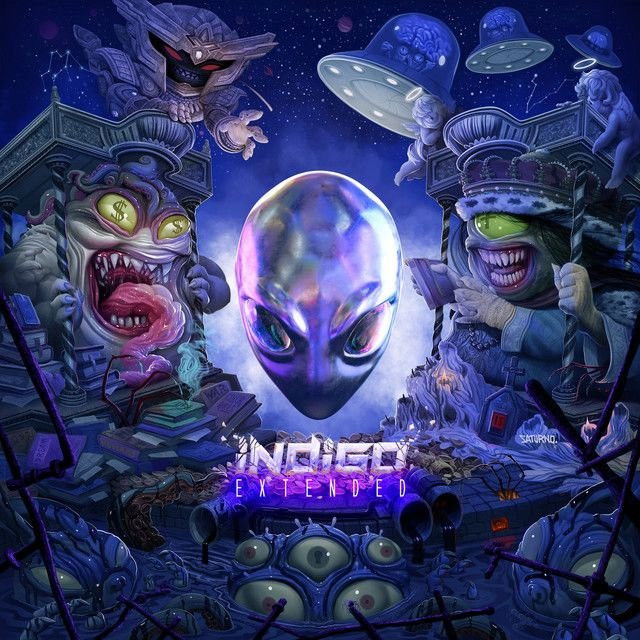
Outy When I Drive/Blamed by Chris Brown, Rich the Kid, Yella Beezy, Sage the Gemini
A Two-Part Flex With a Dark Edge
The meaning of Outy When I Drive/Blamed Chris Brown, Rich the Kid, Yella Beezy, Sage the Gemini comes down to a simple but uneasy mix: pleasure, status, and threat. Across both halves of the track, they present success as something visible and loud—cars, designer clothes, women, cash, and constant motion. But they also treat that success as fragile, something they must defend with intimidation.
"Outy When I Drive/Blamed" - Chris Brown ft. Rich the Kid, Yella Beezy, Sage the Gemini
Everything foreign, nigga
Ooh (ayy)
Loading lyrics...
Unable to load lyrics
We're unable to display the lyrics at this time. Please try again later.
This is not a reflective song in the usual sense. It is a performance of power. They brag, provoke, and dare anyone to challenge them. Even when the mood sounds celebratory, the lyrics keep returning to danger. That tension is what gives the track its identity.

Watch the official Outy When I Drive/Blamed
music video
What the First Half Is Really Saying
Speed, luxury, and social climbing
In “Outy When I Drive,” the central image is movement. The repeated idea of being outy when I drive
makes the car more than transportation. It becomes a symbol of freedom, visibility, and status. They are not just leaving; they are showing they can leave fast, in style, and on their own terms.
The verses build that same image. There is a lot of focus on “foreign” things, fashion labels, and sexual access. Those details are meant to prove they have gone from lack to abundance. When one line contrasts being broke with riding in a coupe, the point is not subtle: money changes how they are seen and how they see themselves.
Pleasure without attachment
The women in the song are usually treated as part of the lifestyle display, not as emotional partners. A phrase like she want be my boo
is quickly undercut by emotional distance. They show desire, but not intimacy. That coldness fits the song’s larger worldview, where connection matters less than control.
The Hook Turns Bragging Into a Mood
The refrain uses simple language, but it does important work. The chant around being high and driving makes the whole section feel suspended between thrill and numbness. Their repeated flatline
image suggests intensity pushed so far it becomes empty.
High-y, high-y, high
I'ma fly, I'ma flatline
Interpretation: this hook can be heard two ways. On one level, it is pure party talk—getting lifted, riding out, feeling untouchable. On another, it sounds strangely hollow, as if the chase for more excitement has started to blur into emotional deadness. That double meaning gives the song a little more depth than its surface flexing first suggests.
“Blamed” Pushes the Same Persona Further
Refusing guilt, claiming power
The second half, “Blamed,” takes the same ego and turns it more confrontational. The title matters. To be blamed is to be accused, but the song flips that into defiance. They are basically saying that if chaos follows them, they will not apologize for it.
That attitude comes through in phrases like put the blame on me
, which is less confession than challenge. They are not accepting responsibility in a moral sense. They are daring others to try to hold them accountable.
Aggression as identity
This section leans harder into threats. The song repeatedly frames violence as a normal response to disrespect. That does not mean the lyrics are autobiographical fact; in rap, this kind of language often works as persona, exaggeration, and dominance display. Still, the effect is clear: they want to sound untouchable.
There is also a brief glimpse of paranoia beneath the swagger. Mentions of people changing when success fades and lines about legal trouble suggest a world built on mistrust. Under the flexing, there is fear of betrayal, exposure, or losing status.
How the Artists Fit the Message
Chris Brown has often balanced slick melody with club-ready aggression, while Rich the Kid, Yella Beezy, and Sage the Gemini each bring a different trap or West Coast energy to collaborations and solo work, as reflected in their official catalogs and profiles on Spotify, Rich the Kid, Yella Beezy, and Sage the Gemini.
Here, those styles meet around a shared idea: visibility equals value. Each artist adds another version of masculine bravado. No one really breaks the pose. That consistency helps the track feel unified, even though it moves through multiple voices.
Why the Production Matters So Much
The beat is crucial to the meaning. The production, tagged at the start by CashMoneyAP, uses booming 808s, sharp trap drums, and a glossy, spacious mix. That sound turns the lyrics into motion. It feels like speeding at night with the windows down and danger nearby.
One line even points to the beat directly with 808s gon' make your body shake
. That is not just a boast; it explains the song’s design. The low end is supposed to hit physically. The music makes the swagger feel bodily, not abstract.
The Deeper Theme Beneath the Surface
At heart, this is a song about performance. They perform wealth, desire, toughness, and emotional detachment. The repeated references to driving, chains, cash, and women are less about story than image management.
Interpretation: the song may also be heard as a snapshot of success that never feels secure. Why so many threats in a victory lap? Why so much emphasis on being seen? Those choices suggest that power here must be constantly announced to feel real.
Final Take
The meaning of Outy When I Drive/Blamed Chris Brown, Rich the Kid, Yella Beezy, Sage the Gemini is not hidden. It is about flexing, escaping, and refusing weakness. What makes it interesting is the way celebration and menace keep feeding each other.
They sound triumphant, but never calm. That is the song’s real tension—and probably its point.
Disclaimer: This interpretation is based on the lyrics, performance style, and production choices. As with most songs, meaning can vary from listener to listener.









