Why Chris Cornell’s ‘Broken Heart’ Still Hits
Chris Cornell’s “Nearly Forgot My Broken Heart” sounds catchy on first listen, but its core is heavy. The song is about a person who is pulled out of despair by someone new, only to realize the old wound is not gone at all. That push and pull is the key to the meaning of Nearly Forgot My Broken Heart Chris Cornell: recovery can feel real, but pain can return fast when trust breaks again.
"Nearly Forgot My Broken Heart" - Chris Cornell
Trying to find a reason to go on
All I ever get is burned and blind
Loading lyrics...
Unable to load lyrics
We're unable to display the lyrics at this time. Please try again later.
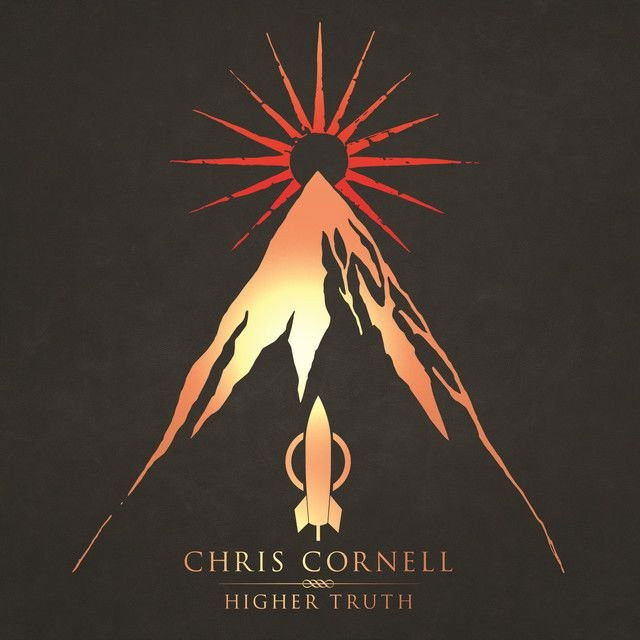
Released in 2015 as the lead single from Higher Truth, the track was written by Cornell and produced by Brendan O’Brien and Cornell. It also became a strong late-career hit, reaching No. 1 on Canada Rock and the top 10 on U.S. Rock & Alternative Airplay, according to Wikipedia’s song entry. Those facts matter because they show how widely this song connected. It is personal, but not private in a way that shuts listeners out.
The Song’s Heart: Relief That Doesn’t Last
At its center, the song describes a brief escape from emotional ruin. Cornell explained in a 2015 Yahoo interview that the idea came from the title itself: someone becomes so distracted by a new person or new thing that they almost forget they had once given up on life. That comment gives the clearest factual frame for the song.
The verses show that emotional state in images of danger and damage. The singer reaches for hope, but the effort hurts. Looking for answers leads to being burned or blinded. Then a new person arrives and seems perfectly timed, almost like rescue.
But the song refuses a happy ending. The phrase nearly forgot my broken heart
is important because it is not a full cure. It means the pain was covered over, not healed. The title already contains the setback.

Watch the official Nearly Forgot My Broken Heart
music video
A Story of Repeating Mistakes
One reason the song lands so hard is that it tells a full emotional cycle in a few sharp lines. The narrator meets someone who feels magnetic and full of promise. That attraction is captured in apple red and ripe
, which gives the relationship a tempting, almost biblical flavor.
Then comes betrayal. The line took a bite
turns that tempting image into a wound. Desire and damage happen almost at the same moment. In simple terms, the person who seemed to offer relief also causes fresh pain.
That is why the repeated ending thought, here we go round again
, matters so much. The singer is not just sad about one breakup. They are trapped in a pattern. Love leads to hope, hope leads to exposure, and exposure leads to hurt.
A Compact Emotional Timeline
- They start in despair and search for a reason to keep going.
- A new person interrupts that darkness.
- The relationship quickly becomes harmful.
- The old heartbreak returns, now mixed with new damage.
- They recognize the cycle and fear it will repeat.
Images of Sun, Rain, Blood, and Keys
Cornell fills the song with concrete images that make the feelings easy to picture. The sun stands for truth, meaning, or salvation, but trying to stare at it only causes pain. In other words, the search for clarity becomes overwhelming.
Rain works differently. It suggests release, but not clean relief. The sky seems wounded before it opens. Even nature feels bruised.
The song also uses images of doors, keys, secrets, cuts, and blood. These details connect intimacy with danger. A key can open someone up, but secrets carry lies. Words from a lover’s mouth are not comforting; they leave injuries.
Every little key unlocks the door
Every little secret has a lie
That brief pair sums up the song’s logic. Closeness gives access, but access also brings risk. Interpretation: Cornell may be suggesting that vulnerability is never neutral. To let someone in is to invite both healing and harm.
How the Chorus Changes the Meaning
The chorus is memorable because it sounds open and almost freeing, yet the words are uneasy. The phrase taking me miles away
sounds like movement and progress. But progress here may be emotional distance, not real recovery.
That tension is the song’s best trick. It feels like an anthem, but it is really about instability. They are not celebrating survival so much as noticing how fragile it is.
Interpretation: The chorus can be heard two ways at once:
- it is the relief of being briefly lifted out of pain
- it is the warning that distraction is not the same as healing
Both readings fit Cornell’s own explanation of the song.
Why the Sound Matters So Much
A big part of the meaning comes from the arrangement. The track is often described as mandolin-driven, which gives it a bright, rootsy texture. That brightness creates a sharp contrast with the lyric content. The music moves with energy, while the words describe damage, relapse, and emotional exhaustion.
That contrast is very Cornell. On Higher Truth, he leaned into acoustic colors but kept the melancholy. Songfacts quoted him telling Rolling Stone that he was often driven to write from melancholy, especially in acoustic songs. That helps explain why this track feels tuneful without feeling light.
Cornell’s voice also carries the meaning. They hear strain, control, and then lift in the chorus. He does not sing the pain as self-pity. He sings it as hard-earned knowledge. The result is a song that feels lived in rather than theatrical.
Context, Video, and Reception
The official video used an Old West hanging narrative directed by Jessie Hill. It became difficult to discuss after Cornell’s death, and the video was later removed from YouTube. That later context can shape how people hear the song now, but it is important not to force that history back into the lyric as original intent.
Factually, the song was introduced in 2015 as a comeback-style solo single and performed strongly on rock radio. That reception makes sense. It balances accessibility with the emotional depth longtime Cornell listeners expected.
The Lasting Meaning
The meaning of Nearly Forgot My Broken Heart Chris Cornell is not just heartbreak. It is the false calm that comes before heartbreak returns. The song understands how people can mistake distraction for healing, and chemistry for safety.
Its power comes from that honesty. It admits that even when life seems to open again, old pain may still be waiting underneath.
Disclaimer: This article offers a lyric interpretation based on the song, artist comments, and recorded context. Interpretation is not the same as a confirmed single meaning.








