Why 'Don't Pay the Ferryman' Feels Like a Warning
The core idea behind the river crossing
The meaning of Don't Pay the Ferryman Chris de Burgh starts with a simple but eerie rule: never settle too early when the journey is not over. On the surface, the song tells a suspense story about a man traveling at night, reaching a river, and meeting a threatening boatman. But the deeper point is about fear, temptation, and the danger of giving in before safety is real.
"Don't Pay the Ferryman" - Chris de Burgh
Speeding like a man on the run
A lifetime spent preparing for the journey
Loading lyrics...
Unable to load lyrics
We're unable to display the lyrics at this time. Please try again later.
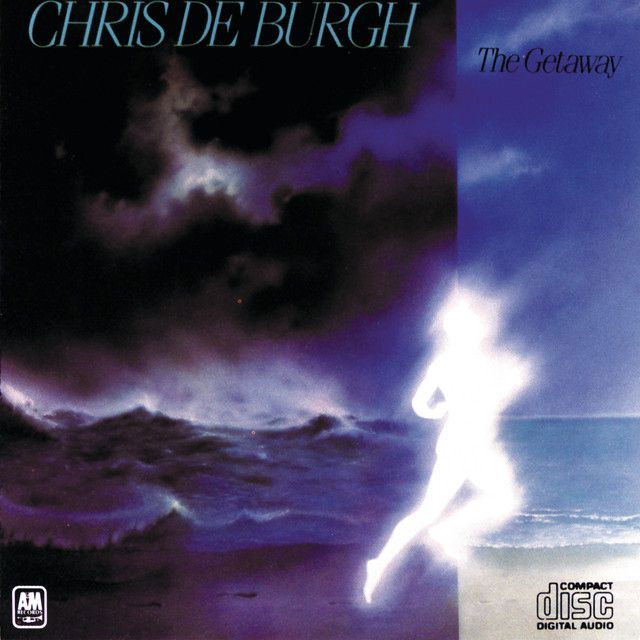
Chris de Burgh released the song in September 1982 as the lead single from The Getaway. It was written by de Burgh and produced by Rupert Hine and de Burgh. It later became one of his best-known radio songs, with U.S. success and a long afterlife on classic-rock and adult contemporary playlists. According to the research summary from Wikipedia, AllMusic's Sharon Mawer called it a standard art rock classic
.

Watch the official Don't Pay the Ferryman
music video
A story song with old myth underneath
The song works because it is both a mini-thriller and a myth. The traveler is rushing through darkness, guided by memory and instinct, until they reach the river. Once on the boat, danger grows fast: storm sounds, strange voices, and a ferryman who wants payment before the crossing is complete.
That setup strongly echoes the Greek myth of Charon, the ferryman of the dead, who carries souls across the River Styx. That myth does not prove one single meaning, but it gives the song its haunted weight. The ferryman is not just a worker collecting a fee. He feels like a gatekeeper between life and death, or between ignorance and knowledge.
Interpretation: In that reading, the traveler is not taking a normal trip. They may be moving toward a point of no return. The repeated warning, Don't pay the ferryman
, becomes a command to resist surrender.
How the verses build suspense step by step
The verses move like scenes in a short film. First comes speed and urgency on the road. Then nature turns hostile with rain, thunder, and a dog howling in the distance. Next comes the river crossing, where the traveler enters a place that feels half-real and half-nightmare.
A few details matter a lot. The map is in the mind, suggesting fate, memory, or obsession rather than normal travel. The hooded figure at the rudder feels almost medieval. And the chorus arrives not as advice from a friend, but as a desperate rule for survival.
Don't pay the ferryman
Don't even fix a price
Until he gets you
to the other side
Even in paraphrase, the point is clear: the traveler must not bargain with danger while still trapped inside it.
What the chorus means beyond the plot
The chorus is why the song lasts in memory. In the literal story, it means the passenger should not hand over money before reaching shore. But songs this theatrical usually aim wider than plot.
Interpretation: The chorus can describe any moment where someone is pressured to commit too soon. That could mean trusting the wrong person, accepting bad terms, giving up emotionally, or acting out of panic. The ferryman demands a price before the promise is fulfilled. The warning says: wait until the truth is proven.
That is why the hook feels useful even outside the song's fantasy setting. It turns an old river-crossing image into advice about power and control.
Sound, production, and why the song feels cinematic
The production helps sell the meaning. This is not a soft folk tale. It is tense, dramatic art rock, with sharp rhythm, stormy keyboards, and a vocal performance that pushes the story forward like a chase scene. The arrangement keeps tightening, so the listener feels the crossing rather than just hearing about it.
Rupert Hine's production style often favored atmosphere and precision, and that fits here. The song is built on momentum: pulsing drums, dark synthesizer color, and a chorus that lands like a siren. De Burgh sings with urgency rather than distance, which keeps the song from feeling like a museum piece.
The album version also included a spoken section from Shakespeare's The Tempest, delivered by Anthony Head, while the single version left it out and ran shorter. That detail matters because it shows how consciously literary the track was. It was designed as a dramatic experience, not just a catchy single.
Why American listeners still connect with it
In the U.S., the song reached No. 34 on the Billboard Hot 100, according to the research summary, and its appeal is easy to understand. It mixes pop structure with a gothic mood, so it feels both accessible and mysterious. Listeners do not need to know Greek myth or Shakespeare to feel the danger.
They just need to hear the conflict: a voice says keep going, while another force says pay now. That emotional split is universal. People know what it is like to feel rushed into a choice that does not feel safe.
The best way to read the ending
The song never fully explains who speaks the warning or whether the traveler escapes. That ambiguity is one of its strengths. It leaves the listener inside the storm.
Interpretation: One reading is practical: survive first, settle later. Another is spiritual: do not hand over the self before reaching understanding. A darker reading says the ferryman represents death itself, and the warning is a last act of resistance.
Whatever reading a listener prefers, the meaning of Don't Pay the Ferryman Chris de Burgh stays consistent. It is about refusing a false bargain while fear is at its highest.
Final takeaway
What makes the song memorable is not just its hook, but its moral tension. It turns a river crossing into a lesson about pressure, trust, and survival. De Burgh wraps that lesson in thunder, myth, and suspense, which is why the song still feels vivid decades later.
Disclaimer: This article offers interpretation based on the lyrics, recording context, and known references. Song meaning can remain open, and different listeners may hear it differently.