Why Chuck Berry's Joyride Still Feels So Human
The meaning of No Particular Place to Go Chuck Berry comes down to a simple idea: a carefree date turns into a comic lesson about how small real-world details can interrupt big romantic hopes. Chuck Berry takes a familiar teenage scene—a car ride, music, flirting, and a moonlit stop—and turns it into a story that is both playful and sharply observed.
"No Particular Place To Go" - Chuck Berry
My baby beside me at the wheel
I stole a kiss at the turn of a mile
Loading lyrics...
Unable to load lyrics
We're unable to display the lyrics at this time. Please try again later.
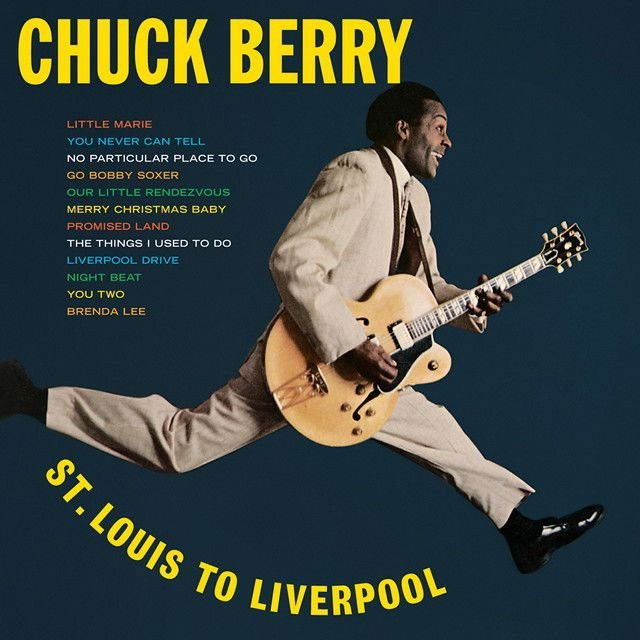
Released as a Chess Records single in May 1964 and later included on St. Louis to Liverpool, the song became another major Berry hit, reaching the Top 10 in the U.S. and U.K., according to chart details collected by Wikipedia. Those facts matter because they show how strongly this story connected with listeners. It felt specific, but it also felt universal.
A Date Song With a Joke at the Center
On the surface, the plot is easy to follow. A young couple drives around in an automobile, enjoying the radio and each other. The narrator tries to get closer, and the mood grows more intimate. Then, just as the evening seems to be moving toward romance, a stuck seat belt gets in the way.
That twist is the heart of the song. Berry sets up a classic rock-and-roll image of freedom—night driving with nowhere important to be—only to puncture it with an everyday problem. The result is not heartbreak. It is embarrassment and irritation, told with a grin.
Berry hints at that freedom early with phrases like my automobile
and no particular place to go
. These are not just travel details. They frame the car as a private world, a moving space where young people can imagine escape, privacy, and possibility.

Watch the official No Particular Place To Go
music video
How the Story Builds Its Humor
What makes the lyric so effective is its timing. Berry does not rush to the joke. They let the listener settle into the scene first: driving, kissing, talking softly, and moving slowly through the night. That makes the final problem funnier because it arrives after the song has carefully created romantic momentum.
The comic peak comes when the couple parks and the narrator realizes couldn't unfasten her safety belt
. It is an ordinary problem, but in the song it becomes a perfect comic villain. By the last verse, the narrator is still irritated, holding a grudge against the belt more than against the date itself.
The night was young
and the moon was gold
That brief image matters because Berry paints the most ideal version of young romance right before spoiling it. The moonlit setting sounds like a movie scene. The seat belt pulls it back to real life.
What the Chorus Really Means
The repeated hook no particular place to go
does more than describe aimless driving. It suggests a stage of life. The couple is not thinking about jobs, schedules, or long-term plans. They are living in the moment.
Interpretation: that is why the song still lands decades later. Its destination is emotional, not geographic. They are chasing closeness, excitement, and a little privacy. The phrase captures the freedom of being young enough to enjoy motion for its own sake.
At the same time, the title carries irony. The pair may have no official destination, but they clearly have hopes for where the night might lead. Berry lets the gap between stated aimlessness and private intention become part of the joke.
Berry's Writing Turns Everyday Life Into Myth
Chuck Berry was one of rock and roll's great storytellers, and this song shows why. As the Rock & Roll Hall of Fame has long recognized, Berry helped define the genre's language by writing about cars, school, youth, and desire in vivid, economical scenes. Here, he takes a tiny inconvenience and makes it memorable.
A key fact from the song's history also deepens its meaning: the music uses the same backing as Berry's earlier hit School Days, as noted in the song's documented release history on Wikipedia. That choice creates an interesting echo. School Days is about youth culture and release; this song revisits that energy, but with a more mature, slyly comic situation.
How the Sound Carries the Meaning
The recording was cut in Chicago on March 25, 1964, with producers Leonard Chess and Phil Chess and backing musicians including Paul Williams on piano, Odie Payne on drums, and Louis Satterfield on bass, according to the documented session details at Wikipedia. The performance feels loose and confident, which is crucial to the song's tone.
The beat rolls forward like a moving car. The piano and rhythm section keep everything buoyant. Berry's vocal delivery is especially important: they do not oversell the joke. They tell it plainly, which makes it funnier.
That classic rock arrangement also keeps the song from sounding mean or frustrated. Even when the narrator holds a grudge, the music says this is a story to laugh at, not cry over.
A Small Song About Big Youthful Feelings
The lasting appeal of the meaning of No Particular Place to Go Chuck Berry lies in how much it says with so little. It is about freedom, desire, timing, and the way reality interrupts fantasy. It is also about the humor of being young enough to believe the night can become anything.
Interpretation: some listeners may hear the song as a light joke about teenage romance. Others may hear a deeper point about modern life: even in moments that feel spontaneous, rules, objects, and limits shape what people can do. Both readings fit the lyric.
What seems like a novelty song lasts because it is built on truth. Everyone knows the feeling of a perfect moment being stopped by something small and absurd.
Disclaimer: This interpretation is based on the lyrics, recording context, and documented release history. Meaning in songs can remain open, and different listeners may reasonably hear it in different ways.









