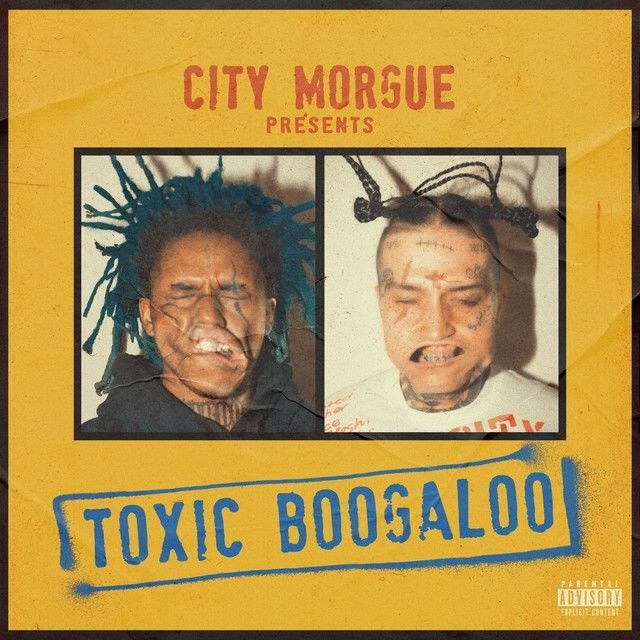
Why 'HURTWORLD '99' Feels Like Pure Threat
The meaning of HURTWORLD '99 City Morgue, ZillaKami, SosMula starts with one simple idea: this song is built to intimidate. It is not subtle, emotional, or reflective. Instead, it turns pain, danger, and retaliation into a chant that hits like a warning siren.
"HURTWORLD '99" - City Morgue, ZillaKami, SosMula
(Yung Germ)
Talk shit, get hit
Loading lyrics...
Unable to load lyrics
We're unable to display the lyrics at this time. Please try again later.
City Morgue built their reputation on mixing trap, punk, and horrorcore energy, with ZillaKami and SosMula often sounding like they are daring the listener to flinch. In that context, “HURTWORLD ’99” works less like a story and more like a hostile atmosphere. Every line pushes the same message: disrespect has consequences.
The Core Meaning Hides in Plain Sight
At its center, the song is about power through fear. The hook, with the repeated Talk shit, get hit
, reduces conflict to a brutal equation. Someone crosses a line, and the response is immediate. There is no debate, only punishment.
That bluntness matters. The song does not spend time explaining motives or backstory. It presents violence as instinctive and automatic. Interpretation: that makes the track feel like a statement about identity. They are not just threatening enemies; they are performing a version of themselves that survives through force, reputation, and spectacle.
Watch the official HURTWORLD '99
music video
How the Verses Build the Song’s World
ZillaKami’s verse is full of close-range aggression. He talks like someone ready for a brawl, not just a verbal argument. Short threats and combat references make the danger feel physical and immediate.
Phrases like I do not like you
and stay on your toes
strip away any mystery. The speaker is direct, personal, and confrontational. There is no cool distance here. He sounds like he wants the target to feel cornered.
Then he sharpens that mood with fight imagery. When he mentions a guillotine
, knees, elbows, and kicks, the song shifts from generic menace into something more specific. This is not only gun-rap posturing. It also borrows from martial arts language, making the violence sound technical, practiced, and almost sport-like.
SosMula Changes the Threat Style
Where ZillaKami sounds like a fighter in motion, SosMula enters with bigger, flashier chaos. His verse adds weapons, luxury, and destruction in the same breath. He moves from street intimidation to cartoonish excess.
Lines like Press a button on the 'Rari
make status part of the threat. The flex is not separate from the violence; it strengthens it. Wealth, weapons, and recklessness all become proof that he lives outside normal rules.
Interpretation: this contrast is a big part of the song’s appeal. ZillaKami brings raw bodily danger. SosMula brings explosive, unhinged escalation. Together, they create a world where every form of power—physical, material, and social—gets turned into intimidation.
Why the Hook Matters So Much
The chorus is simple, but that is why it works. Repeating H-U-R-T
turns pain into a brand name, almost like a slogan stamped across the whole track. Instead of describing harm in detail, they spell it out like something unavoidable.
Talk shit, get hit
One just to bury ya
Even in this short moment, the song shows its whole method: direct provocation, then exaggerated punishment. The repetition makes the track feel ritualistic, as if the outcome has already been decided.
Images That Keep Returning
Several motifs hold the song together:
- Attack dogs: Dobermans, pits, and Rottweilers suggest trained aggression.
- Combat language: kicks, elbows, and clinches make violence feel hands-on.
- Weapons: guns raise the stakes from fighting to total destruction.
- Luxury objects: the Ferrari reference turns wealth into another weapon.
These images matter because they all point to controlled menace. Even when the lyrics sound wild, they are carefully chosen symbols of force, speed, and domination.
How the Production Carries the Meaning
The beat tag points to WNDWS and Yung Germ, and the production matches City Morgue’s usual aesthetic: hard drums, abrasive energy, and a sense of constant pressure. The instrumental leaves enough open space for the ad-libs and shouted phrases to land like blows.
That matters for the meaning of HURTWORLD '99 City Morgue, ZillaKami, SosMula because the sound does not soften the lyrics. It amplifies them. The chant-like hook, the clipped flows, and the violent ad-libs make the song feel less like a conversation and more like an assault.
Their vocal delivery is key too. They do not rap these lines as cool observers. They bark, sneer, and explode through them. That performance style makes the threats feel theatrical, but also believable within the song’s world.
Artist Context Helps Explain the Extremes
City Morgue have long blended rap with punk and metal aggression, a style covered by outlets like The Fader and Revolver. That background helps explain why “HURTWORLD ’99” is so extreme. It follows a tradition where shock, chaos, and rebellion are part of the art form, not side effects.
So while the lyrics are full of violent imagery, the song also works as performance art within that lane. It is designed to feel dangerous, ugly, and overwhelming. That is part of the brand, and part of the thrill for listeners who come to City Morgue for exactly that experience.
Final Take: A Song About Reputation as Violence
The best way to read the track is as a song about making fear into identity. It is less interested in a real conflict than in creating a character who cannot be challenged without consequences.
Interpretation: “HURTWORLD ’99” turns aggression into mythology. Every bar adds to a world where respect is enforced, weakness is hunted, and pain is the main language anyone understands.
That is why the song hits so hard. It is not asking to be liked. It is demanding to be feared.
Disclaimer: This interpretation is based on the lyrics, performance, and artist context, and other listeners may hear the song differently.








