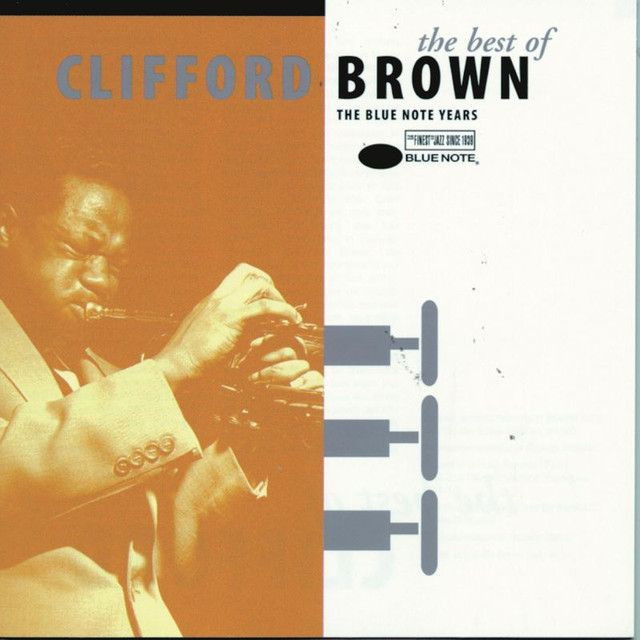
Get Happy by Clifford Brown
The meaning of Get Happy Clifford Brown starts with a simple idea: joy is being offered as a choice, but not a shallow one. This song does not just tell people to smile and ignore life. Instead, it frames happiness as a spiritual act, a move away from fear and toward hope.
"Get Happy" - Clifford Brown
Ya better chase all your cares away
Sing Hallelujah, come on get happy
Loading lyrics...
Unable to load lyrics
We're unable to display the lyrics at this time. Please try again later.
Brown did not write the song. It was written by Harold Arlen and Ted Koehler for the 1930 musical The Nine-Fifteen Revue, and it later became a standard recorded by many artists. In Brown’s hands, though, the tune becomes more than a show song. Through fast swing, clean trumpet lines, and a buoyant ensemble feel, they turn a stage number into a declaration of belief and lift. For basic song history, the tune is widely documented in the Jazz Standards tradition, while Brown’s stature in hard bop is outlined by the Encyclopaedia Britannica.
A Cheerful Song With Serious Stakes
On the surface, the lyric is direct. It tells listeners to leave behind worry, as heard in the phrase forget your troubles
. But the song quickly shows that this is not ordinary self-help language. It connects joy with religion, salvation, and judgment.
That matters because the lyric keeps two ideas together at once: relief in the present and hope for what comes after death. When the song says get ready for the judgment day
, it gives the cheerful hook a deeper edge. Happiness here is not random pleasure. It is tied to faith, moral readiness, and trust in something larger.

Watch the official Get Happy
music video
The Spiritual Path Inside the Words
The song’s religious imagery is easy to hear. It refers to praise, divine guidance, and a final destination. Phrases like Sing Hallelujah
and Promised Land
place the song in a gospel-shaped emotional world, even though it came from popular theater.
Crossing Over Means More Than Travel
The most important image is movement from one place to another. The lyric talks about going 'cross the river
, washing away sin, and reaching peace on the far side. In American song tradition, a river often symbolizes the boundary between earthly struggle and spiritual rest.
It's all so peaceful
On the other side
That short moment changes the whole song. The message is not just “be positive.” It is “there is peace beyond pain.” The bright tone softens the subject, but the lyric is clearly thinking about redemption, death, and what lies beyond judgment.
How Clifford Brown Changes the Meaning
Brown’s version is especially powerful because he was an instrumental jazz artist first. Even when a jazz standard has words, many listeners know it through phrasing, tempo, and improvisation. That means the meaning of Get Happy Clifford Brown is not only in the lyric sheet. It is also in how the band plays the tune.
Brown’s trumpet sound is famously warm, brilliant, and controlled. On a song like this, that matters. They do not make the message sound stern or fearful. Instead, the horn lines feel open and rising, almost like a musical answer to the lyric’s call to move upward and outward.
The rhythm section also helps shape the meaning. A quick pulse makes the song feel active rather than reflective. Instead of sitting with sorrow, the arrangement seems to outrun it. That energy gives the old message fresh force: joy is not passive; it is something people step into.
Why the Contrast Works
One reason the song lasts is its tension between content and mood. The words mention sin, judgment, and crossing into the next life. Those are heavy subjects. Yet the music sounds bright, quick, and welcoming.
That contrast is the point. The song suggests that faith can face serious truths without losing joy. Rather than denying hardship, it answers hardship with confidence. In that sense, the tune works almost like a sermon wrapped in entertainment.
Interpretation: Hope as Defiance
One strong reading is that the song treats happiness as a form of resistance. They are not pretending trouble does not exist. The opening command only works because trouble is real. The lyric names care, sin, and judgment, then insists those forces do not get the last word.
Interpretation: A Public Song, A Private Comfort
Another reading is more personal. The repeated commands may sound collective, but listeners can hear them as intimate encouragement. The song becomes a private talk with the self: keep going, trust the path, and believe peace is possible.
Artist Context and Jazz Tradition
Brown recorded during the 1950s, when bebop had already changed jazz language and hard bop was bringing more blues, gospel, and drive into the music. That setting makes “Get Happy” a smart fit. The song already contains spiritual uplift, and Brown’s style adds precision and fire.
They were admired for technical excellence, but also for lyricism. That blend is key here. A lesser performance might make the tune sound merely jaunty. Brown gives it elegance and momentum, so the optimism feels earned rather than cute.
The Lasting Meaning of Get Happy Clifford Brown
In the end, the meaning of Get Happy Clifford Brown lies in its union of joy and belief. The song says people can face guilt, fear, and mortality without surrendering to them. Its message is simple enough to sing, but deep enough to hold grief and hope at the same time.
That is why the song still works. It offers brightness, but not emptiness. It promises peace, but only after struggle is acknowledged. Brown’s performance makes that promise feel alive, turning an old standard into a vivid statement of movement toward grace.
Disclaimer: This interpretation is based on the lyrics, jazz history, and Clifford Brown’s performance context. As with any song, listeners may hear meanings that differ from this reading.








