Soy El Ratón by Código FN
A corrido can turn headlines into myth. Soy El Ratón, performed by Código FN and written by Jose Ernesto León Cuén, does exactly that—casting a notorious figure as its narrator and shaping a story about power, family, and survival. For listeners in the U.S. curious about the meaning of Soy El Ratón Código FN, this guide breaks down what the song says and how it says it.
"Soy El Ratón" - Código FN
Su padre de niño
Le apodó el Ratón
Loading lyrics...
Unable to load lyrics
We're unable to display the lyrics at this time. Please try again later.
Identity Stated Like a Brand
The song opens with a direct claim of identity. The narrator insists, in short bursts, that he is Soy El Ratón
and also hijo del Chapo
. Taken together, those phrases fuse a nickname with lineage.
Interpretation: He is selling a persona that draws strength from family ties and public reputation. In corridos, repeating a nickname works like a logo. It marks territory and invites recognition.
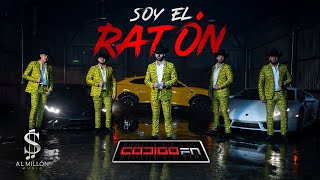
Watch the official Soy El Ratón
music video
A First-Person Voice Aiming to Justify
Everything here is first-person. The “I” controls the frame—choosing what to admit and what to set aside. One key detail is the nod to the 2019 Culiacán clashes, referenced as por lo del Culiacanazo
. Before and after that reference, the narrator positions himself as calm and calculating.
Interpretation: He is not confessing. He’s curating. By setting terms—especially around that public crisis—he argues for his own rationality and for the loyalty of his circle.
What Actually Happens in the Lyrics
- Early lines sketch roots in Jesús María and early leadership. Place names ground the myth in real Sinaloa geography.
- He salutes allies and a compadre, promising “backing and support.” That bond is part of his safety net.
- He addresses the 2019 events, apologizing “for the Culiacanazo,” then explains he did not fight because
la vida de mis hijas
came first. The claim reframes retreat as moral duty. - He praises his mother as a teacher and remembers a fallen friend, humanizing a figure often depicted only as a headline.
- Cars and leisure surface as status symbols, but the tone stays alert. The cat-and-mouse metaphor returns, underscoring escape and pursuit.
The Hook as Calling Card
The refrain functions like a stamped seal of authority. It’s brief, blunt, and memorable:
Soy El Ratón
Soy Ovidio, hijo del Chapo
Interpretation: The hook ties personal nickname to family power every time it lands. It also resets the stakes—reminding listeners that the speaker is both an individual and part of a dynasty.
Symbols and Motifs That Drive the Story
- Mouse vs. cat: The closing boast that the mouse slipped the cat again makes the chase the song’s engine. Interpretation: Outsmarting power, not overpowering it, is the core boast.
- Family first: References to daughters and to his mother shift the image from pure bravado to responsibility.
- Loyalty roll call: Shout-outs to friends, brothers, and crews sketch a network. Interpretation: In this world, reputation is social capital.
- Cars: Collections and cruising scenes symbolize wealth, mobility, and the freedom to disappear.
- Command and continuity: The closing line that
la Chapiza sigue al mando
implies that structures persist regardless of any one person’s legal status.
How the Sound Carries the Message
Código FN leans into a modern Sinaloa corrido toolkit: tuba outlining bass lines, accordion motifs answering vocal phrases, snare-and-cymbal patterns that keep a marching gait, and bright guitars interlocking for propulsion. The tempo is brisk but steady, supporting a talk-sung delivery that sounds like a confident briefing.
Interpretation: The arrangement makes the narrator feel unflustered. There are no dramatic key changes or breakdowns; the groove stays level, as if to say that pressure is ordinary.
Where It Sits in Corrido Tradition
Corridos have long chronicled real people, blurring reportage and legend. In recent years, regional Mexican styles have surged in U.S. visibility, with corridos and their variants becoming mainstream talking points. Within that context, the meaning of Soy El Ratón Código FN lands as part character study, part cultural document.
Interpretation: It’s a narcocorrido that avoids gore for strategy. The story is not about a firefight—it’s about hierarchy, restraint, and image control.
Alternate Ways to Hear It
- Image management: A PR statement set to a corrido. The apology and the family-first line aim to soften the legend without weakening it.
- Survival manual: A field note about how to live under pursuit—move in networks, prize information, and win by escaping, not escalating.
Final Takeaway
Soy El Ratón frames a public saga as personal calculus. By yoking a nickname to a family name and emphasizing loyalty, it turns a chaotic news event into a narrative of control.
Disclaimer: This analysis interprets artistic content and provides context from public reporting. It does not endorse or glorify criminal activity.







