Why Coldplay’s “Guns” Sounds Like a Warning
The meaning of Guns Coldplay becomes clear fast: this is not a song praising violence. It is a bitter, sarcastic protest about a world that keeps choosing force over care. In just a short runtime, Coldplay turn anger, absurdity, and dark humor into a critique of power, media, and social collapse.
"Guns" - Coldplay
And take it from the bums
Take it from the hospitals
Loading lyrics...
Unable to load lyrics
We're unable to display the lyrics at this time. Please try again later.
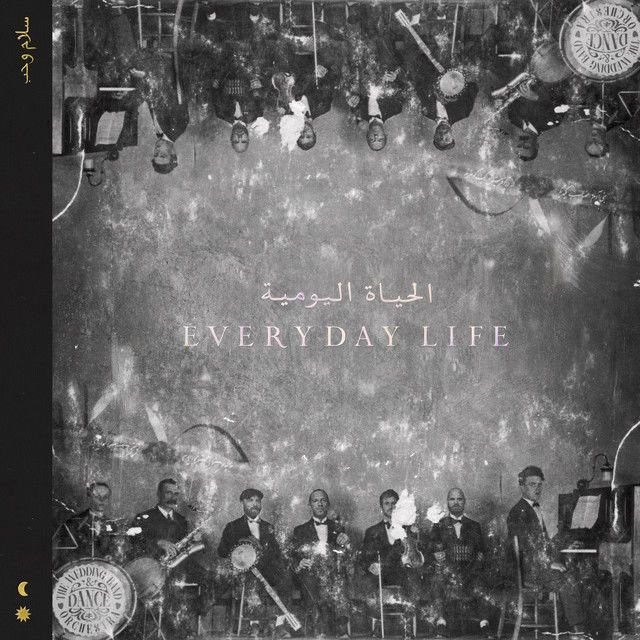
Released on Everyday Life in 2019, “Guns” arrived during one of the band’s most politically alert eras. According to the album’s official materials and release coverage, Everyday Life was framed around global tensions, human connection, and moral unrest. Within that setting, “Guns” works like a sharp interruption—a brief, acoustic outburst that refuses to sound polished or comforting.
A Protest Song Hiding Inside Satire
At the heart of the song is a repeated, mocking demand for more guns
. The phrase is the key to the song’s irony. Rather than arguing that weapons solve problems, the lyric exposes how often leaders, institutions, and public voices respond to fear with even more violence.
The verses build that point by moving through schools, hospitals, poor neighborhoods, and boardrooms. The song connects all of them, suggesting that violence is not just about battlefields. It is cultural, political, and economic. When the lyric shows children pretending with weapons and institutions making cold decisions, it paints a society teaching aggression from the ground up.
Interpretation: They seem to be saying that violence becomes normal long before a real weapon appears. It starts in language, policy, profit, and habit.

Watch the official Guns
music video
How the Verses Attack Systems, Not Just People
One of the smartest things in “Guns” is how it targets whole systems. The song does not spend time on one villain. Instead, it points at a culture where cruelty is rewarded.
Early lines move from playgrounds to hospitals and slums, implying that every layer of society gets squeezed. Then the song pivots to economics and authority, using phrases like all the sums
and judgement of this court
. Those details matter because they make violence sound bureaucratic. Harm is not shown as chaos alone; it is also planned, counted, and approved.
Later, the song gets even harsher. The attack on education, forests, and outsiders suggests a worldview built on greed and exclusion. The ugly command to save only your own kind shows the logic of tribalism taken to its extreme. In simple terms, the song argues that once a society values power over people, everything becomes disposable.
The Chorus Turns Panic Into Self-Doubt
The emotional center comes when the speaker admits that everything's gone so crazy
and then wonders, Maybe I'm crazy too
. That turn is important. It keeps the song from sounding preachy.
Instead of standing above the madness, the speaker feels trapped inside it. They can see the insanity, but they also feel infected by it. That makes the song more human. Protest songs often point outward; this one also looks inward.
Interpretation: The chorus captures media overload and moral exhaustion. When public life feels nonstop and absurd, even clear-thinking people start doubting their own judgment.
Why the Acoustic Sound Matters So Much
“Guns” is carried by a rough, stripped acoustic arrangement rather than the huge, glowing style many listeners associate with Coldplay. That choice matters. The bare guitar and direct vocal leave little room to hide. The song feels closer to a folk protest tradition than a stadium anthem.
Because the music is lean, the sarcasm lands harder. There is no lush production to soften the message. The stop-start emphasis around Stop
also works like a warning siren, breaking the flow and forcing attention.
This sparseness fits Everyday Life, an album that moved across gospel, folk, orchestral pop, and politically charged songwriting. In that wider context, “Guns” feels like the album’s bluntest editorial.
Coldplay Context Helps Explain the Edge
Chris Martin, Guy Berryman, Jonny Buckland, and Will Champion are credited as the song’s writers, matching the core Coldplay lineup. That matters because “Guns” does not feel like a side comment; it feels like a band statement.
Coldplay have touched politics before, but often through broad, emotional themes. “Guns” is more specific in tone. It uses satire instead of uplift. That gives it a different energy from songs built around hope or unity.
For U.S. listeners especially, the imagery may echo debates around gun culture, institutional failure, and public numbness. Still, the song’s target is wider than one country. It speaks to any society where fear, profit, and identity politics overpower compassion.
Another Way to Read the Song
There is also a secondary reading worth noting. Beyond literal weapons, arm it when it comes
can suggest the way outrage itself gets weaponized. In that sense, “guns” become a symbol for any tool of domination—media spin, economic pressure, legal power, or social hatred.
That broader reading fits the song’s many settings. The lyrics move across class, institutions, environment, and culture because the real subject may be a mindset: when everything becomes a battle, empathy dies first.
Final Take on the Meaning
The meaning of Guns Coldplay is best understood as a sarcastic protest against violent thinking. It condemns the reflex to answer fear with force and shows how that reflex spreads through politics, money, education, and everyday life.
Its acoustic bite, angry humor, and self-questioning chorus make it one of Coldplay’s sharpest social songs. Interpretation: They are not offering a policy argument as much as a moral alarm. The song warns what happens when a culture becomes so used to aggression that it starts calling it common sense.
Disclaimer: Song meaning is interpretive. This reading is based on the lyrics, the song’s musical choices, and publicly available context around Coldplay and Everyday Life*.*








