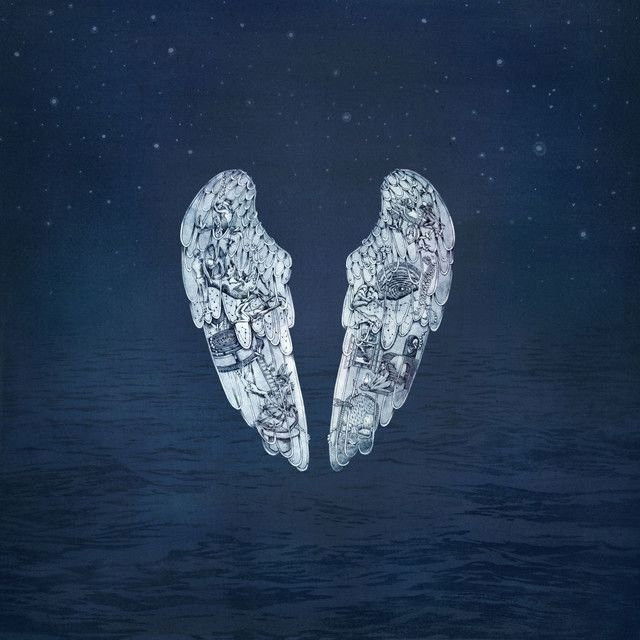
Why 'O' by Coldplay Feels Like Letting Go
The meaning of O Coldplay becomes clearer when they hear how gently the song treats heartbreak. As the closing track of Ghost Stories, the 2014 album turns away from drama and toward release. According to Songfacts, the record follows an emotional breakup arc and “O” ends it with hope rather than bitterness (Songfacts).
"O" - Coldplay
Hovering above
Just a flock of birds
Loading lyrics...
Unable to load lyrics
We're unable to display the lyrics at this time. Please try again later.
That matters because this song does not argue with loss. It watches it. The central image of birds moving overhead makes love feel beautiful, fragile, and impossible to trap. Instead of promising a reunion, the song accepts movement, distance, and change.
The Heart of the Song: Love Cannot Be Held Still
At its core, O is about learning that love may not stay in one form forever. The image of a flock of birds
suggests something graceful but temporary. The song compares love to motion in the sky: present for a moment, then already gone.
The next idea deepens that feeling. When the singer says that's how you think of love
, the song hints at a clash between two views. One person may see love as fleeting or hard to trust, while the speaker still looks upward, still searching for meaning after loss.
Interpretation: They can hear the song as a breakup piece, but also as a meditation on any bond that changes shape. It could be about romantic love, grief, or even the fear of losing connection with someone who once felt close.

Watch the official O
music video
A Narrator Who Chooses Hope Over Control
What makes the song moving is not just sadness. It is the decision to stay open. The speaker keeps looking skyward and praying before daybreak, which suggests ritual, longing, and a need for comfort after something has ended.
When the song circles around sometimes they arrive
and then disappear, it describes the unstable rhythm of relationships. People come close, drift away, and keep living. The singer cannot stop that movement, but they can respond with grace.
That is why the refrain matters so much. The phrase fly on
sounds like both surrender and blessing. Rather than asking love to stay against its nature, the song releases it. That is the emotional turning point.
How the Ending Changes the Meaning
Late in the song, the message shifts from observation to wish. The line maybe one day
opens a small door to reunion, but it does not demand one. It imagines connection without forcing it.
So fly on
Ride through
Maybe one day
I'll fly next to you
This is the one place where the song sounds almost healed. The speaker no longer tries to hold the birds in place. Instead, they imagine joining the motion. In simple terms, they stop resisting change and begin to adapt to it.
Why the Birds Matter So Much
The bird image carries nearly the whole song. Birds can suggest freedom, souls, passing seasons, or thoughts that cannot be pinned down. Because the lyrics stay spare, listeners can project their own experiences onto that symbol.
Interpretation: In one reading, the birds represent love itself: beautiful, real, but never fully ownable. In another, they stand for people who move in and out of someone’s life. There is also a grief reading, where the skyward gaze feels like talking to someone absent but still emotionally present.
This symbolic openness is one reason the song has lasted. It is personal enough to hurt, yet broad enough to fit many kinds of loss.
How the Sound Carries the Emotion
The production helps explain the meaning of O Coldplay just as much as the words do. Songfacts reports that the track was produced by Madeon (Songfacts). The arrangement is quiet, airy, and patient, giving each line room to breathe.
The music seems to hover, matching the bird imagery. Songfacts also notes that the bird-like sounds are associated with Jonny Buckland’s guitar technique rather than actual birds (Songfacts). That detail is important: the song builds its own sky from instrumentation.
Chris Martin’s vocal is soft and almost weightless, which keeps the song from turning melodramatic. The performance sounds resigned, but not defeated. That balance is the whole point.
Context From Ghost Stories Adds Another Layer
Coldplay placed O at the end of Ghost Stories, an album widely understood as shaped by separation and reflection during a difficult period in Martin’s life (Songfacts). In that context, the song works like a final exhale.
Songfacts also quotes Martin discussing the album’s hopeful message, saying, “Don’t ever let go,” while speaking about having his son in the studio (Songfacts). That helps explain why the song feels tender instead of broken. Even in pain, it reaches for connection.
Some listeners also point to the title O as echoing wholeness rather than emptiness, an idea linked by Songfacts to Martin’s comments about Shel Silverstein’s The Missing Piece Meets the Big O (Songfacts). That reading fits the song well: healing comes not from being completed by someone else, but from learning to keep moving.
The Final Quiet
Many listeners notice the long silence attached to some versions of the track. While informal discussion often treats it as a hidden-track device and reflective pause, the artistic effect is clear: it leaves space after the album’s emotional release. The silence feels like aftermath.
That choice suits the song. After all the hovering, watching, and letting go, words finally stop. What remains is acceptance.
Why 'O' Still Connects
The lasting power of O comes from its restraint. It does not over-explain heartbreak. It turns loss into motion, then turns motion into hope. For listeners asking about the meaning of O Coldplay, the simplest answer is this: it is a song about accepting that love changes, and choosing tenderness anyway.
That interpretation is based on the lyrics, album context, and reported artist comments, but songs remain open to personal meaning. Different listeners may hear grief, breakup, spiritual release, or all three at once.








