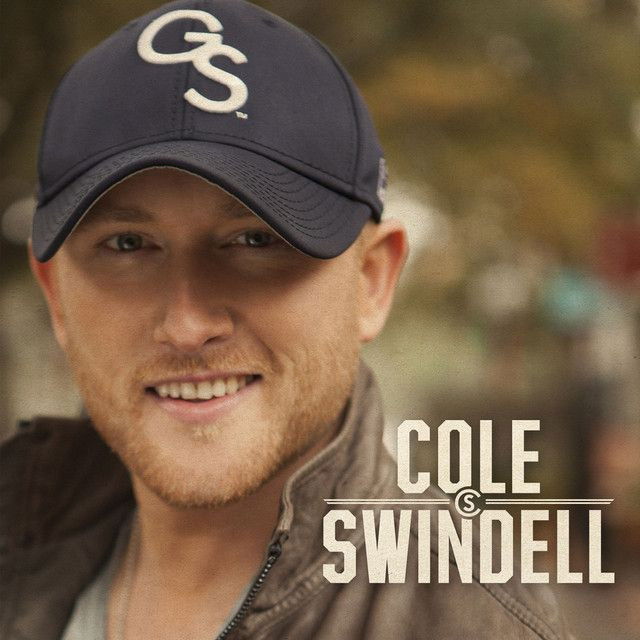
Why ‘Ain’t Worth the Whiskey’ Hits So Hard
The meaning of Ain't Worth the Whiskey Cole Swindell comes down to one sharp idea: a breakup may sting, but the ex does not deserve to become the center of the night. Cole Swindell turns a familiar country-bar setup into something more stubborn and self-protective. Instead of drinking to forget someone, the singer claims they are drinking for almost everything else.
"Ain't Worth the Whiskey" - Cole Swindell
'Cause I've already moved on
I don't care what his name is
Loading lyrics...
Unable to load lyrics
We're unable to display the lyrics at this time. Please try again later.
Released as the third single from Swindell’s 2014 self-titled debut and produced by Michael Carter, the song became another major hit for him, reaching No. 1 on Billboard’s Country Airplay chart and helping confirm his early run of radio success (Wikipedia, Songfacts). That popularity makes sense: it takes a breakup song and gives it pride, humor, and a little denial.
A Breakup Song That Refuses to Beg
At its core, the song is about damaged pride. The narrator says the relationship is over and insists the hurt is already in the past. Early lines reject jealousy, gossip, and the usual spiral that follows a split. When they say already moved on
, the phrase sounds simple, but the repetition around that idea makes it feel like a statement they need to keep reinforcing.
That is the song’s smartest move. It does not present heartbreak as clean or graceful. Instead, it shows someone trying to control the story in public. They are in a bar, and everyone could assume they are there because of an ex. The song pushes back on that assumption.

Watch the official Ain't Worth the Whiskey
music video
The Hook’s Real Message Lives in the Word “Worth”
The title phrase matters because it turns pain into a question of value. The ex is not just gone; they are not worth the energy, the money, or the ritual of getting drunk over. When the chorus lands on ain't worth the whiskey
, it makes emotional suffering sound like a bad investment.
Interpretation: This is less about total healing and more about reclaiming dignity. They may still feel the breakup, but they refuse to honor it. In country music, whiskey often stands for memory, loneliness, or confession. Here, Swindell flips that symbol. The drink stays, but the ex loses significance.
A Barroom Scene With More Than One Toast
One reason the song works so well is its structure. Each chorus lists better reasons to raise a glass. They drink to a country song, to the end of a work week, to seeing an old friend, and later to those savin' our ass overseas
. Those details broaden the world of the song.
Instead of letting romance dominate everything, the lyrics place heartbreak next to work, friendship, and gratitude. That shift gives the song perspective. A failed relationship is painful, but it is not bigger than daily life or bigger than the people who truly matter.
I'll raise my glass
to a long lost buddy
and not to an old memory
That idea, paraphrased from the chorus, is the song’s emotional center. The bar is not a place of collapse. It is a place where the narrator chooses what deserves attention.
Where the Song Came From Matters
The song’s backstory supports that reading. Swindell co-wrote it with Josh Martin and Adam Sanders, and according to Songfacts, the title came into the room after Swindell had gone through a real breakup. Swindell told Billboard the song was special because it came from “a real place,” while Josh Martin explained they did not want a standard breakup-drinking song; they wanted the opposite idea (Songfacts).
That writing-room twist is key. The song is not anti-drinking, and it is not anti-feeling. It is anti-giving-the-ex-too-much-power. That is why the tone feels so conversational. They are not delivering grand poetry. They are drawing a line.
How the Sound Carries the Meaning
Musically, the track sits in polished country-pop, with a clean, radio-ready arrangement and an easygoing barroom pulse (Wikipedia). The melody is smooth, the groove is steady, and the chorus is built to sound communal, like a toast shared across a crowded room.
That sound matters because it keeps the song from drowning in sadness. The production does not chase tears; it leans into resilience. Even if the lyric is about a breakup, the beat and phrasing suggest motion, social energy, and control.
Some critics heard that as a weakness, arguing the cheerful sound softens the hurt too much, while others praised it as a fun moving-on anthem (Wikipedia). Both reactions are fair. The tension between the bright production and the bruised message is part of what gives the song shape.
The Final Toast Changes the Stakes
The last section lifts the song beyond personal drama. By including a salute to service members, the track introduces gratitude and national pride into what began as a breakup narrative. That choice was reinforced in the music video, filmed at Nashville’s Silver Dollar Saloon and featuring U.S. Special Forces veteran Kyle Davis and members of his team (Songfacts, Wikipedia).
Interpretation: This ending says heartbreak should be kept in proportion. There are bigger sacrifices, bigger loyalties, and better reasons to celebrate than an old relationship.
Why the Song Still Connects
The lasting appeal of the meaning of Ain't Worth the Whiskey Cole Swindell is that it captures a very recognizable moment: when someone is hurt, but too proud to let that hurt define the room. They may still be stung. They may even be a little performative. But that is exactly why the song rings true.
It is not a deep lament. It is a public statement of self-respect, delivered with a drink in hand and a chorus that invites everyone else to sing along.
Disclaimer: This interpretation blends verified background facts with lyrical analysis, so some meaning remains open to listener perspective.









