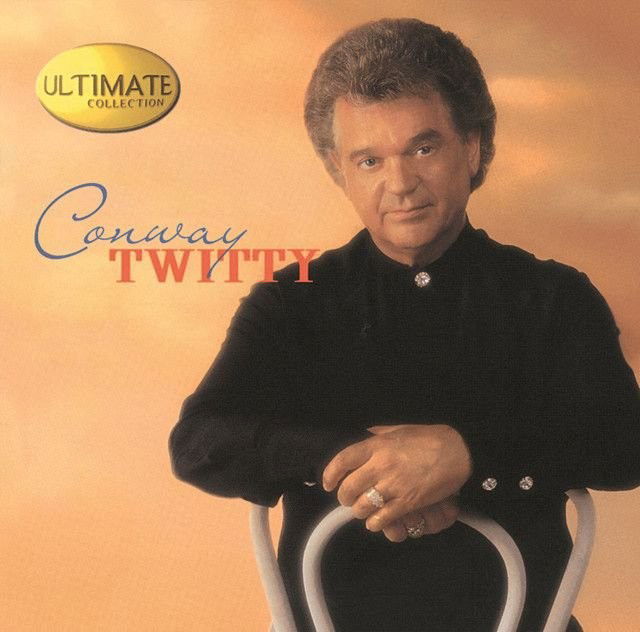
Why "Desperado Love" Turns Desire Into a Standoff
The meaning of Desperado Love Ronnie McDowell with Conway Twitty comes down to one idea: desire so strong that it starts to sound like a crime story. The song takes a familiar country theme—wanting someone they should not have—and frames it with outlaw language, border imagery, and a conscience that keeps losing the argument.
"Desperado Love" - Ronnie McDowell with Conway Twitty
Don't know what else to do
I got a desperado love for you
Loading lyrics...
Unable to load lyrics
We're unable to display the lyrics at this time. Please try again later.
Rather than presenting romance as sweet or noble, the lyric makes it feel dangerous. They are not simply lovesick. They are tempted to break rules, cross lines, and justify it all because the feeling seems bigger than ordinary right and wrong.
A Country Love Song With a Wanted Poster Feel
Factually, the song was written by Michael Garvin and Sammy Johns, both established Nashville songwriters associated with country storytelling. In the supplied song information, it is identified as a country track, and that fits the lyric's strong narrative voice, plainspoken emotion, and dramatic setup.
Even without a detailed production credit list here, the song's style points toward mainstream country ballad craft: steady rhythm, clear melody, and vocals that sell the moral conflict. That matters because the arrangement does not distract from the story. It supports the lyric's push-and-pull between restraint and surrender.
Watch the official Desperado Love
music video
The Core Story: Wanting What Is Not Theirs
At the center of the song is a narrator who falls hard for someone already connected to another man. From the first meeting, they feel doomed by attraction. The phrase desperado love
sums that up in two words: this is not calm devotion, but reckless need.
The song's tension comes from self-awareness. The narrator knows the situation is wrong. They even admit it breaks the rules. Yet each confession of guilt is followed by another justification for chasing the person anyway.
This is why the song feels dramatic. It is not about uncertainty over feelings. It is about certainty of feeling colliding with the knowledge that those feelings should not be acted on.
Where the Outlaw Metaphor Does the Heavy Lifting
The most important device in the lyric is the Western outlaw metaphor. The narrator imagines romance like a holdup, a border escape, or a shot aimed straight at the heart. Short phrases such as steal you away
, shoot for the heart
, and head out for the border
turn emotional temptation into movie-like action.
Interpretation: this does two things at once.
- It heightens the passion.
- It exposes the narrator's self-dramatizing mindset.
They are not only in love; they are casting themselves as a bandit who believes intense feeling can excuse bad choices. That is why the title image matters. A desperado lives outside the law, and the narrator wants love outside social and moral order too.
The Real Conflict Is Not Rivalry—It Is Conscience
Many songs about love triangles focus on beating a rival. This one is more interested in the speaker's inner battle. The line about having no respect for law and order
is not really about police or government. It is about moral boundaries in love.
That phrase broadens the song beyond jealousy. They are wrestling with a code they know they are breaking. The other man matters because he represents the barrier, but the deeper problem is the narrator's own willingness to cross that barrier.
It's so wrong to take what isn't mine
And head out for the border
Those lines capture the song's whole engine. They admit the act would be wrong, then immediately imagine escape. Desire and guilt move side by side.
How the Chorus Changes the Meaning
The chorus is where longing turns into threat, or at least bold intention. In the verses, the narrator explains the situation and confesses the problem. In the chorus, they act. The repeated idea of making a direct move transforms the song from confession into declaration.
Interpretation: that shift is why the hook feels memorable. It is not passive heartbreak. It is active pursuit. The chorus says, in effect, that the narrator has thought about the moral cost and may chase love anyway.
That is also where the song's emotional honesty shows up. They are not pretending to be noble. They are exposing a selfish impulse in plain language, which gives the lyric its edge.
Why the Sound Likely Matters as Much as the Words
In country songs like this, production usually carries meaning by balancing tenderness with tension. A smooth vocal line can make questionable choices sound emotionally understandable. Warm steel guitar, restrained drums, and a slow-to-mid tempo often create sympathy even when the lyric describes something troubling.
That contrast is important here. The song's language is intense, but the likely ballad setting softens it. Instead of sounding violent, it sounds tormented. That helps listeners hear the narrator as conflicted rather than cruel.
For Ronnie McDowell and Conway Twitty, that approach also makes sense artistically. Both are associated with romantic country performances and emotionally direct delivery. Their style would naturally emphasize yearning over aggression, making the song feel like a guilty confession wrapped in classic country polish.
Final Take on the Song's Meaning
The meaning of Desperado Love Ronnie McDowell with Conway Twitty is the story of forbidden desire dressed in outlaw imagery. It shows a person who knows a love affair would be wrong but feels so overwhelmed that they begin to romanticize breaking the rules.
What makes the song work is that it never hides the moral problem. Instead, it lets listeners sit inside that unstable space where passion, fantasy, and conscience all pull in different directions.
Disclaimer: This interpretation is based on the lyrics provided and common country-music context. Meaning can vary from listener to listener.







