
Why Cordae’s “Sweet Lawd - Skit” Hits So Hard
The meaning of Sweet Lawd - Skit Cordae comes through fast: it is a short, funny, and honest look at guilt. In just a few lines, Cordae turns a prayer into a confession. They present someone who asks God for help, fully aware they will probably mess up again soon.
"Sweet Lawd - Skit" - Cordae
Yeah, mmm
And one and two
Loading lyrics...
Unable to load lyrics
We're unable to display the lyrics at this time. Please try again later.
That mix of faith, humor, and self-knowledge is what gives the skit its sting. It sounds light on the surface, but underneath, it is about a cycle many people know well: regret, promises to do better, then a slide back into old habits.
A Tiny Track With a Big Idea
At its core, this skit is about moral weakness. The speaker pleads, Sweet Lord, have mercy
, then follows that prayer with an admission that they keep returning to the same behavior. The contrast is the whole point.
Rather than acting holy or perfectly reformed, Cordae frames the speaker as deeply human. They know right from wrong. They also know that knowledge alone does not stop repetition. That honesty makes the track feel less like a sermon and more like a snapshot of real life.
In SEO terms, the meaning of Sweet Lawd - Skit Cordae is not hidden in symbolism so much as compressed into one blunt emotional loop: ask for grace, fall again, ask again.
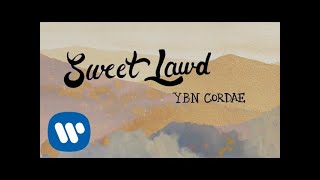
Watch the official Sweet Lawd - Skit
music video
The Hook Turns Prayer Into Self-Exposure
The repeated lines work like both chorus and punchline. The speaker calls on Baby Jesus, please save us
, but that request is undercut by what comes next: they admit they have already burned through their chances.
I know I used up
my three favors
This brief moment matters because it mixes religious language with casual speech. “Three favors” sounds almost playful, as if mercy were a limited tab they have already maxed out. That makes the confession feel modern and conversational, not formal.
Interpretation: The skit may be joking about divine forgiveness, but it is also exposing how people bargain with morality. They treat repentance like a reset button, while knowing that real change is harder than a quick apology.
The Real Story Is the Relapse
The most revealing phrase is Back to sinnin'
. That line strips away any illusion that the prayer solved the problem. The speaker expects failure almost immediately. Then Cordae sharpens it with like a week later
, which adds timing, comedy, and sadness all at once.
That detail matters because it makes the cycle specific. This is not some distant spiritual crisis. It is close, familiar, and recurring. The person is not evil; they are stuck.
A simple way to read the skit is this:
- They feel guilty.
- They ask for mercy.
- They admit they will likely repeat the behavior.
- They say it anyway, because the need for grace is still real.
That sequence is why the piece lands. It captures the gap between intention and action in a way that is brief but memorable.
Cordae’s Persona Gives the Lines Extra Weight
Cordae has often balanced sharp technique with reflective writing, and that broader reputation helps the skit register as more than a throwaway joke. According to Apple Music, Cordae’s catalog moves between introspection, storytelling, and playful performance. That range fits this track well.
Even with very little text, they use a familiar Cordae strength: sounding thoughtful without becoming stiff. The skit is casual, but not careless. It feels designed to show a tension they understand well—wanting to be better while knowing self-sabotage is always nearby.
Because the title calls it a skit, listeners should not treat every line as strict autobiography. Still, the emotional truth is believable. The character sounds like someone confessing what many people do not say out loud.
How the Performance Carries the Meaning
The production details supplied here credit Cordae Dunston, Daniel Hackett, and Illuid Haller as writers. Even without a full arrangement breakdown, the vocal setup matters. The count-in at the start—one and two
—creates the feel of something informal and in-the-room, almost like a studio warm-up that suddenly becomes revealing.
That looseness supports the theme. A polished, dramatic delivery might have made the prayer sound heavy-handed. Instead, the skit feels offhand and natural, which makes the confession more believable.
Interpretation: The sparse setup suggests that the idea itself is the focus. There is no need for a dense verse or big beat switch. The repetition is the structure. The voice, with its quick return to the same plea, becomes the sound of a habit repeating itself.
Faith, Comedy, and Human Nature
What makes this skit effective is its balance. It is funny, but not empty. It is spiritual, but not preachy. It is self-critical, but not hopeless.
That balance opens up two strong readings:
Reading One: A comic confession
In this view, Cordae is using humor to admit weakness. The religious imagery gives the lines force, while the casual phrasing keeps them relatable. The joke lands because the guilt is real.
Reading Two: A critique of cheap repentance
This reading hears something more pointed. The speaker knows they keep asking for forgiveness without changing much. That turns the skit into a small critique of performative remorse—saying sorry, then repeating the same choices.
Both readings can be true at once. In fact, that overlap is probably why the track sticks.
Why “Sweet Lawd - Skit” Works
The meaning of Sweet Lawd - Skit Cordae lies in how efficiently it captures a universal pattern: people want mercy even when they know they are inconsistent. Through a brief prayer, a repeated hook, and one sharp admission of relapse, Cordae turns a skit into a character study.
They show that guilt is not always dramatic. Sometimes it sounds casual. Sometimes it even sounds funny. But the truth underneath is serious: knowing better and doing better are not the same thing.
For many listeners, that is what makes the track memorable. It does not pretend people are pure. It admits they are conflicted, repetitive, and still reaching upward anyway.
Disclaimer: This article offers interpretation based on the lyrics, performance, and available context. Song meanings can vary from listener to listener.








