Why “A Long December” Still Feels So True
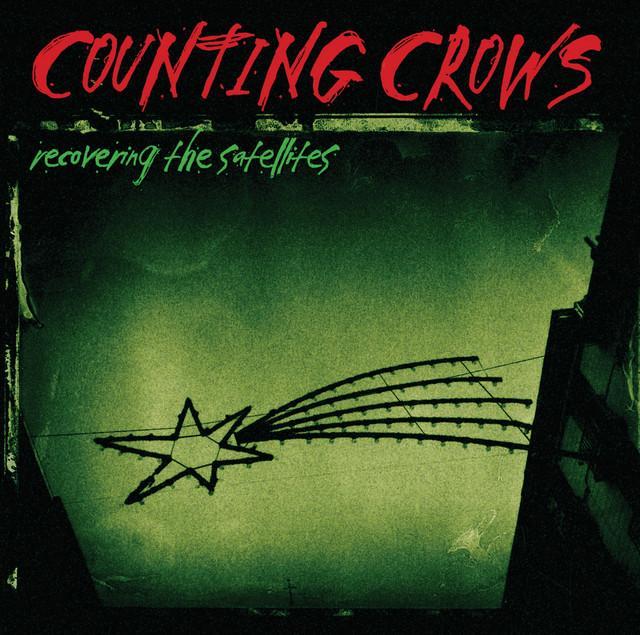
The meaning of A Long December Counting Crows comes down to a hard balance: grief, memory, and a small but stubborn hope that life can improve. Released on Recovering the Satellites in 1996, the song became one of the band’s most lasting hits, and not just because it sounds good in winter. It speaks to anyone who has ended a rough year feeling worn out but not fully defeated.
"A Long December" - Counting Crows
Maybe this year will be better than the last
I can't remember the last thing that you said as you were leaving
Loading lyrics...
Unable to load lyrics
We're unable to display the lyrics at this time. Please try again later.
Factually, the song was written by Adam Duritz and released as the second single from the band’s second album in 1996, with production by Gil Norton and Counting Crows, as noted by Wikipedia. Interpretation: what makes it endure is how it turns private pain into a public ritual of reflection.
The Heart of the Song Is Sadness With Forward Motion
At its core, the song is about looking back at loss while still trying to imagine a better future. Duritz explained in a VH1 Storytellers account preserved by Songfacts that the song grew out of a period when he was visiting a friend in the hospital after a serious accident. That context matters because it explains why the song feels grounded in real fear rather than vague melancholy.
The opening idea is simple and devastating. A month feels endless, a relationship seems damaged, and time keeps moving anyway. When the singer says long December
and hopes this year will be better
, they are not making a big triumphant promise. They are settling for cautious optimism, which is exactly why the line feels believable.
Watch the official A Long December
music video
Hospitals, Hollywood, and the Weight of Ordinary Places
One of the song’s great strengths is its use of everyday settings. The image of hospitals in winter
immediately creates a physical world of antiseptic air, fatigue, and worry. It is not romantic suffering. It is the kind of sadness people can smell, hear, and carry in their bodies.
The song then shifts into Los Angeles geography: canyons, Hollywood, night drives, and late conversations. These places are not glamorous here. They feel lonely and repetitive, as if the city keeps moving while the speaker is emotionally stuck.
That contrast is important to the meaning of A Long December Counting Crows. The outside world remains busy, but the inner world is slowed by grief. The city lights do not solve anything. They just make the loneliness look cinematic.
A Breakup Song, but Not Only a Breakup Song
Many listeners first hear the track as a breakup ballad, and that reading makes sense. There are clear signs of distance, unfinished communication, and longing for forgiveness. When the song reaches I wish you would
, it sounds like someone wanting another person to return, or at least to understand them.
But reducing it to romance alone misses the larger point. Interpretation: the absent “you” may be a former partner, yet the song also addresses lost time, missed chances, and the self that could not hold life still. The line about trying to hold on to passing moments suggests regret that goes beyond one relationship.
In that way, the song works on two levels at once:
- a personal story about separation
- a broader meditation on how quickly life changes
- a year-end reckoning with what cannot be repaired
The Chorus Turns Regret Into a Small Act of Faith
The chorus is what made the song a lasting anthem. It returns to daily motion, repeated nights, and the wish that someone might come back or that the speaker might reconnect with life. The repeated structure sounds almost like someone talking themselves through another day.
Maybe this year will be better than the last
That single thought is the emotional center of the song. It is not joy. It is not closure. It is survival phrased as hope.
This is why the track resonates every December in the United States. End-of-year songs are often either festive or crushingly nostalgic. “A Long December” sits in a more honest middle space. It admits damage but leaves the door open.
How the Sound Carries the Meaning
The arrangement supports that message beautifully. The song moves at a slow tempo, around 72 beats per minute, with piano and rootsy rock textures that never overpower the vocal. Duritz’s performance sounds conversational, almost fragile, which helps the lyrics feel lived in rather than performed.
The band’s instrumentation also matters. Organ, Wurlitzer, guitars, and restrained drums create warmth without turning the song sentimental. It feels late-night and slightly worn, like the emotional version of headlights on a cold road.
There is also a live-band quality to the recording. Songfacts reports that Duritz described it as mostly recorded live in the studio, with only harmonies added afterward. That looseness gives the track a human pulse. It sounds like people trying to hold a feeling in place before it disappears.
Why One Image Changes Everything
Midway through the song, there is a sudden vision of beauty in a crowded room, when the singer notices light attaches to a girl
. This moment matters because it interrupts the hospital gloom and emotional drift with a flash of wonder.
Interpretation: the image suggests that even in a bleak season, attention can still land on beauty. The song does not claim that beauty fixes pain. Instead, it argues that pain and beauty can exist in the same hour.
That is a mature message, and it helps explain why the song ages so well.
Why the Song Endures
“A Long December” reached major radio success in the 1990s, including strong U.S. airplay, but charts are only part of the story. Its real legacy is emotional usefulness. People return to it after hard years because it gives them language for uncertainty without forcing a neat ending.
The meaning of A Long December Counting Crows is not that everything turns out fine. It is that people can live through confusion, regret, illness, distance, and still find a reason to keep going. The song’s closing mood is weary, reflective, and slightly more open than where it began.
That may be why it remains one of Counting Crows’ defining songs: it understands that hope often arrives quietly.
Interpretation disclaimer: song meanings can vary by listener. This reading separates documented background from interpretive analysis, and other readings may be just as valid.








