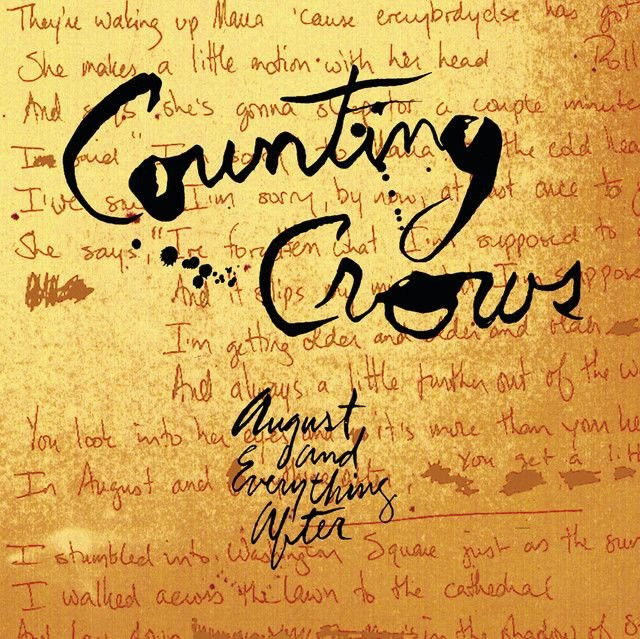
Mr. Jones by Counting Crows
They remember the first time this chorus grabbed them: a rush of jangling guitars and a voice promising everything will make sense once the lights hit. But the deeper you listen, the more the song hints that this promise is a beautiful lie. That tension—big dreams versus private doubt—is the core meaning of Mr. Jones.
"Mr. Jones" - Counting Crows
Mmm
Uh huh
Loading lyrics...
Unable to load lyrics
We're unable to display the lyrics at this time. Please try again later.
Fame as a Cure? The Real Question Under the Hook
At heart, the meaning of Mr. Jones Counting Crows is about craving validation and mistaking fame for love. The narrator and his friend imagine that if everybody loves you
, the ache inside will stop. It sounds euphoric, yet the verses keep circling back to insecurity and misread signals. They want “something beautiful,” but they still feel small in the room. The song captures that uneasy moment when ambition looks like salvation.
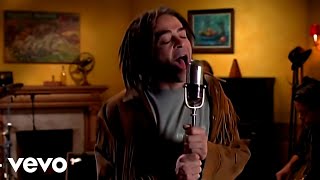
Watch the official Mr. Jones
music video
The Night That Sparked It: Two Dreamers at the Bar
The story springs from a real night out. Adam Duritz and his friend Marty Jones watched Marty’s father play flamenco, then drifted to a San Francisco bar. Details like show me some of them Spanish dances
hint at that scene. Surrounded by performers and beauty, they felt invisible. According to Duritz, they wondered if being rock stars would finally make connection easy. That ordinary, slightly drunk question becomes the engine of the song.
Who’s Speaking: First-Person Confession with a Sidekick
The narrator speaks in first person, but keeps “Mr. Jones” close, like a mirror. They hype each other up, telling fairy tales and trying to believe. Lines about how they stare at the beautiful women
show their embarrassment: they can’t even cross the room. The song’s voice is confessional and jumpy—hope, envy, humor, and fear in quick flashes—so listeners feel the performing persona forming in real time.
The Hook That Sells the Dream—and Gives It Away
The chorus is a wish the narrator tries to turn into fact.
We all wanna be big, big stars
When everybody loves me, I will never be lonely
Interpretation: It reads like a guarantee, but the verses undercut it. The certainty sounds like bravado, a pep talk they need to keep the dream alive.
Symbols and Motifs: Paint, Gray, and Stage Light
Art is the coping strategy. When he vows to paint his life, the colors feel like self-invention—but then comes the undercut: gray is my favorite color
. Gray suggests doubt, the space between hope and truth. The “gray guitar” is an instrument for reinvention, but it’s not joyful sunshine; it’s muted. Name-checks like I wanna be Bob Dylan
reach for the gold standard of authenticity, as if borrowing Dylan’s aura could solve the narrator’s identity crisis. Spotlights and TVs turn private longing into public image, reminding us that performing a self can’t fully replace having one.
How the Sound Makes the Story Shine
Producer T-Bone Burnett gives the track punch without gloss. Bright, strummed guitars and organ sparkle like classic jangle-pop, while the rhythm section keeps it buoyant and radio-ready. Drummer Denny Fongheiser reportedly cut the part in two takes, which fits the song’s live-wire feel. Duritz’s vocal crests and cracks at the edges—it’s showy and wounded at once. The sound says celebration; the voice says, not so fast.
Breakthrough—and Second Thoughts
“Mr. Jones” became Counting Crows’ breakout: top five on US radio and a No. 1 in Canada. The video helped the band win Best New Artist at the 1994 MTV VMAs. But as fame arrived, Duritz began rethinking the premise onstage, sometimes slowing the arrangement and altering lines to question whether universal love fixes anything. In a meta twist, the band achieved the very spotlight they once imagined, only to find the answer murkier than promised—like seeing yourself staring at the video
and not quite recognizing who’s looking back.
Other Readings: Dylan’s Shadow and a Generational Name
Interpretation: The title may echo Dylan’s “Mr. Jones” archetype—the confused outsider in “Ballad of a Thin Man.” Here, though, Mr. Jones is a companion in delusion, not a target of scorn. Some also link the song to “Generation Jones,” a label for those born in the late ’50s to mid-’60s, capturing a cohort’s restless yearning. Both readings sharpen the theme: wanting more is a habit of mind as much as a career plan.
Final Takeaway: The Dream Isn’t the Answer—But It’s Human
The lasting pull of “Mr. Jones” is how honestly it treats hunger—for love, for purpose, for a version of yourself that finally fits. That’s why the meaning of Mr. Jones Counting Crows still resonates. The song lets people feel seen in their wish to be seen.
Disclaimer: Interpretation is subjective and may differ from artist intent or listener experience.
Sources
- https://en.wikipedia.org/wiki/Mr._Jones_(Counting_Crows_song)
- https://www.huffpost.com/entry/adam-duritz-mr-jones-story_n_3396339
- https://www.songfacts.com/facts/counting-crows/mr-jones
- https://americansongwriter.com/behind-the-song-mr-jones-counting-crows
- https://www.billboard.com/charts/radio-songs/








