Why 'My Sacrifice' Hits Harder Than Nostalgia
The meaning of My Sacrifice Creed becomes much clearer when they stop hearing it as just a big post-grunge singalong. Under the soaring chorus, the song points to reunion after damage. It sounds like a conversation with someone important, but the strongest reading is that the speaker is trying to find his way back to himself.
"My Sacrifice" - Creed
It's been a while, where should we begin?
Feels like forever
Loading lyrics...
Unable to load lyrics
We're unable to display the lyrics at this time. Please try again later.
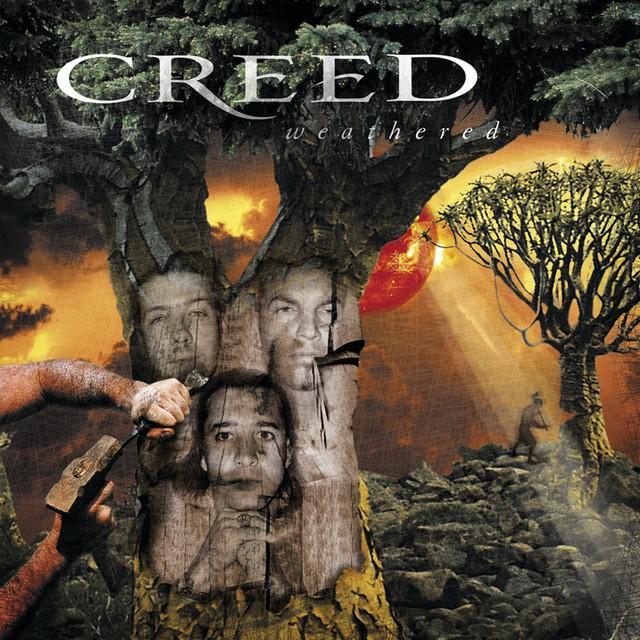
Released in 2001 as the lead single from Weathered, the track became one of Creed's biggest hits, reaching No. 4 on the Billboard Hot 100 and spending nine weeks at No. 1 on Mainstream Rock, according to Wikipedia. That success matters because the song's emotional directness helped it connect beyond rock radio.
The Real Heart of the Song
At its core, the song is about recovery, memory, and self-reunion. The opening greeting, Hello my friend
, sounds like the speaker is meeting another person. But the later lines shift inward, suggesting that this "friend" may be the better, steadier version of himself that he lost during a hard stretch.
That reading is not just fan theory. Scott Stapp said the lyrics were tied to his struggles with addiction, alcoholism, and failing to stay on course, as summarized by Wikipedia. Songfacts also frames it as a conversation with the singer's "better self" during recovery, citing Stapp's comments about trying to get better and then falling again: Songfacts.
Interpretation: The title suggests that healing costs something. The "sacrifice" is likely the old life, old habits, and old defenses that have to be given up.
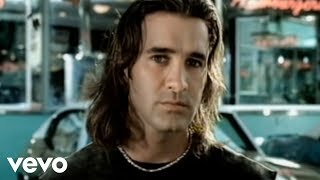
Watch the official My Sacrifice
music video
How the Verses Build That Meaning
The verses move through three clear stages:
- A reunion after absence
- A look back at what was lost
- A search for peace inside the mind
When the speaker remembers perfect love
, the line can sound romantic. But paired with the idea of inner peace, it also fits self-acceptance or spiritual restoration. The song does not lock itself into one relationship.
A key moment comes with the idea of reuniting within yourself
. That phrase turns the song inward. Instead of just saying, "I missed you," the lyric suggests a fractured identity trying to come back together.
Why the Chorus Feels So Big
The chorus uses simple language to describe emotional release. Phrases like I'm free
and I'm careless, I believe
do not celebrate recklessness so much as relief. After shame, fear, or relapse, freedom can feel light, almost childlike.
Then comes the line This brings tears
. That detail matters because it keeps the song from sounding triumphant in a shallow way. The tears suggest gratitude, pain, and maybe even surprise that healing is possible at all.
When you are with me, I'm free
Above all the others, we'll fly
In context, those lines describe a feeling of lift. Interpretation: "Flying" is less about escape than about rising above the old cycle that kept dragging the speaker down.
The Sound Carries the Message
Part of why the song landed so widely is musical design. Creed builds it with a slow, reflective verse and a swelling, arena-sized chorus. That contrast mirrors the lyric's movement from isolation to release.
According to Wikipedia, the song was written by Scott Stapp and Mark Tremonti and produced by John Kurzweg and Kirk Kelsey. Tremonti played it in open D5 tuning, and the song is in D major. Those details help explain the sound: wide chords, bright lift, and a ringing quality that supports the theme of breakthrough.
Stapp's baritone delivery is also central. He does not sing the lines like private diary entries. He pushes them outward, which makes personal struggle sound communal. That is one reason so many listeners hear their own lives in it.
The Video Makes the Meaning Even Clearer
If the lyrics leave room for debate, the video narrows it. Directed by David Meyers, it shows Stapp in a flooded city rescuing a drowned version of himself, according to Wikipedia. That image strongly supports the recovery reading.
Water becomes the major symbol. It can mean danger, relapse, memory, or emotional overload. Pulling a double out of the water looks like self-rescue made literal.
Interpretation: The video suggests that the speaker is not waiting for someone else to save him. He is trying to recover his own identity, even if the process is painful and incomplete.
Artist Context Matters Here
Creed were huge by the time this single arrived, and reactions were mixed. Some fans embraced the band's return, while others felt worn out by their earlier saturation, as noted by Songfacts. Even so, "My Sacrifice" cut through because it balanced radio-ready power with a believable emotional center.
It also came early in the Weathered writing process and was tested during soundchecks before release, according to Wikipedia. That may help explain why it feels so natural rather than overworked.
So What Does "My Sacrifice" Finally Mean?
The best answer is that the song is about the cost of becoming whole again. They can hear it as a message to a lost self, a higher power, or even a loved one who represents peace. But the strongest factual context points inward: recovery, reunion, and surrender.
That is why the song still works. It is not really about dramatic suffering for its own sake. It is about what a person must give up to return to life.
Disclaimer: This interpretation mixes documented artist comments with informed reading of the lyrics, performance, and video. Like most songs, it can support more than one meaning.








