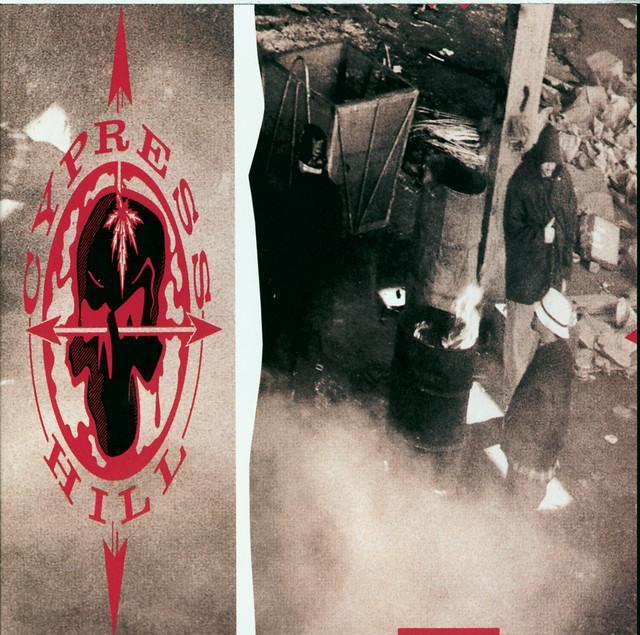
Why Cypress Hill’s Darkest Hit Still Lands
The meaning of How I Could Just Kill a Man Cypress Hill starts with shock, but it does not end there. On the surface, the song sounds like a blunt threat record. Under that surface, it is also about fear, class distance, and the hard logic of survival in a violent environment.
"How I Could Just Kill a Man" - Cypress Hill
You know what I'm sayin?
And it goes like this
Loading lyrics...
Unable to load lyrics
We're unable to display the lyrics at this time. Please try again later.
Released on Cypress Hill’s 1991 self-titled debut, the track helped introduce the group’s style to a wide audience in the United States. The album became a key early-90s rap release, and its success established B-Real, Sen Dog, and DJ Muggs as major voices in West Coast hip-hop. Factually, the song is best understood as part of that breakthrough moment rather than as an isolated provocation.
More Than a Threat: The Core Idea
At its center, the song argues that people outside the struggle do not really grasp what desperation can do to a person. The repeated line built around you can't understand
is the key. It frames the verses as a reply to judgment.
Instead of asking for sympathy, they confront the listener. The narrator speaks from a place where violence feels close, normal, and sometimes necessary. That does not mean the song celebrates murder in a simple way. It means the song presents a mindset shaped by danger.
Interpretation: the title and hook are meant to unsettle the audience so they will face a world they might prefer to ignore.
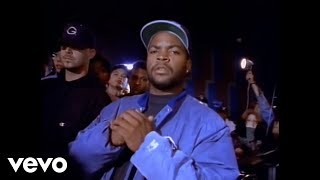
Watch the official How I Could Just Kill a Man
music video
The Story They Tell in the Verses
The verses move like snapshots from the street. They boast, threaten, and justify. Early on, they present themselves as outsiders and local kids trying to survive, with the line kid from the street
summarizing that identity.
Then the song shifts into scenarios of confrontation. One verse describes a home intrusion and a violent response. Another imagines carjacking and street robbery as daily possibilities. These scenes matter because they show how the song links violence to constant exposure, not to random evil.
A useful way to read the narrative is in three beats:
- They establish a hard public image.
- They describe direct threats to safety and property.
- They argue that people in comfort cannot judge these reactions fairly.
That last point is crucial. When they contrast street risk with life up on the hill
, they are drawing a class line. The song says that privilege creates moral distance.
Why the Hook Does So Much Work
The chorus is simple, but it reframes everything around it. The title phrase kill a man
is not just there for shock value. It acts like a challenge: can the listener understand the conditions behind such a thought?
Because the hook repeats so often, it starts to sound less like a confession and more like a thesis. The song keeps returning to the same point: outsiders hear brutality, but they miss the social pressure behind it.
Here is something you can't understand
How I could just kill a man
That two-line refrain captures the song’s whole tension. It pushes listeners to sit with both the threat and the explanation.
The Sound Makes the Message Harder
A big part of the meaning of How I Could Just Kill a Man Cypress Hill comes from its production. DJ Muggs gives the track a sparse, murky groove that feels tense rather than flashy. The drums hit with a slow, stalking weight, and the sample-based texture has a smoky, grimy feel that became central to Cypress Hill’s identity.
That sound matters because it mirrors the lyrics. There is very little relief in the beat. It stays locked in, which makes the verses feel trapped inside one emotional state: pressure.
B-Real’s nasal, cutting delivery adds anxiety, while Sen Dog brings force and grounding. Together, they sound both aggressive and defensive, which supports the song’s deeper message. They are not calmly telling a story; they are performing a survival mindset.
Context: Cypress Hill’s Place in Early-90s Rap
Cypress Hill emerged from South Gate, California, and their debut arrived during a period when rap was becoming more direct about street life, policing, drugs, and urban inequality. Their music often mixed cartoonish exaggeration with real-world tension.
That matters here. This song is not documentary realism in a pure sense, and it is not fantasy either. It sits in the classic rap space where persona, truth, menace, and social observation overlap.
Interpretation: the song works because it refuses to separate performance from environment. They use dramatic language to represent a world where danger feels ordinary.
Two Strong Ways to Read It
There are at least two credible readings of the track:
A survival narrative
This reading treats the song as a portrait of defensive violence. Phrases like riskin' my dome
suggest a life where even basic survival carries danger. From that angle, the song asks for understanding, not approval.
A provocation aimed at comfortable listeners
This reading focuses on confrontation. By saying outsiders would act like a thug
too under pressure, they challenge middle-class moral certainty. The song becomes an attack on hypocrisy.
Both readings can be true at once, which is part of why the track still holds up.
Why It Still Resonates
The song lasts because it captures a hard truth about art from the streets: listeners often want the intensity without the reality behind it. Cypress Hill force them to consider both.
For casual fans, it remains a classic because it is memorable, eerie, and blunt. For closer listeners, it is a song about the space between judgment and experience.
In that sense, the meaning of How I Could Just Kill a Man Cypress Hill is less about endorsing violence than about exposing the conditions that make violent thinking understandable to the people living inside them.
Disclaimer: This interpretation is based on the song’s lyrics, performance, and historical context. Like most art, it can support more than one reading.









