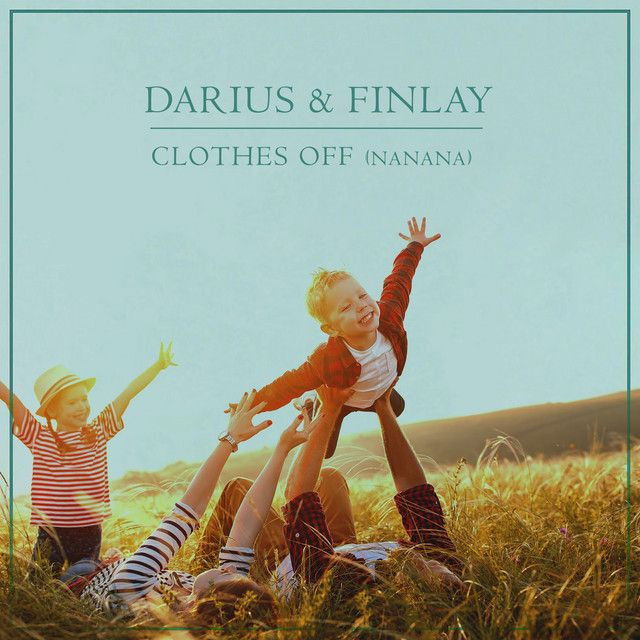
Why 'Clothes Off (Nanana)' by Darius Still Matters
The meaning of Clothes Off (Nanana) Darius starts with a simple idea: fun does not need to become sex. Under its bright chorus and easy dance-pop groove, the song pushes back against pressure and asks for respect, patience, and real connection.
"Clothes Off (Nanana)" - Darius
To have a good time, oh no
We could dance and party all night
Loading lyrics...
Unable to load lyrics
We're unable to display the lyrics at this time. Please try again later.
That message gave the track unusual weight for a club-friendly single. It sounds playful, but its point is firm. The singer is not rejecting pleasure or romance. They are setting terms for it.
A Party Song With Clear Boundaries
At the center of the song is a refusal. The chorus says, in plain language, we don't have to take our clothes off
. Before and after that line, the song makes the idea even clearer: people can dance, flirt, and enjoy the night without rushing into anything physical.
That is why the hook feels catchy and corrective at the same time. It answers an assumption. The narrator senses that the other person thinks attraction should lead straight to sex, and they stop that script right away.
This becomes sharper in the verse, where the narrator describes someone who expects too much, too fast. The phrase skinny-dip
is used to show that the other person has already jumped ahead mentally. In response, the singer insists they are not a piece of meat
, which turns the song from light flirtation into a statement of self-respect.

Watch the official Clothes Off (Nanana)
music video
What the Story Shows, Step by Step
The song unfolds in a very direct way, which is part of its strength. It does not hide behind abstract poetry.
- Two people are out at night, attracted to each other.
- One person assumes the night should quickly turn sexual.
- The narrator pushes back and asks for a slower pace.
- They offer another version of intimacy: dancing, talking, and enjoying the moment.
That alternative matters. The singer does not just say no; they suggest a better approach. Lines about getting to know each other and moving slow and easily
present emotional attention as more appealing than a quick thrill.
Take my hand, let's hit the floor
Shake our bodies to the music
This short moment captures the song's whole argument. Physical chemistry is welcome, but it should happen in a social, joyful, mutual space first. Dancing becomes a symbol of consent, rhythm, and shared timing.
The Chorus: More Than a Catchphrase
The repeated refrain is why the song lasted. It is simple enough to sing in a crowd, but specific enough to mean something. When the singer pairs dancing with cherry wine
, they sketch a softer picture of nightlife: music, conversation, and low-pressure romance.
Interpretation: that image works as a contrast to the other person's impatience. "Cherry wine" suggests sweetness, leisure, and mood rather than conquest. The repeated "na-na-na" feel also keeps the song from sounding preachy. It invites listeners in instead of scolding them.
This balance is key to the meaning of Clothes Off (Nanana) Darius. The track protects boundaries without losing its sense of fun. That is harder to do than it seems.
How the Sound Supports the Message
Darius, who first rose to fame on Pop Idol and later released music including Dive In, often worked in polished pop forms. Here, the production leans into a crisp early-2000s dance-pop style: clean beat, bright synth textures, and a chorus built for instant recall.
That sound matters because it creates a small tension. The arrangement feels like a typical flirt-heavy club song, yet the lyric keeps resisting the expected outcome. In other words, the music sets up one mood while the words gently correct it.
The vocal delivery helps too. The singer does not sound angry or frightened. They sound confident, social, and in control. That choice keeps the song from becoming defensive. Instead, it feels like a calm reset of the rules.
Context, Origins, and Reception
The song is a cover of Jermaine Stewart's 1986 hit, written by Christian Geller and C. M. Krohn. Darius brought it to a new pop audience in the 2000s, when the song appeared on his album Dive In. That history matters because the message stayed intact across eras.
Listeners in both versions could hear the same central appeal: attraction should not erase agency. In a pop market full of songs about instant gratification, that stance stood out.
For Darius in particular, the track also fit his public image. They were often presented as polished and approachable rather than rebellious. A song about charm, restraint, and confidence matched that persona well.
Why the Song Still Connects
Part of the reason people still remember it is the hook, but the deeper reason is the idea behind it. The song names a situation many listeners recognize: one person wants the night to move faster than the other does.
Instead of turning that tension into drama, the track offers a healthy answer. Have fun. Dance. Talk. Wait. If something more happens later, it should happen with mutual interest, not pressure.
Interpretation: heard today, the song can sound surprisingly modern because its values line up with current conversations about consent and respect. It is not a manifesto, but it does make a social point in a form people can sing along to.
The Lasting Takeaway
The meaning of Clothes Off (Nanana) Darius is not anti-romance. It is pro-choice, pro-respect, and pro-connection. Its narrator believes a good night starts with chemistry but should also include patience and dignity.
That is why the song remains more than a nostalgic pop hit. Beneath the bright chorus is a clear boundary, delivered with grace.
Disclaimer: This interpretation is based on the released lyrics, recording, and public context. Meaning can vary from listener to listener.







