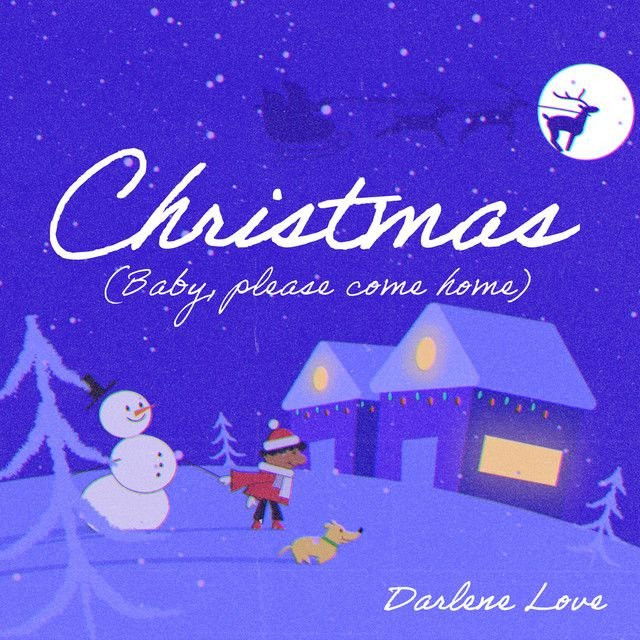
Why ‘Christmas (Baby Please Come Home)’ Feels So Lonely
The meaning of Christmas (Baby Please Come Home) Darlene Love listeners return to each year is the tug-of-war between glittering joy and private heartbreak. The record sounds like a celebration but tells a story of absence. That tension is why it endures.
"Christmas (Baby Please Come Home)" - Darlene Love
(Christmas) I'm watching it fall
(Christmas) lots of people around
Loading lyrics...
Unable to load lyrics
We're unable to display the lyrics at this time. Please try again later.
The emotional core: joy outside, ache inside
At heart, this is a love song set at Christmas. The singer sees traditions happening all around them—the snow’s coming down
, the church bells
, pretty lights on the tree
—yet none of it lands because the person they love isn’t there.
Interpretation: The holiday is a magnifying glass. It makes togetherness brighter, but it also makes loneliness sharper. The repeated plea baby, please, come home
turns seasonal cheer into a rescue flare.

Watch the official Christmas (Baby Please Come Home)
music video
Who’s speaking, and to whom?
The song uses first-person address. They’re talking straight to the person who’s missing, not to the crowd. That’s why the hook feels so immediate. Every detail is proof of what’s not happening—no shared lights, no shared memories, just the wish that the doorbell will ring.
When they say I’d hold back this tear
, they admit a crack in their hopeful front. It’s vulnerable without being bitter.
A story told in three bright beats
- The setup: Holiday scenes fill the town—snow, bells, decorations. The world is festive.
- The memory: Last year together was fun; this year the contrast hurts. Time and tradition deepen the loss.
- The plea: On Christmas Day itself, the narrator’s voice swells with urgency—please come home now.
Interpretation: The calendar itself becomes the antagonist. Every carol and streetlight reminds them of what used to be.
Why the chorus stings
They’re singing “Deck the Halls” But it’s not like Christmas at all
The chorus frames the whole song: public rituals versus private reality. Interpretation: The line isn’t anti-Christmas; it’s anti-emptiness. The season is “wrong” only because the key person is missing.
Sound as storytelling: Wall of Sound, bigger feelings
Phil Spector produced the track in 1963 using his Wall of Sound approach at Gold Star Studio. The Wrecking Crew—on drums, bass, pianos, horns, guitars, and sleigh bells—builds a dense, echoing backdrop. Arranger Jack Nitzsche layers chimes and strings, and Darlene Love’s lead slices through it all.
This scale matters. It turns a simple lyric into cinematic drama. The drums feel like church steps. The bells shimmer like snow. Love’s vocal power lifts the plea from private to universal: everyone knows what it’s like to want someone home.
From slow start to seasonal standard
The song first appeared on the album A Christmas Gift for You from Philles Records in December 1963. It didn’t take off at release, but it grew into a standard through covers, films, and radio rotation. Darlene Love’s yearly TV tradition—starting with Late Night/Late Show with David Letterman and later other programs—cemented the song as a holiday ritual in the U.S.
It even reached the Billboard Hot 100 for the first time decades later and continued to climb, peaking at No. 14 in 2026. Rolling Stone has praised Love’s vocal fire, and major artists from U2 to Mariah Carey have recorded admired versions. The rise shows how a performance tradition and cultural memory can rewrite a song’s fate.
Symbols and motifs: Christmas as contrast machine
- Weather:
the snow’s coming down
looks beautiful but feels cold without company. - Bells:
the church bells
signal community and ritual—things the narrator watches from the outside. - Lights:
pretty lights on the tree
are warmth and home, now turned into reminders. - Tears:
I’d hold back this tear
shows the pressure to stay cheerful in public.
Interpretation: The song isn’t cynical about the season. It argues for what the holiday is for—reunion—by showing what happens when it’s missing.
Why the performance sells the meaning
Love delivers urgency without self-pity. Her sustained notes make the word “please” ring like a bell. The backing vocals answer her lines like the town’s chorus—festive, almost too bright—heightening the loneliness she feels. That call-and-response is the emotional engine.
Alternate readings you can hear
- Interpretation: It’s not only romantic. The “baby” could be any loved one—a parent, child, sibling, friend, or even a community member away at work or war. That’s why the song works for so many listeners.
- Interpretation: The non-seasonal remake “Johnny (Baby Please Come Home)” hints that the core is timeless longing. Christmas intensifies it, but the ache could fit any date.
Takeaway: a joyful cry that keeps calling us back
The meaning of Christmas (Baby Please Come Home) Darlene Love fans feel is simple and deep: love completes the holiday. The record sounds like a party so that its plea cuts through the noise. That’s why it keeps finding new ears every December.
Disclaimer: Song meanings are interpretive. This analysis reflects one reading based on lyrics, performance, and documented history.









