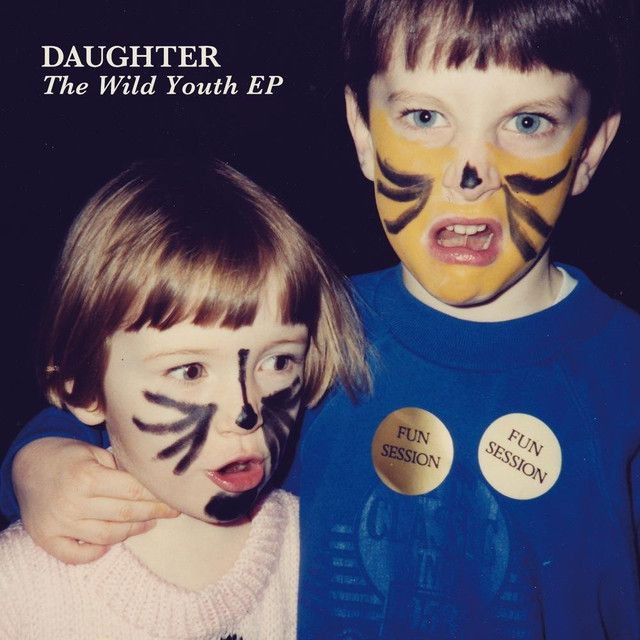
Medicine by Daughter
The meaning of Medicine Daughter centers on watching someone they care about fade under the grip of addiction. The song sounds gentle, but its message is severe. It is not really about healing at all. Instead, it uses the word “medicine” with bitter irony, turning a word tied to care into a sign of damage.
"Medicine" - Daughter
And start again
You've got a second chance
Loading lyrics...
Unable to load lyrics
We're unable to display the lyrics at this time. Please try again later.
Daughter released “Medicine” on The Wild Youth EP in 2011, and the track is widely described as a song about addiction and its effects on identity and relationships. That basic context appears in the band’s catalog history and reference material around the release. The song was also produced by Ian Grimble and later reached wider audiences through TV placements, including The Vampire Diaries and Person of Interest, which helped fix its sad, cinematic mood in listeners’ minds.
A Soft Sound Hiding a Harsh Truth
At its core, the song is a plea. The speaker addresses another person directly and tries to pull them back from self-destruction. Early on, they urge them to pick it all up
and begin again. In plain terms, they are saying there is still time to change.
That hope is immediately shadowed by denial. The repeated line it’s just medicine
sounds like an excuse someone might use to minimize a serious dependency. The phrase matters because it shows the gap between reality and what the person is telling themselves.
Interpretation: The title works because it exposes that lie. What should heal is now harming. The song’s emotional force comes from that reversal.

Watch the official Medicine
music video
Who They Are Singing To
The narrator seems to be speaking to a partner, ex-partner, or someone they once knew closely. They remember a better version of that person and hold it up against the present. When the lyric says you could still be
the person they once claimed to be, the speaker is not just criticizing them. They are grieving who this person was supposed to become.
This gives the song two emotional layers at once:
- concern for the other person’s survival
- pain over a broken relationship
- frustration with repeated excuses
- a small, stubborn belief that change is still possible
That mix is why the song feels intimate rather than preachy. They are not speaking like a stranger judging from outside. They are speaking like someone who has watched the decline up close.
The Line That Hurts Most
The song’s clearest image of damage is the contrast between inner gifts and inner collapse. The speaker says the person has a good heart and a gifted mind, but both are being worn down.
warm heart
beautiful brain
disintegrating
This short passage captures the whole tragedy. The problem is not that the person lacks value. It is that their value is being eaten away. That makes the song sadder than a simple breakup track. It is about potential being erased in real time.
Interpretation: “Brain” suggests more than physical harm. It also points to memory, judgment, personality, and selfhood. In that reading, addiction is not only hurting the body; it is unmaking the person the speaker once knew.
How the Lyrics Build the Theme
The writing is spare, but each part supports the same message. The opening offers a route out: go home, start again, escape the cycle. Then the chorus brings in the excuse: just medicine
. After that, the song returns to the person’s lost promise, making the emotional stakes personal.
The repeated shifts between “when I met you” and “when you met me” are especially smart. They suggest a relationship with shared history, but also a changing memory of who failed whom. The wording feels unstable, which fits a song about a life becoming unstable.
There is no big plot twist. Instead, the song circles the same wound. That circular structure mirrors addiction itself: repeated promises, repeated damage, repeated attempts to explain it away.
Why the Production Feels So Devastating
Part of the meaning of Medicine Daughter comes from how it sounds. Daughter’s style blends indie folk and alternative textures, and “Medicine” moves with a slow, fragile pulse. The arrangement leaves space around the voice, which makes the words feel exposed.
The guitars are hushed and drifting rather than aggressive. The drums stay restrained. Elena Tonra’s vocal delivery is one of the song’s strongest tools: they sing with control, but there is strain underneath it. That tension matters. The performance sounds like someone trying to stay calm while saying something deeply painful.
Producer Ian Grimble keeps the track atmospheric instead of dramatic. That choice helps the song avoid melodrama. Rather than telling listeners how to feel, the production lets dread spread quietly through the room.
Context, Reception, and Lasting Power
“Medicine” appeared on The Wild Youth EP, an early release that helped define Daughter’s emotionally direct style. Over time, the song found a larger audience through screen use, especially in scenes built around loss, damage, and impossible choices. That cultural afterlife makes sense: the song leaves enough room for different stories while keeping a very specific emotional truth.
Listeners often respond to it because it never turns addiction into spectacle. It focuses on the human cost: the fading of trust, identity, and future plans. Even if someone does not read the song strictly as substance addiction, the lyrics can also fit dependency, depression, or any force that slowly takes a person away from themselves.
Final Take on the Meaning
The meaning of Medicine Daughter is about loving someone who is being hollowed out by what they call relief. The song balances compassion and anger, memory and disappointment, hope and near-hopelessness.
Its genius is restraint. With only a few repeated ideas, Daughter captures the helpless feeling of seeing someone they care about slip further away while still wanting to believe they can return.
Disclaimer: This interpretation is based on the lyrics, credited release context, and the song’s sound. As with most art, listeners may hear meanings that differ from this reading.








