
She Used to Love Me a Lot by David Allan Coe
The meaning of She Used to Love Me a Lot David Allan Coe comes down to a painful realization: love from the past cannot be claimed just because it once felt secure. The song follows a man who sees a former lover, assumes old feelings are still waiting for him, and then learns he is badly mistaken.
"She Used to Love Me a Lot" - David Allan Coe
D Bm
She was sittin' in the Silver Spoon cafe
Loading lyrics...
Unable to load lyrics
We're unable to display the lyrics at this time. Please try again later.
Released in 1984 as the lead single from Darlin', Darlin', the track became a sizable country hit, reaching No. 11 on Billboard's Hot Country Songs chart, according to Wikipedia. That success makes sense. Its story is simple, but the emotional turn is sharp and memorable.
A Reunion That Starts With False Confidence
At first, the narrator believes memory is on his side. He sees the woman in a café and pauses because, as the repeated title suggests, she used to love me a lot
. In his mind, that old love is almost a guarantee. He thinks shared history can reopen the relationship with little effort.
This is what gives the song its tension. He is not approaching her with humility. He is approaching her with confidence, even entitlement. The past has become evidence in his favor, and he mistakes nostalgia for consent.
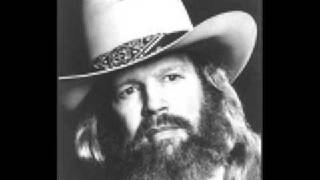
Watch the official She Used to Love Me a Lot
music video
The Real Story Beneath the Plot
On the surface, this is a barroom-country scene: a chance encounter, a bold move, and a harsh answer. Underneath, the song is about how people rewrite their own history.
The narrator remembers the love as powerful and almost permanent, especially in the chorus phrase a love that wouldn't die
. But the song quietly asks whether he ever understood that love in the first place. He is focused on what he lost, not on what he did that caused the loss.
Interpretation: the song works as a study in male self-deception. They hear him talk himself into a comeback before he has earned one. The emotional blow lands because the woman does not share his script.
How the Verses Build the Illusion
Each verse raises his confidence before the ending cuts it down.
From sighting to fantasy
He spots her through a window in the Silver Spoon café. That image matters because glass creates distance. He can see her, but he does not really know her present life. He fills that gap with fantasy.
Soon he decides that old memories
will bring her back. That phrase captures the song's central mistake. He treats memory like medicine, as if remembering good times should erase whatever pain ended the relationship.
Warmth that he reads the wrong way
When they meet, she smiles and seems glad to see him. He takes every sign as proof that he can restart the romance. Friendly recognition becomes, in his reading, a green light.
That is why the final exchange hurts. He has built his case on gestures, tone, and his own wishful thinking. The song shows how easy it is to confuse politeness with longing.
The Line That Changes Everything
The ending delivers the song's true meaning in one blunt reversal. After he suggests they can pick up where they left off, she turns him down and makes the title answer him back.
I used to love you a lot
That shift from his version of the title to hers is crucial. For most of the song, he controls the story. In one line, she takes it over. The past is real, but it has no binding power now.
Her response also exposes the difference between needing companionship and wanting him. She says she needs something, just not what he offers. That is the moral center of the song: previous love does not cancel present truth.
Why the Chorus Hurts So Much
The chorus is full of backward-looking desire. He imagines that it would take only a moment to reverse time and repair the break. That idea is deeply human, but the song treats it as fantasy.
Interpretation: the chorus is not just romantic. It is a denial stage. He is not grieving honestly yet; he is still bargaining with the past. The repeated title then sounds less like a fact and more like something he keeps telling himself because it is all he has left.
Country Production That Supports the Meaning
The recording style strengthens the lyric. The song was produced by Billy Sherrill and David Allan Coe, a pairing noted on the song page. Sherrill was famous for polished country arrangements, and that smoothness fits this track well.
The tempo is steady and unhurried, which lets the story unfold clearly. The instrumentation sits in classic country territory: gentle rhythm, crying steel guitar feeling, and a vocal delivery that carries both swagger and regret. Nothing sounds rushed. That matters because the narrator is living inside memory, stretching a short conversation into a whole imagined future.
The key rises through the song also increase pressure. Those upward moves make his hope feel larger just before it collapses. By the last section, the melody seems to push him toward an answer he does not want.
David Allan Coe's Persona and Why It Fits
David Allan Coe often recorded songs with hard edges, outsider energy, and emotionally direct storytelling. In that context, this track stands out because it is less about rebellion than embarrassment. The singer sounds sure of himself until the woman punctures that confidence.
That contrast helps explain why listeners remember it. The song gives them a familiar country narrator, then forces him into humility.
Final Take on the Song's Meaning
So, what is the meaning of She Used to Love Me a Lot David Allan Coe? It is a song about regret, ego, and the dangerous comfort of old memories. The man believes former love gives him a second chance, but the woman reminds him that love can be true in the past and still be over.
Its sting comes from that final correction. He walks in thinking history belongs to him. He walks away learning it belongs to both of them.
Disclaimer: This interpretation is based on the lyrics, recording context, and public release information. Like many country songs, it allows for more than one reasonable reading.








