
Spotlight by David Allan Coe
Why this song feels harsher than a simple fame story
The meaning of Spotlight David Allan Coe centers on a man who is seen by everyone and understood by almost no one. The song presents fame not as victory, but as exposure. The singer stands in public view, yet feels cut off, lonely, and half-numb.
"Spotlight" - David Allan Coe
All of my music is lonely yeah all of my heartaches were free
Don't waste your time or your flash bulbs too many heroes are dead
Loading lyrics...
Unable to load lyrics
We're unable to display the lyrics at this time. Please try again later.
That tension shows up right away. They describe a world of spotlights
and attention, but the attention does not bring comfort. Instead, it turns the singer into an object. People come to watch, judge, drink, and leave, while he is left with the emotional cost.
In plain terms, this is a song about the burden of being watched. It also fits Coe's long-running outlaw image: a country writer who often sounded suspicious of polite success and more interested in hard truths than clean myths. The song's core message is that public praise can still feel empty.
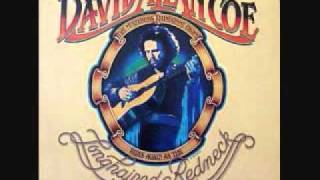
Watch the official Spotlight
music video
The central idea: fame as a trap, not a reward
At the heart of the lyric is a sharp split between public image and private pain. The singer says all that people can see is the stage glare and the performer inside it. Meanwhile, his music comes from hurt, and those hurts were earned without applause.
That is why the song's first verse matters so much. It moves from celebrity to isolation in just a few lines. A phrase like live in my head
suggests someone who retreats inward because the outer world feels fake, noisy, or intrusive.
Interpretation: They are not only rejecting fame. They are saying fame pushes them deeper into themselves. The spotlight makes them more visible, but less reachable.
Verse by verse: how the song builds its broken world
The opening section introduces the setting: cameras, city life, and a crowd hungry for a hero. But the singer quickly undercuts that image. He warns against wasting time on him, hinting that the culture of celebrity often arrives too late or after the damage is done.
Then the song turns rougher and more self-destructive. The request to be treated like he is alive is not glamorous at all. It sounds desperate. He asks for relief, stimulation, and company, but the real need beneath those lines is human feeling.
Tell all the ladies I'm single
tell Lone Star beer that I'm dry
Those lines mix swagger with collapse. One line sounds flirtatious; the next sounds like a joke about sobriety or running empty. Together, they show a man performing toughness while admitting need.
By the second verse, the loneliness is even clearer. Nights are spent in grief, mornings in solitude. The audience pays to see him, while he has spent his own resources trying to escape himself. That contrast is key: fans buy a ticket for entertainment, but the singer pays with his peace.
The chorus: anger aimed at the machine around him
The repeated plea to destroy the spotlight gives the song its emotional center. When he says nothing but jive
, he dismisses the whole fame ritual as hollow talk and false display. The spotlight is not just a lamp. It is the system that turns pain into a product.
This chorus works because it says two things at once:
- He hates being reduced to an image.
- He still wants proof that he is alive.
That contradiction makes the song feel human. He does not sound morally pure or fully in control. He sounds wounded, defensive, and aware of his own bad habits. That messiness is part of the song's honesty.
Images that carry the meaning
Several recurring images help explain the meaning of Spotlight David Allan Coe.
Light versus inner darkness
The spotlight should reveal truth, but here it does the opposite. It blinds. Public attention makes it harder, not easier, to see the real person.
City versus mind
When the singer contrasts urban life with the inside of his own head, he creates a clash between social noise and private retreat. The city stands for crowds, scenes, and performance. The mind stands for memory, hurt, and overthinking.
Drinking, drugs, and deadened feeling
References to substances are not there to make the singer seem wild in a fun way. They point to coping, numbness, and a body pushed too far. The song treats self-medication as a symptom, not a solution.
How the country sound deepens the message
Even without flashy production details, the song's style matters. Coe worked within outlaw country, a form known for plain speech, hard edges, and sympathy for damaged narrators. According to the Country Music Hall of Fame, Coe built a reputation around outlaw country writing and recording, and that context helps explain the song's distrust of polished celebrity.
The likely effect of the arrangement is directness. A steady country groove, unvarnished vocal delivery, and barroom-ready phrasing would support the lyric's weary tone. This is not a dreamy ballad about fame. It sounds more like a late-night confession from someone who has already seen behind the curtain.
Artist context matters here
Coe's career often mixed myth, provocation, and deeply personal songwriting. In a brief Britannica profile, they are described as an outlaw country singer-songwriter, which is useful context for this track. Songs in that lane often challenge respectability and expose the cost of living as a public rebel.
That matters because "Spotlight" is not simply anti-fan. It is anti-falsehood. The line everyone's livin' a lie
broadens the song from one man's misery into a social complaint. The singer is not the only one trapped in performance. The audience may be acting too.
Final reading: a confession with a snarl
The best way to read the song is as both complaint and confession. It attacks the shallow rituals around fame, but it also admits weakness, loneliness, and dependence. That balance keeps it from becoming a slogan.
Interpretation: The song suggests that being known is not the same as being loved, and being watched is not the same as being seen. That is why its bitterness still lands.
In the end, "Spotlight" sounds like a man pushing back against the image that feeds him. He knows the crowd knows his name. He is no longer sure they know anything else.
Disclaimer: This interpretation is based on the lyrics, performance context, and publicly available artist background. As with any song, listeners may hear different meanings in it.







