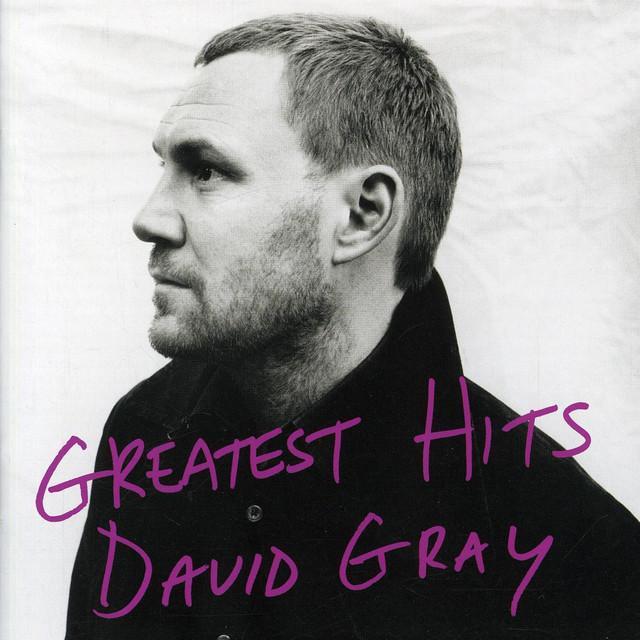
The One I Love by David Gray
The meaning of The One I Love David Gray comes through in one striking contrast: deep devotion set against images of danger, fading life, and night. Rather than present love as safe or simple, the song frames it as the one truth left when everything else is falling away.
"The One I Love" - David Gray
Girl and watch you go
Running through this life, darling
Loading lyrics...
Unable to load lyrics
We're unable to display the lyrics at this time. Please try again later.
David Gray, known for emotionally direct songwriting in the singer-songwriter lane, builds that feeling through plainspoken lines and vivid pictures. Written by David Gray and Craig McClune, the song turns a love statement into something closer to a final testament.
A Love Song Standing in the Dark
At the most basic level, the song is about someone telling a loved one what matters most. The refrain keeps returning to that single fact: the one I love
. But the verses are not peaceful. They are filled with motion, darkness, bullets, and the sense that time is running out.
That is why the chorus lands so hard. It does not sound like ordinary romance. It sounds like a person trying to say one final thing clearly before they lose the chance.
Interpretation: Many listeners will hear the narrator as wounded or dying. The line about leaking life
points that way, and the song’s tense atmosphere supports it. Whether that moment is literal or symbolic, the emotional message stays the same: love becomes clearest when everything else is stripped away.

Watch the official The One I Love
music video
The Story the Verses Seem to Tell
The first verse opens with a strange calm. The narrator says they will close my eyes
and watch the woman move through life like a snowy field. That image is soft and beautiful, but it quickly meets the arc of a tracer round and the arrival of darkness.
This matters because Gray places innocence beside violence. The loved one is seen as graceful and bright, while the world around them feels dangerous and unstable.
In the next verse, the danger comes closer. A perfect summer night is interrupted by bullets moving through leaves. The beauty of nature remains, but now it is pierced by threat. Then comes regret: there were things left unsaid.
That regret makes the refrain more than affectionate. It feels necessary.
A Quick Timeline of the Song’s Emotional Arc
- The narrator watches the beloved in a dreamlike scene.
- Violence enters the picture through tracer fire and bullets.
- The narrator realizes time is short and words were left unsaid.
- The chorus turns into a final declaration of love.
- The ending shifts into a vision of lights, dancing, and release.
Why the Chorus Feels So Final
The repeated address to the repo man
and the stars gives the song a cosmic and earthly audience at once. One figure suggests collection, debt, or reckoning. The other suggests eternity.
Interpretation: The repo man may not be literal. They may symbolize death, fate, or the force that comes to take everything back. By telling both the repo man and the stars who they love, the narrator seems to be making the statement count in every realm that matters.
That gives the hook unusual weight. It is not just “I love you.” It is “Let this be known.”
Images That Carry the Meaning
Gray packs the song with symbols that deepen its emotional pull:
- Snow field: purity, distance, and fragile beauty
- Tracer and bullets: sudden danger and mortality
- Falling dark: the approach of the unknown
- Stars above: witness, fate, or something eternal
- Bay hotel lights: a last earthly vision, warm but temporary
- Old dance floor: memory, reunion, or a final escape
The late-song turn is especially important. The narrator says they do not see heaven or hell, only bright hotel lights. That choice keeps the song grounded. Instead of offering a clear afterlife, it offers a human image: a place, a hand to hold, a dance floor, one more shared moment.
take my hand darling
on that old dance floor
Those lines suggest comfort more than doctrine. The song does not argue theology. It imagines love as the nearest thing to salvation.
How the Sound Supports the Lyrics
Even on the page, the song reads cinematically. In performance, that effect likely grows through Gray’s rough, expressive vocal style and the spaciousness typical of his singer-songwriter work. Their phrasing often makes lines feel half-spoken, half-sung, which suits a lyric caught between memory and emergency.
The imagery also implies a careful musical balance: softness around the beloved, tension around the violence, then lift during the dance-floor close. That contrast is crucial. If the arrangement stayed heavy all the way through, the song would feel only bleak. If it stayed pretty, the threat would not register.
Interpretation: The power of the track likely comes from that push and pull—beauty against danger, intimacy against the unknown. That is the emotional architecture of the song.
Two Strong Ways to Read It
Reading One: A Dying Person’s Last Words
This is the clearest reading. The bullets, the fading body, and the need to finally say what was left unsaid all point toward a final moment. In this version, the whole song is a last confession of love.
Reading Two: Love Under Constant Threat
It can also be heard less literally. The violence may stand for life’s chaos, loss, debt, and pressure. In that reading, the song says that even in a frightening world, one person remains the emotional center.
Both readings work because the chorus is simple enough to hold either one.
Why the Song Still Lingers
The meaning of The One I Love David Gray lasts because the song avoids easy comfort. It is romantic, but not naive. It is dark, but not empty.
Gray gives listeners a speaker who may be at the edge of death, or simply at the edge of clarity. Either way, they arrive at the same truth: when fear, regret, and darkness close in, love is the sentence worth repeating.
Disclaimer: This interpretation is based on the lyrics and available song context. As with many songs, individual listeners may hear different meanings in the imagery and tone.







