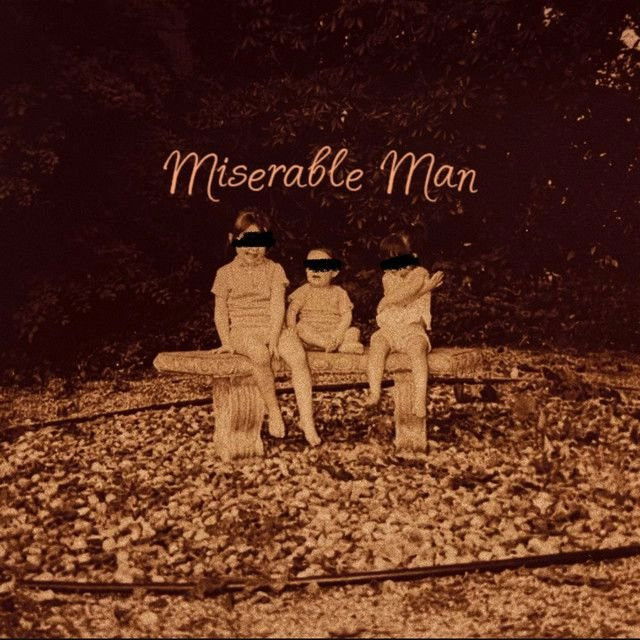
Why “Miserable Man” Hurts and Heals
The meaning of Miserable Man David Kushner comes from a simple but powerful idea: sometimes survival starts with leaving. David Kushner’s breakout ballad follows a couple who feel trapped by a small town, a hard life, and a version of themselves they no longer want to be. What makes the song hit so hard is that it does not stay in despair. It turns misery into a long, fragile kind of hope.
"Miserable Man" - David Kushner
We can't be all we want in this small town
Our life was rough so, let's make our days
Loading lyrics...
Unable to load lyrics
We're unable to display the lyrics at this time. Please try again later.
According to Songfacts, Kushner first shared a raw version on TikTok, where it quickly took off. That origin matters. The song feels intimate and unpolished in the best way, like a confession someone almost did not mean to share.
A runaway song with a home at the end
On the surface, the story is easy to follow. The opening lines set up a couple ready to escape. They want to leave the town that keeps them small and start a life on their own terms. When the song mentions run away
and dreams of a new last name, it frames love as both commitment and rescue.
Then the song jumps forward in time. Years later, the couple is okay. They have children, a house, and a routine that sounds peaceful. Dinner, grace, and gratitude replace restlessness. That shift gives the track its emotional shape: it begins with lack and ends with a version of enough.
What the chorus really means
The chorus is the key to the entire song. When the speaker says place to feel like home
, home is not just a building. It means safety, belonging, and emotional rest. The couple does not leave because they are reckless. They leave because staying would keep them spiritually stuck.
The repeated phrase miserable man
is also more complex than it first seems. It sounds like self-hatred, but it may be closer to self-recognition. He knows he is wounded. He knows he is limited. Still, he adds that he does what he can
, which turns the refrain into a statement about endurance.
Watch the official Miserable Man
music video
Small-town pain, big emotional stakes
A major theme in the song is the tension between place and identity. The town is never described in detail, yet it shapes everything. It stands for confinement, disappointment, and inherited struggle. In that sense, the small town works like a symbol. It represents any environment where people feel boxed in by money, family history, or local expectations.
Interpretation: the song is not attacking rural life itself. Instead, it focuses on what happens when a place no longer allows growth. That distinction matters, because the emotional target is not geography. It is stagnation.
Another strong theme is healing through partnership. The speaker never imagines escape alone. They move as a unit, make choices together, and later look back together. Even when the title centers one “miserable man,” the lyrics keep reminding listeners that love is the force that made change possible.
How the timeline deepens the meaning
The song works because it tells a full arc in a small space:
- A couple feels trapped.
- They decide to leave and take a risk.
- They endure uncertainty while trying to find themselves.
- They eventually build a stable life.
- The speaker still remembers the pain that shaped him.
That last part is crucial. He does not become a brand-new person with no scars. He carries the old identity into the new life. The title keeps the past alive, even as the verses describe healing.
All we wanted
was a place to feel like home
Those lines are the emotional center of the song. They condense the whole journey into one need: not fame, not wealth, just peace.
Why the sound feels so intimate
Production helps sell the song’s meaning. Songfacts notes that Abe Parker produced the track and also co-wrote it with David Alan Kushner II. The arrangement is spare and moody, built around acoustic guitar and a vocal delivery that sounds close to breaking. That stripped-back style keeps the focus on vulnerability.
The pacing matters too. Nothing about the song rushes. It moves with the patience the lyrics describe, giving each emotional turn space to land. When Kushner’s voice rises, it feels less like a pop climax and more like someone finally saying the hard truth out loud.
This is one reason the song spread so widely on TikTok. Its minimal sound leaves room for listeners to project their own stories into it. A person leaving home, grieving a past self, or trying to build a better life can all hear themselves in it.
A hopeful song disguised as a sad one
The most striking thing about the meaning of Miserable Man David Kushner is that the title points one way while the story points another. Yes, the song is full of hurt. But it is really about movement, not defeat. Even in its darkest refrain, it insists on effort, loyalty, and change.
Interpretation: some listeners may hear the song as a love story, while others may hear it as a broader tale of class, mental strain, or spiritual searching. All of those readings fit because the writing stays open and human.
In the end, “Miserable Man” resonates because it understands that healing does not erase misery overnight. Sometimes people build a good life and still carry the name of who they used to be. That tension is what gives the song its ache.
Disclaimer: This article offers interpretation based on the released lyrics, credited writers, production context, and public reporting. Song meaning can remain open to individual listeners.








