Why 'Real Gone Kid' Feels So Electrifying
For listeners searching for the meaning of Real Gone Kid Deacon Blue, the key is simple: this is a song about being shaken awake by another person’s energy. It is not just a crush song, and it is not only a pop single built for radio. It is a tribute to somebody so alive, so magnetic, that they make the narrator rethink what matters.
"Real Gone Kid" - Deacon Blue
That I've got in these books
Just to find you some words
Loading lyrics...
Unable to load lyrics
We're unable to display the lyrics at this time. Please try again later.
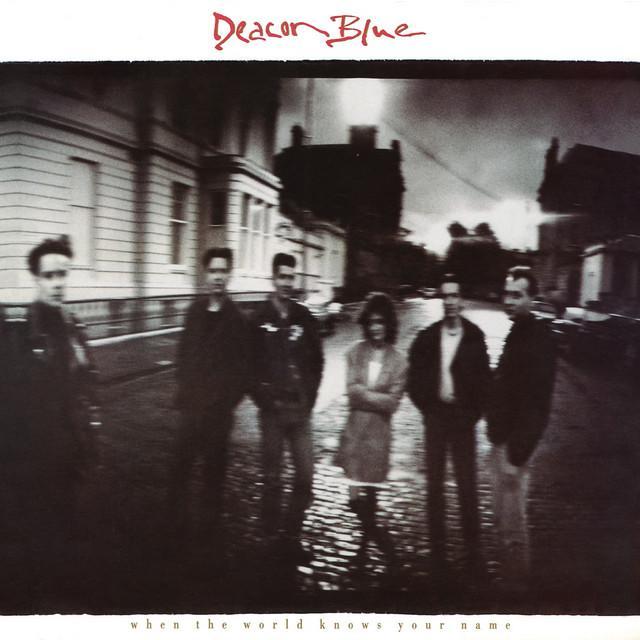
Factually, Deacon Blue released the song on October 3, 1988, as the lead single from When the World Knows Your Name, and it was written by Ricky Ross and produced by Warne Livesey with the band. It became their first UK Top 10 hit and later earned Platinum certification in the UK. Those details are widely documented by reference sources including Wikipedia and chart archives.
A Tribute Hiding Inside a Pop Hook
The most important bit of context shapes the whole song. Multiple reference sources say Ricky Ross wrote “Real Gone Kid” about Maria McKee, after seeing the former Lone Justice singer perform with a wild, commanding stage presence. That matters because the lyrics make more sense as admiration for a force of nature than as a straightforward breakup or reunion story.
When the narrator talks about tearing through books for the right words, they sound desperate to match the impact of the person in front of them. The gesture is exaggerated on purpose. They want language big enough for someone who seems impossible to contain.
That is why the title phrase real gone kid
feels affectionate rather than insulting. In this setting, “gone” suggests wildness, freedom, and a kind of beautiful chaos.

Watch the official Real Gone Kid
music video
The Verses Turn Old Memories Into Small Change
One of the smartest parts of the song is how it handles memory. The narrator offers old photos and old records as if they are meaningful treasures. Then they admit those things now feel almost empty beside this new obsession.
The phrase old 45's
points to vinyl singles, but it also signals nostalgia itself. These records once meant something. Now they are props from an earlier emotional life.
The same is true of the photographs. The singer wants to share their past, but the song quietly shows that the past has lost weight. Another short phrase, mean nothing to me
, lands hard because it flips the usual romantic script. Instead of saying memories prove love, the song says new feeling can make old memories seem dim.
What the Chorus Really Reveals
The chorus is catchy enough to sound carefree, but its emotional message is more uneasy. The repeated line maybe now baby
sounds like a promise made a little too late. The narrator is not fully in control. They are scrambling to catch up with what they now realize.
That is why the closing thought matters so much:
I'll do what I should have did
In plain terms, they are admitting failure. They should have acted earlier, spoken earlier, or understood earlier. The chorus turns excitement into regret. That tension is a huge part of the song’s appeal.
Shadow, Motion, and Being Overpowered
In the second verse, the imagery becomes stranger and more physical. The narrator says they have stood on the other person’s shadow and watched it grow. Interpretation: this suggests living near someone’s influence without ever fully reaching them.
A shadow usually implies absence or distance. But here it grows, shakes, and drives the narrator. In other words, even the outline of this person has power.
That image fits the song’s real subject: charisma. This is not just about romance. It is about what happens when somebody’s presence rewrites the emotional scale of the room.
How the Sound Carries the Meaning
Production matters a lot to the meaning of Real Gone Kid Deacon Blue. The song’s bright pop-rock surface gives the lyrics lift. Warne Livesey and the band build a clean, buoyant arrangement that keeps the track moving forward, even when the words hint at uncertainty.
The drums push with confidence. The keyboards and guitars add shine rather than heaviness. Ricky Ross sings with urgency, but not with despair. That balance keeps the song from sounding crushed by longing.
Instead, it sounds thrilled by it. The music says that being overwhelmed can feel joyful. That is one reason the single connected so strongly with audiences, reaching No. 8 in the UK and No. 1 in Spain.
More Than Romance: Two Strong Readings
There are at least two useful ways to hear the song:
- Interpretation: It is a romantic address. The narrator is trying to impress someone extraordinary and realizing they are late to the truth of their own feelings.
- Interpretation: It is about artistic inspiration. The narrator sees someone whose energy makes their own souvenirs, habits, and language seem worn out.
Both readings work because the lyrics stay open. The objects are personal, but the feeling is larger than one relationship.
Why It Still Lasts
“Real Gone Kid” lasts because it captures a familiar moment with unusual speed and brightness: the instant when admiration becomes self-reckoning. Someone walks into view, and suddenly old records, old stories, and old versions of the self no longer seem enough.
That emotional switch is the song’s real hook. It is fun on the surface, but underneath, it is about being changed by another person’s force.
Interpretation disclaimer: Song meaning is never completely fixed. This reading draws on documented background about Ricky Ross, Maria McKee, and the song’s release history, but any listener may hear different shades of attraction, tribute, or creative awe in it.








