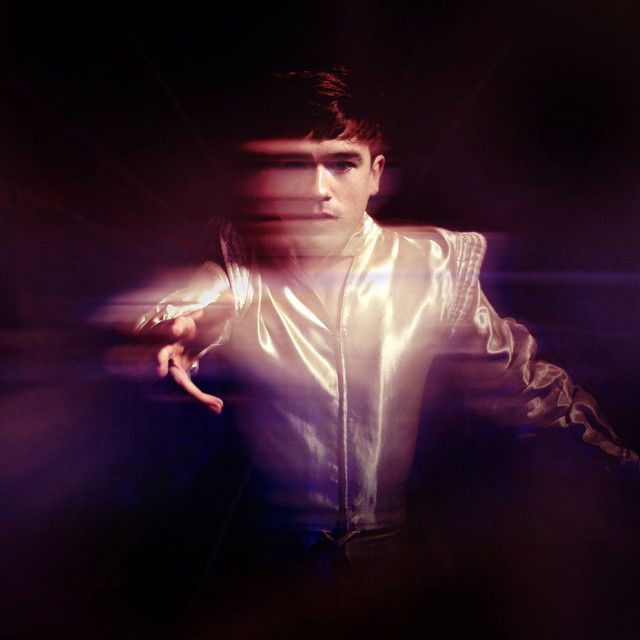
Why Declan McKenna's Sharpest Song Still Bites
For listeners searching for the meaning of The Key to Life on Earth Declan McKenna, the song lands as both catchy and cutting. It sounds bright on the surface, but underneath it is a critique of suburban life, class tension, and the pressure to fall in line.
"The Key to Life on Earth" - Declan McKenna
Roaring crowds in Manchester will manage to be told
Oh and your king
Loading lyrics...
Unable to load lyrics
We're unable to display the lyrics at this time. Please try again later.
Released on 14 April 2020 as a single from Zeros, the track was written by Declan McKenna and Max Marlow, and produced by Jay Joyce, according to available release data and credits.[1][2] McKenna also described it as a song about “mundanity and hostility,” set in suburbia much like his hometown.[1] That quote is the cleanest factual key to the song: it is about ordinary life turning cold and controlling.
A Suburban World That Feels Small
At its core, the song paints a place where people watch, judge, and sort each other. The opening images mix glamour with social performance. A phrase like dressed in gold
suggests fantasy, status, and being seen. But that shine quickly gives way to a more cramped setting of school meetings, local gossip, and social suspicion.
That contrast matters. The song keeps moving between dreams of escape and the dull rules of everyday life. Interpretation: McKenna seems to show how young people imagine bigger lives while being stuck in environments that reduce them to labels.
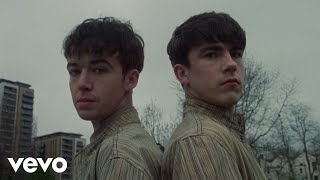
Watch the official The Key to Life on Earth
music video
What the Chorus Really Implies
The title line, the key to life on earth
, does not sound sincere. In context, it feels ironic. Each time it appears, it follows scenes of exclusion, resentment, or pressure.
So what is this “key”? The song never gives a true answer. Instead, it suggests that the world around the speaker acts as if the answer is simple: obey the system, accept the hierarchy, and stop questioning it. Interpretation: the title mocks people who think social conformity is wisdom.
School, Streets, and Social Policing
One of the song’s strongest ideas is that control begins early. The line about being held back
after school turns school into a model for society. Authority figures decide who is in trouble, who belongs, and who must explain themselves.
From there, the song widens its focus to local culture. McKenna points to fashion, streets, and casual comments as signs of deeper division. People ask where someone got their clothes, but the real issue is not style. It is class, identity, and who is treated as suspicious.
The phrase xenophobe locals
makes the song’s anger plain. This is one of its clearest political moments. The hostility is not vague teenage frustration. It is tied to prejudice and the way communities can protect sameness.
Class Frustration Sits at the Center
The song also targets privilege. When it mentions rich kids
living freely on someone else’s turf, it exposes a system where status shields some people while others feel watched or pushed aside.
That complaint fits the broader tone of the lyrics. Workers are told where to go, what to wear, and how long to keep doing it. Near the end, the song turns almost theatrical, sounding like a taunting invitation into adult routine:
Forever till you die
Forever spinning round
Those lines sum up the trap. Work, status, and obedience become a loop. The carousel image is especially effective because it looks cheerful, yet it goes nowhere. Interpretation: the song argues that many social systems are designed to keep people moving without progressing.
How the Sound Carries the Message
Part of what makes the meaning of The Key to Life on Earth Declan McKenna so memorable is its sound. Factually, the track is usually classified as indie rock, and credits show a full, layered arrangement involving guitar, bass, synthesizer, drums, backing vocals, and even xylophone among the personnel.[1]
That busy, colorful production helps the song work on two levels. First, it is immediate and hooky. Second, its bounce creates tension with the lyrics. The instrumental energy can feel almost celebratory, while the words describe boredom, class resentment, and social cruelty.
Jay Joyce’s production style gives the song movement and punch, which suits a lyric built on sharp observation. Rather than turning the track into a sad ballad, McKenna lets it grin while it complains. That choice makes the criticism hit harder.
The Video Adds a Mirror
The official video, released in April 2020, features actor Alex Lawther.[1] McKenna said the clip shows two similar people in conflict and called that the simplest analogy for the song’s purpose.[1]
That idea deepens the track. Interpretation: the conflict in the song may not only be between outsider and crowd. It may also be about resemblance—how communities reject in others what they refuse to face in themselves. The video turns social tension into a mirror game.
Why the Song Still Connects
What keeps the song fresh is its mix of specificity and openness. It mentions recognizable places, school dynamics, and workaday routines, yet the feeling is broader than one town in England. Many listeners know what it is like to live somewhere that demands sameness while pretending to offer opportunity.
That is why the song feels bigger than a complaint. It is about the moment when ordinary life starts to look like a script written by other people.
The Real Takeaway
The meaning of The Key to Life on Earth Declan McKenna is less about finding life’s secret and more about exposing fake answers. The song presents suburbia as a place of routine, judgment, and social performance, then asks listeners to notice how absurd that system can be.
Its bright music makes the message easier to enter, but the lyrics leave a sting. Interpretation: McKenna is not handing over a key. They are showing how often the so-called key is just pressure to conform.
Disclaimer: Song interpretation is partly subjective. This reading is based on the released lyrics, available credits, and McKenna’s brief public comments, but listeners may hear different meanings in the song.









