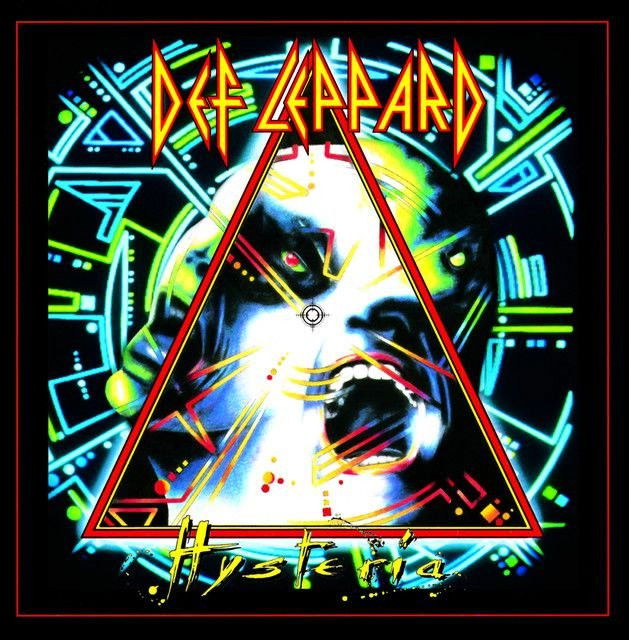
Animal by Def Leppard
Why This Hit Still Feels So Charged
The meaning of Animal Def Leppard comes down to raw desire. The song is not really about romance, trust, or long-term love. Instead, it turns attraction into something physical, urgent, and almost instinctive. From the start, the lyrics describe motion, danger, and appetite, making desire feel less like a choice and more like a force.
"Animal" - Def Leppard
Such a lust for life, the circus comes to town
We are the hungry ones, on a lightning raid
Loading lyrics...
Unable to load lyrics
We're unable to display the lyrics at this time. Please try again later.
That idea helped make “Animal” one of Def Leppard’s signature songs from Hysteria, the 1987 album that pushed them from hard rock success into pop-rock superstardom. Factually, it was written by the full band with producer Robert John “Mutt” Lange credited as a co-writer. That matters, because Lange’s style often turned simple emotional ideas into giant, polished hooks.
Watch the official Animal
music video
The Core Meaning Beneath the Surface
At its heart, the song presents lust as a primal state. The speaker is not asking for emotional security. They are chasing sensation, heat, and contact. The clearest example is the line I need your touch
, which strips the connection down to physical need.
Right after that, the lyric contrasts touch with love. That contrast is the key to the song’s meaning. It suggests a person who is so consumed by want that deeper feeling almost becomes irrelevant in the moment. The repeated word animal
is not subtle, but it is effective. It frames desire as instinctive, wild, and hard to control.
Interpretation: The song may also be about giving in to a side of the self that polite society tries to hide. In that reading, “animal” is not just sexual hunger. It is the thrill of dropping restraint and admitting what the body wants.
How the Verses Build a World of Hunger
The verses do more than describe attraction. They create an atmosphere where everything feels alive and in motion. Images of rough terrain, fire, rivers, wind, dust, and rain make the speaker seem impossible to calm. When they sing I burn for you
, the image is simple: desire is heat that keeps rising.
Another useful phrase is the hungry ones
. That line broadens the feeling beyond one person. It places the speaker in a tribe of restless people always chasing the next rush. This makes the song feel bigger than a private confession. It becomes an anthem for appetite itself.
There is also a tension between pursuit and surrender. The lyrics sometimes sound aggressive, but they also sound needy. The speaker wants control, yet also wants to be overwhelmed. That push-pull gives the song its charge.
A Chorus Built on Instinct, Not Reflection
The chorus is memorable because it is so direct. There is no long explanation, no careful storytelling, and no moral lesson. It keeps returning to wanting, needing, and lusting. That repetition matters because it mirrors obsession. When someone is consumed by desire, their thoughts often narrow.
And I want, and I need
And I lust, animal
Those lines act like a mantra. They reduce emotion to its most urgent parts. Instead of showing growth, the chorus shows fixation. That is why the song feels immediate even decades later.
The Predatory Imagery and What It Suggests
Some of the song’s language uses hunting and wild-animal imagery, including Cry wolf
. That can sound dangerous or threatening, and listeners may react to it differently now than they did in the late 1980s. In context, though, Def Leppard are using exaggerated rock language to dramatize pursuit and temptation.
Interpretation: One reading is that the song performs desire as theater. The speaker is not meant to be a realistic person delivering a healthy relationship speech. They are a glam-metal character, larger than life, acting out lust in vivid, almost comic-book terms.
That reading fits the era. A lot of 1980s hard rock played with excess, fantasy, and swagger. “Animal” turns that style into a polished pop-rock single without losing the sense of danger.
How the Sound Makes the Meaning Bigger
Production is essential to understanding the meaning of Animal Def Leppard. The song took a long time to finish during the famously difficult making of Hysteria, and its final form reflects that perfectionism. The guitars are heavy but sleek. The drums hit hard without sounding messy. The backing vocals turn the chorus into a crowd chant.
All of that supports the lyric’s theme. The sound is controlled, but it describes losing control. That contrast is part of the song’s magic. Def Leppard make lust sound massive, clean, and radio-ready.
Joe Elliott’s vocal also matters. He does not sing the words like a vulnerable confession. He pushes them with confidence and urgency, which makes the speaker sound driven rather than ashamed. The result is a song where desire becomes celebration.
Why the Song Connected So Strongly
“Animal” was the lead U.S. single from Hysteria, and it helped announce Def Leppard’s new scale. Listeners heard a band that could keep hard-rock energy while writing hooks big enough for pop radio. That crossover appeal shapes the song’s meaning too. It takes a private feeling and turns it into something communal and singable.
The reason it lasted is simple: the song understands that lust can feel thrilling, reckless, and a little absurd all at once. It does not pretend that hunger is noble. It just gives that hunger a huge beat, a giant chorus, and a name.
Final Take on Its Lasting Message
The meaning of Animal Def Leppard is the transformation of desire into identity. The speaker is not merely feeling lust; they are becoming it. Through animal imagery, repeated hooks, and a glossy but forceful arrangement, the song captures the moment when attraction overpowers reflection.
That is why “Animal” still works. It is bold, shameless, and carefully crafted enough to make raw instinct sound irresistible.
Disclaimer: This interpretation is based on the lyrics, recorded performance, and available song history. As with most songs, listeners may hear different meanings in it.