Why 'The Last One Alive' Refuses to Break
The meaning of The Last One Alive Demon Hunter comes down to one hard choice: stand alone with conviction, or give up what makes a soul whole. The song turns that choice into a dark, dramatic anthem. Rather than telling a detailed story, it builds a spiritual survival scene where the speaker feels trapped in a ruined place but still reaches for hope.
"The Last One Alive" - Demon Hunter
I swear I heard your voice beyond this side
Does anyone still try?
Loading lyrics...
Unable to load lyrics
We're unable to display the lyrics at this time. Please try again later.
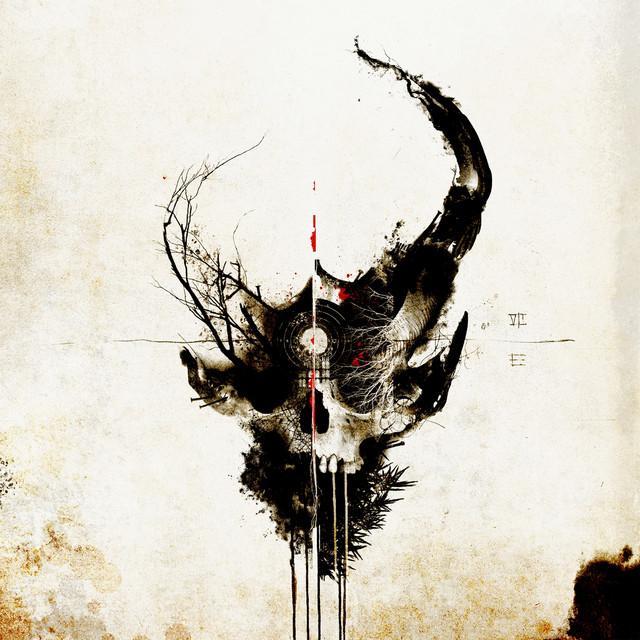
Demon Hunter released the track on Extremist in 2014, and Songfacts cites Ryan Clark describing it as part of the band’s middle ground: heavy groove, but more melodic than their usual split between singing and screaming. The same source also notes Clark praising producer Aaron Sprinkle’s work on the chorus harmonies. Those details matter because the song’s meaning is not only in the words. It is also in how the band makes defiance sound huge and strangely uplifting.
The Song’s Core Fight Is Inner Survival
On the surface, the lyrics ask survival questions. The opening wonders if anyone made it through and if anyone still hopes for something beyond the present darkness. Phrases like Did anyone survive?
and beyond this place
suggest a ruined world, but the emotional target feels deeper than a physical disaster.
Interpretation: the song is really about spiritual endurance. The speaker is not just looking for living bodies. They are looking for signs that belief, purpose, and hope still exist. That is why the song keeps returning to the fear of being emptied out rather than merely defeated.
The strongest clue is the chorus line last one alive
. In plain terms, they would rather remain the final person still standing than become a soul denied
. That sets up the song’s moral logic: loneliness is painful, but self-betrayal is worse.

Watch the official The Last One Alive
music video
A World of Falling Angels and Dying Light
The verses and refrain create a bleak setting with images of collapse, darkness, and fading time. The song describes a place where angels fall
, which makes the crisis sound cosmic, not just personal. Goodness does not seem secure here. Even bright things can be erased.
That matters because the song’s pressure comes from environment as much as emotion. This is not a casual struggle. It feels like living in a system where corruption is normal and hope burns out fast. The line about time dissolving the brightest flame pushes that idea further: even what is strong and beautiful can be worn down.
Interpretation: Demon Hunter may be using apocalyptic imagery to describe life inside spiritual exhaustion, persecution, or moral decay. The song does not fully explain the setting, and that ambiguity helps it work for different listeners. Some may hear a faith-based battle. Others may hear depression, social alienation, or the fear of becoming numb.
The Chorus Turns Isolation Into Resolve
The chorus is where the meaning sharpens. Instead of asking for rescue, the speaker accepts the possibility of being alone. They even accept the chance they may ascend before my time
, which introduces death, transcendence, or martyrdom as possibilities.
Here is the song’s one central lyric idea in compact form:
Better the last one alive
than a soul denied
Paraphrased, the message is simple: survival only matters if the self survives with it. The song refuses a hollow kind of safety. That is why the chorus feels larger every time it returns. It is not just catchy. It is a statement of values.
How the Sound Sells the Message
The production style supports that reading. According to Songfacts, Ryan Clark said the song lives in a more melodic zone, with a heavy groove and a sound closer to hard rock than straight metal. He also said Aaron Sprinkle helped push the chorus through its harmony choices.
That approach fits the lyrics well. The groove gives the song weight and forward motion, like someone forcing their way through pressure. The cleaner melodic focus makes the hook sound human and reachable instead of chaotic. And the layered harmonies make the chorus feel communal, which is interesting because the lyrics are about possible isolation. Even when the speaker fears being alone, the music surrounds them.
Interpretation: that tension may be the point. The song dramatizes loneliness in the lyrics while using harmony to suggest that conviction connects the speaker to something larger than immediate circumstances.
The Video Adds Persecution and Public Judgment
The music video points the song toward another useful reading. Songfacts reports that the clip was directed by Belief Agency and shows the band at night with torches and hooded figures. Clark said the concept explores being chastised for one’s beliefs.
That context makes the song feel less like abstract apocalypse and more like endurance under hostility. In that light, being the “last one alive” can mean being the last person still willing to say what they believe when pressure mounts. The dark outdoor setting and ritual-like imagery make judgment feel public, threatening, and intense.
Final Meaning: Strength Without Surrender
The meaning of The Last One Alive Demon Hunter is best understood as a statement of resistance. The song imagines a place where hope is scarce, goodness seems to fall, and time erodes what is bright. Yet the speaker still chooses integrity over comfort.
That is why the track remains powerful. It is not celebrating isolation for its own sake. It is saying that if the cost of belonging is losing the soul, then standing alone is the better path.
Disclaimer: This interpretation blends available artist context with close reading of the lyrics and sound. As with most songs, listeners may hear different meanings in the same words.







