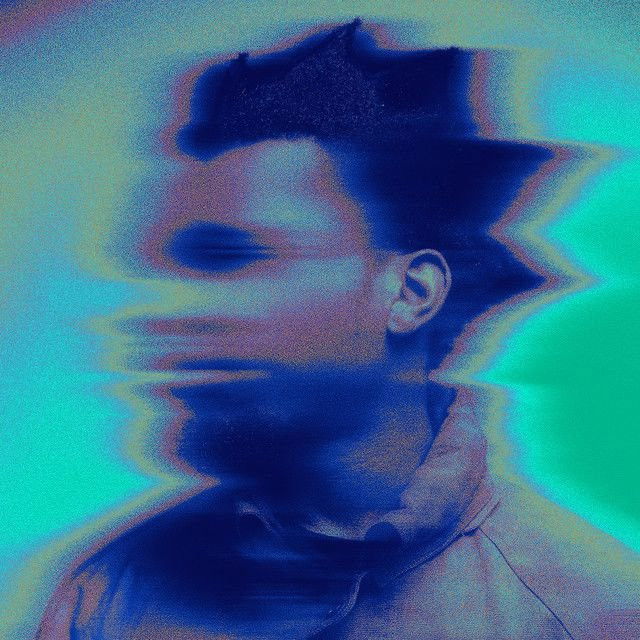
The Last by Denzel Curry
A survival song for an exhausted moment
The meaning of The Last Denzel Curry starts with one blunt idea: ordinary life no longer feels ordinary. The song is built around the fear that a normal day can turn tragic fast. Instead of focusing on one event, Curry stacks many kinds of stress together—violence, illness, substance use, online pressure, racism, and mourning.
"The Last" - Denzel Curry
So much trouble on the streets
That we need to buy a AK
Loading lyrics...
Unable to load lyrics
We're unable to display the lyrics at this time. Please try again later.
That gives the track its power. It does not sound like a neat protest song or a diary entry alone. It sounds like someone trying to stay mentally steady while the world keeps showing them reasons not to feel safe.
Denzel Curry, a rapper from Miami Gardens, Florida, has long mixed personal intensity with social critique in projects from his catalog to 2022’s Melt My Eyez See Your Future. “The Last” fits that pattern, but it is especially focused on everyday dread.
Watch the official The Last
music video
What the song is really saying
At the center of the track is the repeated warning Any day can be our last day
. Before and after that line, Curry describes why that fear feels real. He points to danger in public spaces, fear of getting sick, and the sense that America has become emotionally frozen. When he says USA is a cold place
, he is not just talking about weather. He is describing a country that feels indifferent to suffering.
The hook also links physical danger and emotional coping. The line I need AA
suggests drinking not as celebration, but as a sign of strain and possible self-medication. In plain terms, the song says survival can push people toward habits that numb them, even when those habits do not heal anything.
How the verses widen the picture
Private anxiety meets public crisis
The first verse turns from the outside world to the mind. Curry watches people die through screens, wrestles with guilt, and tries to push sin and despair away. That movement matters. He is not only afraid of events around him; he is afraid of what constant exposure does to the soul.
He also describes emotional shutdown. The song talks about distance, the inability to greet people normally, and a social life damaged by fear. Those details strongly suggest pandemic-era isolation, but they also work more broadly as signs of mistrust and disconnection.
keep your distance
can't even say hello
That brief moment captures how human contact itself starts to feel risky.
A portrait of neglect
The next images shift toward poverty and loss. Curry mentions homeless people, funerals, and loaded guns. These are not random dark details. Together, they show a country where vulnerable people are visible everywhere, but help feels absent.
Interpretation: the song argues that crisis is not one headline. It is a whole environment. In that reading, the title “The Last” points to mortality, but also to a feeling of being pushed to one’s last nerve, last hope, or last reserve of patience.
Race, image, and shallow activism
Later, Curry turns toward internet culture and politics. He describes a world where people are heavily watched, where one post can trigger backlash, and where influence does not always lead to wisdom. His frustration is not just with individuals. It is with systems that reward noise over substance.
That leads into one of the song’s clearest social critiques: anti-Black violence and performative activism. He says cops killing blacks
and then dismisses a fake revolution that is only a post. The point is sharp: public outrage online can look active without changing anything offline.
This part gains added weight in the context of Curry’s life and work. Coverage of his background notes that his brother’s 2014 death followed a police encounter, and Curry has addressed police brutality across his music and performances. That history does not reduce “The Last” to autobiography, but it does make the anger feel grounded rather than abstract.
Why the hook hits so hard
Musically, the song supports its message through repetition and restraint. The chorus returns again and again with nearly the same wording. That looping structure mirrors anxiety itself: the same fear keeps circling back.
The production does not race forward like a victory anthem. Instead, it leans on a heavy, steady rhythm and a dark melodic mood. That creates a drained atmosphere, as if the song is moving through fog. Curry’s delivery sits between rapping and weary confession, which makes the social commentary feel lived-in.
Even the small wordplay helps. The line about a North Face
turns a clothing brand into a bleak joke about coldness and lack. It is clever, but not playful for long. The joke collapses into the larger feeling that comfort, safety, and warmth are in short supply.
The strongest interpretation
The best way to read the meaning of The Last Denzel Curry is as a song about compounded pressure. It is not only about death. It is about what happens when a person is asked to process too much at once.
Three ideas drive the song:
- danger has become normal
- numbness can feel like survival
- public statements mean little without real care or action
That is why the track feels so heavy. Curry does not offer a clean solution. He documents the stress honestly and lets the repetition do the emotional work.
Why it still connects
Listeners still respond to “The Last” because it captures a recent American mood with unusual clarity. It speaks to pandemic fear, violence, racism, grief, and digital overload without pretending those experiences are separate. The song understands that for many people, they arrived all at once.
In that sense, “The Last” is both timely and lasting. It is tied to a specific era, but its deeper message is broader: when a society feels broken, people start living as if every day might be the one that changes everything.
Disclaimer: This article offers an informed interpretation based on the lyrics, artist context, and available sources. Song meaning can remain open to different listener readings.







