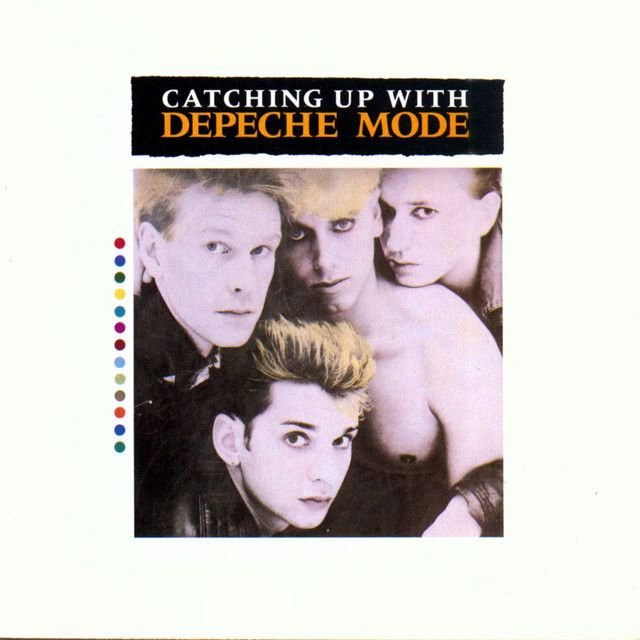
Why 'Blasphemous Rumours' Still Cuts Deep
The meaning of Blasphemous Rumours Depeche Mode comes down to one hard question: what happens to faith when life feels cruel and random? Depeche Mode builds the song around tragedy, then turns that pain into a bitter challenge to easy religious answers.
"Blasphemous Rumours" - Depeche Mode
Whole life ahead of her
Slashed her wrists
Loading lyrics...
Unable to load lyrics
We're unable to display the lyrics at this time. Please try again later.
Released in 1984 on Some Great Reward, the track was written by Martin Gore and issued as a double A-side with “Somebody” on October 29, 1984, according to contemporary release details summarized by Wikipedia. It became one of the band’s most debated songs because it takes sacred language and places it next to suffering, doubt, and dark irony.
The Core Idea Behind the Song
At its center, the song tells a story about a young woman whose life is marked by pain, survival, religious conversion, and sudden death. The point is not just to shock. It is to expose how neat spiritual explanations can sound empty when real people are grieving.
The chorus does the heavy lifting. When the singer says sick sense of humor
, the line is not a calm statement of belief. It sounds like a wounded reaction to events that seem impossible to justify. In plain terms, the song asks whether people call tragedy “God’s will” because that idea comforts them, even when it does not truly explain anything.
Interpretation: The song is less a direct attack on God than an attack on shallow certainty.

Watch the official Blasphemous Rumours
music video
Two Tragedies, One Argument
The verses are structured to build that argument carefully. First, the song presents a girl of sixteen who attempts suicide because she is bored with life
. She survives, but the emotional damage remains, and her mother is left with guilt, prayer, and helplessness.
Then the song jumps forward to a girl of eighteen who has found new life in Jesus Christ
. Instead of being rewarded with peace or safety, she is hit by a car and dies after being placed on life support. That second event gives the song its sharpest irony: even renewed faith does not protect her from random loss.
I don't want to start
any blasphemous rumors
when I die
I expect to find Him laughing
That short refrain works because it sounds half-apologetic and half-accusatory. The speaker knows the thought is taboo, but says it anyway.
What Martin Gore Was Really Questioning
Martin Gore later explained that the song grew out of his experience attending church services, even though he did not really believe. He said he found the ritual hard to take seriously, especially the “prayer list,” where people thanked God while others were dying; he described that process as “strange” and “removed from real experiences,” as quoted by Wikipedia.
That context matters. Factually, the song was written by Gore, and Depeche Mode produced it with Daniel Miller and Gareth Jones during the Some Great Reward era, per Wikipedia. The lyric is not random provocation. It comes from a specific discomfort with institutional religion and the language people use around suffering.
Dave Gahan also pushed back on the idea that the band was simply anti-religious. He said he opposed religion being forced on people, not belief itself, as quoted by Songfacts.
How the Sound Makes the Meaning Harsher
Part of what makes the song so memorable is its sound. The production is cold, synthetic, and heavy, with pounding sampled percussion and a dark electronic pulse. That mechanical feel does not soften the story. It makes it feel more brutal.
Billboard later noted the track’s “distinct, heavy percussion samples” and linked it to early industrial music. That description fits. The arrangement feels almost clinical, as if the song is observing human pain from a distance. That emotional chill reinforces the lyric’s idea that tragedy can seem impersonal.
Interpretation: The music suggests a world that keeps moving even while individuals suffer.
Why the Song Caused Controversy
The single reached No. 16 on the UK chart, according to Wikipedia, but it also drew concern because of its religious content. Depeche Mode and their label released it as a double A-side with “Somebody,” partly because of worries about backlash, as noted in the same source.
That reaction makes sense. The song touches subjects many listeners hold sacred: suicide, prayer, grief, and God. Yet its staying power comes from the fact that it does not offer easy comfort. Instead, it gives voice to feelings many people have in private but rarely say out loud.
The Lasting Meaning of Blasphemous Rumours Depeche Mode
The meaning of Blasphemous Rumours Depeche Mode is ultimately about the collision between human pain and religious explanation. The song stages that collision through family grief, failed rescue, and a chorus full of bitter irony.
Its power lies in how directly it captures a crisis of faith. They present a speaker who sees suffering, hears pious answers, and cannot make the two fit together.
That is why the song still feels alive: it understands that doubt is often born from heartbreak, not rebellion alone.
Disclaimer: This interpretation blends documented context with critical reading of the lyrics and sound. Meaning can vary from listener to listener.







