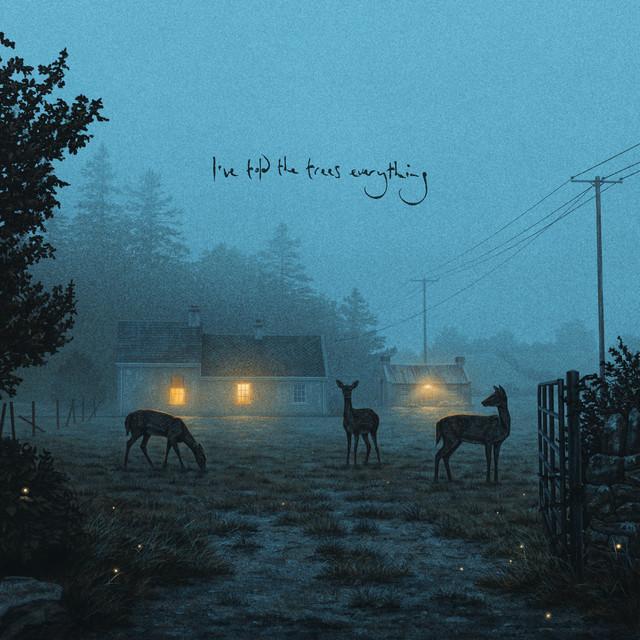
Sunday by Dermot Kennedy
A quiet breakup song that aches and heals at once, “Sunday” finds Dermot Kennedy weighing loss against gratitude. If you’re searching for the meaning of Sunday Dermot Kennedy, it’s this balance: mourning what’s gone while honoring what was real.
"Sunday" - Dermot Kennedy
Who was I to have her holding me up?
If there's some kind of sign in the stars, it wasn't revealed
Loading lyrics...
Unable to load lyrics
We're unable to display the lyrics at this time. Please try again later.
Grief without blame, love without myth
The song opens in self-questioning. With Who was I to deserve
, the narrator doubts their worth, then lists how their partner steadied them in hard times. Instead of anger, they choose respect. The key idea: the relationship ended, but its value remains.
They reject fate-talk—no clear sign “in the stars”—and admit the light they often preach hasn’t reached them yet. That honesty sets the tone. This is pain told plainly, not dressed up as destiny.
Who’s speaking, and what do they want now?
The voice is first person, looking back and talking themselves into acceptance. They try to name the beloved’s beauty and can’t. Even language fails—no phrase could match her worth—so they hold the memory instead of arguing with it.
Their goal shifts from reunion to recovery. They don’t chase closure from the ex; they chase steadiness in themselves. That’s why a promise like In time, I will heal
rings central: it’s a vow to keep living with tenderness.
The story in three scenes
- Scene 1: Doubt and devotion. The narrator recalls how their partner protected their heart and how they dreamed of a different life that didn’t arrive.
- Scene 2: The reckoning. The relationship is over, and they admit it. The wish that follows is specific and small—one more perfect day, not forever.
- Scene 3: The drive. Night falls, the road opens, and there’s a trace of relief. With
moonlight's on the open road
, they step into movement, not stasis.
The chorus is the tender heart
The refrain condenses loss into one simple wish—one last good day, one safe harbor.
The party’s over, she’s not coming back
I’d give up all the world for just one Sunday that we had
Interpretation: The “party” suggests the end of a bright, shared chapter. “Sunday” stands for rare calm, the kind of day lovers build their private world around. Wanting one more Sunday isn’t denial; it’s a kind goodbye to the past.
Symbols that do the heavy lifting
- Stars and light: Fate didn’t offer a sign, and the hoped-for “light” hasn’t arrived. This frames healing as work, not a miracle.
- Sunday: A symbol of rest and wholeness. It’s less about religion and more about a break from noise and demand.
- Party’s over: The high period has ended. No dramatic fight—just the lights coming up.
- Moonlight and open road: Gentle visibility and forward motion at night. The world is still dark, but there’s a soft guide ahead.
- Memory and place: The song values lived moments over labels, making experience the proof of love.
How the sound deepens the story
Kennedy’s vocal sits front and center, gravelly yet tender. The arrangement feels restrained—likely piano or guitar with airy textures—so words lead. Dynamics stay measured; even the chorus avoids a big crash. That choice lets grief breathe.
Production keeps space around the voice, using reverb and subtle rhythm to suggest motion without rushing it. Nothing competes with the melody’s plain sincerity. The result mirrors the lyric stance: controlled emotion, no melodrama.
Acceptance as a skill, not a slogan
Midway, the narrator pivots: they won’t trash the past just because the magic faded. That refusal to rewrite history is a mature kind of love. If someone once met them fully, the ending can’t erase that truth.
Interpretation: The song argues that worth isn’t measured by duration. A short, honest love can shape a life as much as a long, loud one. Gratitude becomes the bridge from sorrow to peace.
Other ways to hear it
- Interpretation: A eulogy for a season. “Sunday” could be any quiet ritual—coffee, a drive, a shared room—that made two people feel whole. The wish for “one Sunday” is a bid to relive that ritual, not restart the relationship.
- Interpretation: Healing as movement. The nighttime drive images suggest therapy in motion. Roads imply choice. Moonlight implies enough clarity to proceed, even if feelings still surge.
The simple takeaway
The meaning of Sunday Dermot Kennedy sits in this soft paradox: they hurt because it mattered, and they’re grateful for the same reason. They don’t ask for forever—just the grace to remember well and move on kindly.
Disclaimer: Song meanings are interpretive and may differ from the artist’s intent or listener experience.









