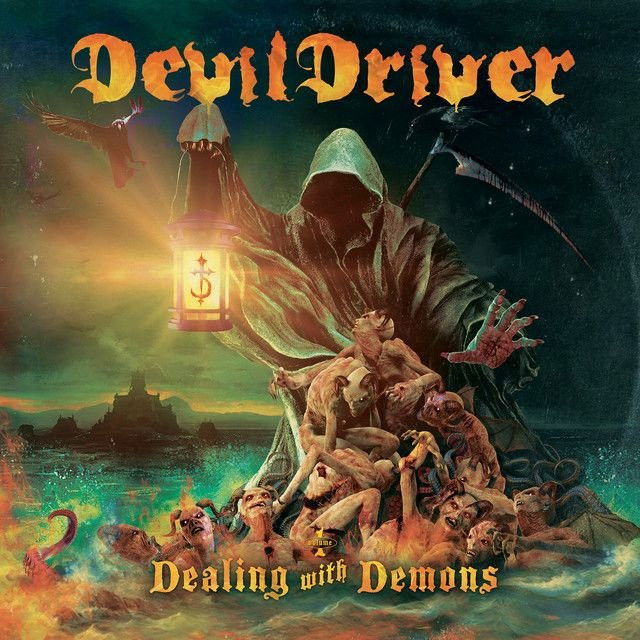
Wishing by DevilDriver
The meaning of Wishing DevilDriver becomes much clearer once listeners know it is not just a dark metal song. It is a deeply personal look at imagined loss, told through apocalyptic images and a desperate need for closeness.
"Wishing" - DevilDriver
Provided by LyricFindNothing is what it seems.
In the hanging garden, nothing is what it seems.
And no one is pardoned for the sins they receive.Loading...Loading lyrics...
Unable to load lyrics
We're unable to display the lyrics at this time. Please try again later.
A Heavy Song With a Human Core
DevilDriver are an American metal band from Santa Barbara, formed in 2002, and they are commonly associated with groove metal and melodic death metal. "Wishing" arrived during the Dealing With Demons I era in 2020, a period frontman Dez Fafara described as a way of confronting long-carried personal struggles.
Factually, the song sits inside that larger concept. In an interview with American Songwriter, Fafara said the album had to be a double project because he wanted to move on from themes he had explored for years. That context matters, because "Wishing" feels less like storytelling for effect and more like emotional excavation.
Watch the official Wishing
music video
What the Song Is Really About
At its center, the meaning of Wishing DevilDriver is grief imagined before grief happens. Fafara told American Songwriter that he wrote the song while exploring what it would be like to lose his wife. He later connected it to what he called the "demon of loneliness."
That explanation helps decode the lyrics. The song is full of collapse, dread, and ruin, but those images serve one emotional purpose: they dramatize what absence feels like. When the chorus repeats Wishing you were here
, it strips away metaphor and says the real fear out loud.
Interpretation: They are hearing someone stand at the edge of emotional disaster, trying to pull a loved one back into reach, even if only in memory or imagination.
The Voice Inside the Chaos
The speaker sounds protective and desperate at the same time. Early on, they offer a hand from a lost place and promise to guide someone through darkness toward safety. That creates a strange tension.
On one hand, they sound like a rescuer. On the other, they also seem trapped in the same nightmare. Phrases like nothing is what it seems
and we're all filled with dread
make the world unstable, almost dreamlike.
Interpretation: The speaker may be trying to save another person, but they may also be trying to save themselves by imagining connection.
Decoding the Song’s Biggest Images
The lyrics build meaning through symbols rather than plain narration. A few stand out.
The hanging garden
The repeated image of the hanging garden
sounds beautiful at first, but the song turns it into a place of distortion and decay. Later, it becomes a space where the dead flowers bloom
. That contradiction suggests beauty surviving in corrupted form.
Interpretation: This could represent a relationship remembered during crisis, or a mind trying to keep love alive inside despair.
Mirrors and false faith
When the song says break all your mirrors
, it seems to reject self-deception, vanity, or the need for easy answers. The nearby line about God not dwelling there adds spiritual emptiness.
Together, these ideas imply a world where old comforts no longer work. The speaker cannot rely on religion, appearances, or certainty. Only emotional connection remains.
Darkness and safe space
The promise to lead someone through darkness to safety is one of the song’s most important moves. It suggests care, loyalty, and endurance.
I will lead you through darkness
to that very safe space.
Paraphrased, the song keeps saying that even in ruin, love still tries to guide and protect. That is what gives the track its emotional force.
Why the Chorus Hurts So Much
The chorus is simple, which is exactly why it lands. After verses packed with rotting flowers, collapsing humanity, and cosmic dread, the hook reduces everything to one need: presence.
There is no clever twist in you were here right now
. It is plain speech, almost childlike in its honesty. That simplicity makes the pain feel immediate.
Interpretation: The chorus works because it sounds like the thought someone has when fear finally becomes too big for symbols.
How the Sound Carries the Meaning
Musically, "Wishing" stands out in DevilDriver’s catalog because it softens parts of the attack without becoming gentle. Fafara told American Songwriter that the clean verse style drew from goth and post-punk influences like Sisters of Mercy and Bauhaus.
That detail matters. Clean verses expose vulnerability, while the heavier sections preserve DevilDriver’s force. The result is a push-pull between intimacy and threat. The guitars still feel ominous, the drums still hit with weight, but the arrangement leaves more emotional space than a nonstop barrage would.
This contrast mirrors the lyrics. The song is about tenderness under pressure, so the production lets both feelings exist at once.
Alternate Ways to Read It
Fafara’s own explanation gives the strongest factual reading: the song imagines losing his wife and facing unbearable loneliness. Still, the lyrics are broad enough to allow other meanings.
Interpretation 1: It can be heard as a song about mourning someone who is emotionally distant, not physically gone. The repeated wish for presence fits separation of many kinds.
Interpretation 2: It may also describe a mental health crisis. The ruined landscape, broken mirrors, and dread-filled universe sound like inner collapse as much as outer catastrophe.
Both readings still support the same core idea: love becomes the last stable thing in an unstable world.
Final Take on the Meaning
The meaning of Wishing DevilDriver lies in how it turns metal’s dark imagery into something painfully personal. Beneath the gloom, this is a song about needing one person so deeply that their absence makes the whole world feel unreal.
That is why "Wishing" lasts. It is heavy, but not only in sound. It is heavy with attachment, fear, and the hope that someone can still be led out of darkness.
Disclaimer: This interpretation combines documented artist comments with lyrical analysis. As with any song, listeners may connect with meanings beyond the artist’s stated intent.









