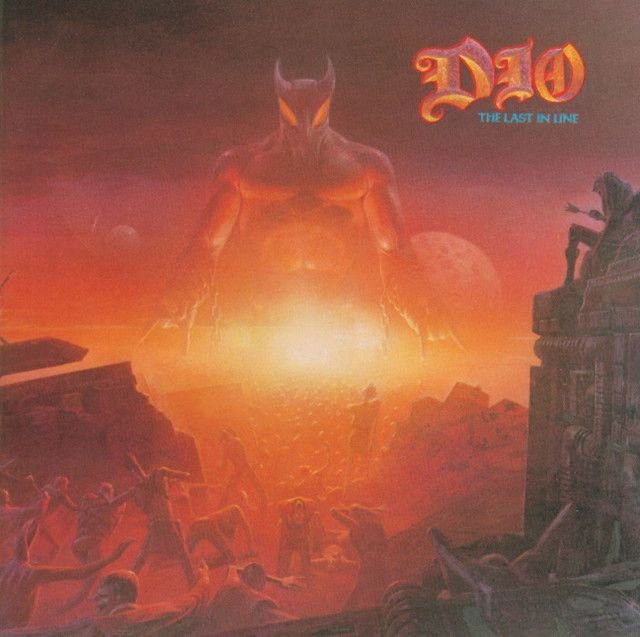
Eat Your Heart Out by Dio
Dio’s “Eat Your Heart Out” turns a breakup into a battle scene. The song does not sound sad in a soft way. It sounds wounded, proud, and ready to walk away. For listeners searching for the meaning of Eat Your Heart Out Dio, the clearest answer is this: it is a song about escaping a destructive relationship and refusing to stay trapped by charm, desire, or manipulation.
"Eat Your Heart Out" - Dio
Through the desert of your soul
I've looked high and low for water
Loading lyrics...
Unable to load lyrics
We're unable to display the lyrics at this time. Please try again later.
A Breakup Song with Steel in It
At the center of the song is a speaker who has been drained by someone they once wanted badly. Early lines describe a long search for emotional relief, using desert imagery to show emptiness. When they mention a desert of your soul
, the idea is not just loneliness. It suggests the other person is spiritually barren, unable to give real care back.
The next emotional turn is important. The singer remembers false hope, especially in the image of promises that should have brought renewal. Instead of warmth, those hopes become cold lies. That shift sets up the song’s main act of resistance: they stop waiting to be loved correctly and decide to leave.

Watch the official Eat Your Heart Out
music video
Who the Singer Seems to Be Addressing
This is a direct address song. The speaker talks to a lover, but not with tenderness. They confront someone who is seductive, selfish, and controlling. The repeated insult bad, bad girl
is not subtle, but it tells listeners how the narrator sees the relationship by the end: not romantic, not mysterious, just harmful.
Interpretation: The song’s addressee may be a literal partner, but Dio’s writing often works on two levels. This person can also represent temptation itself: something thrilling that keeps taking and never gives enough back. That broader reading fits the song’s grand, dramatic language.
The Chorus Turns Pain into Defiance
The hook is one of the song’s sharpest moves. When the singer says eat your heart out
, they are not asking for reconciliation. They are throwing the other person back onto their own hunger. In plain terms, the speaker seems to say: if they were always driven by need, possession, and appetite, then they can choke on that emptiness now.
That is why the chorus feels cruel but also liberating. The singer has suffered, yet the refrain refuses self-pity. Instead, it sounds like emotional revenge mixed with self-protection. They may still be angry, but they are no longer trapped.
Cages, Chains, and the Velvet Trap
One of the song’s strongest images is the idea of imprisonment. The line about a velvet jail
matters because it combines comfort and captivity. This was not a prison made of obvious violence. It was attractive, smooth, and tempting. The relationship held the speaker through pleasure as much as pain.
That idea grows darker with images of spinning cages, woven chains, and a jailer. The song suggests a pattern: seduction first, control second. In other words, the trap is designed to feel exciting before it feels deadly.
Spinning cages for her pleasure
Weaving chains to hold the prize
Those lines present love as possession. The person being addressed does not just want affection; they want ownership. The speaker sees through that system by the end.
How the Story Moves from Weakness to Release
The emotional timeline is easy to follow:
- They begin exhausted and spiritually thirsty.
- They realize the promises were false.
- They admit they were trapped in an alluring prison.
- They reclaim strength and announce the end.
That third stage is key. The singer openly says they were a prisoner, which gives the later defiance real weight. This is not empty swagger. It is the voice of someone who finally understands what happened to them.
Why Dio’s Sound Matters Here
Dio recorded this music during the band’s classic early-1980s era, with Ronnie James Dio alongside Vivian Campbell, Jimmy Bain, and Vinny Appice, a lineup central to the band’s early catalog. The track’s heavy rock attack supports the lyric’s emotional pressure. Thick guitar riffs, a driving rhythm section, and Dio’s commanding vocals make the song feel like confrontation in motion.
There is also a theatrical quality that was typical of Ronnie James Dio, whose career after Black Sabbath leaned into fantasy, power, and moral struggle. Even when the subject is a relationship, he sings it like a showdown between forces. That style makes the personal feel epic.
Two Strong Ways to Read the Song
Interpretation 1: A toxic romance ends. This is the simplest reading, and the lyrics support it directly. The singer has been used, tempted, and controlled by a selfish partner. The song ends with rejection.
Interpretation 2: Desire itself is the villain. The recurring hunger, cages, and loss of control suggest a larger warning about surrendering to destructive passion. In this reading, the “girl” is partly a symbol for obsession.
Both readings can work at once, which is part of the song’s appeal.
Why the Song Still Lands
The meaning of Eat Your Heart Out Dio lasts because it captures a common feeling in a larger-than-life way. Many breakup songs ask for closure. This one takes closure by force. It shows how people can wake up inside a beautiful trap, then leave with anger still burning.
That mix of pain and power is what gives the song its punch. It is not about healing after the storm. It is about choosing the exit while the fire is still hot.
Disclaimer: This interpretation is based on the lyrics, musical context, and publicly available artist history. As with most songs, listeners may hear different meanings in the same lines.







