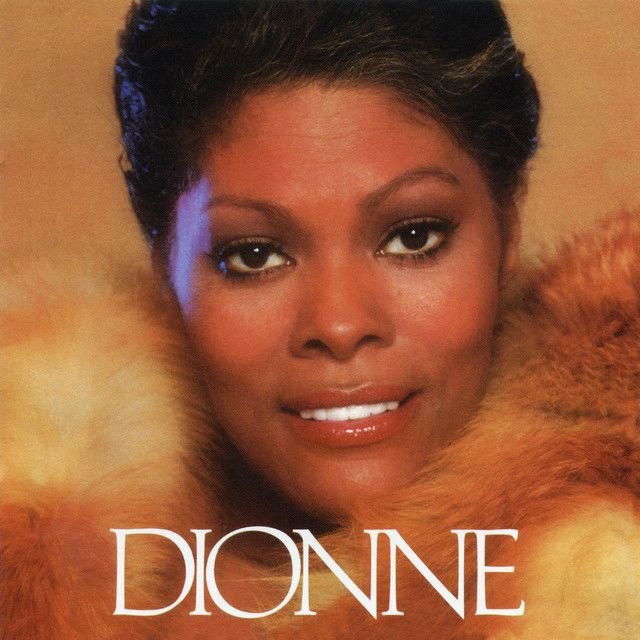
Why Dionne Warwick's Hit Still Hurts
The meaning of I'll Never Love This Way Again Dionne Warwick comes down to one powerful idea: some relationships are so life-changing that even if love returns later, it will never feel quite the same. The song does not simply mourn a breakup. It honors a bond while facing the fear that its best days may already be passing.
"I'll Never Love This Way Again" - Dionne Warwick
Something no one else had ever found a way to do
I've kept the memories one by one, since you took me in
Loading lyrics...
Unable to load lyrics
We're unable to display the lyrics at this time. Please try again later.
Dionne Warwick turned that feeling into one of the biggest songs of her late-career comeback. Released on her 1979 album Dionne, the single reached No. 5 on the Billboard Hot 100, earned RIAA Gold certification, and won Warwick the 1980 Grammy for Best Female Pop Vocal Performance (Wikipedia). Those facts matter because the performance helps explain why the song lasted: it sounds both personal and universal.
A Love Song Shadowed by Loss
At its core, the song is about rare emotional recognition. The speaker looks back at a partner who seemed to understand their inner world, almost as if that person reached into private dreams and made them real. When the lyric mentions inside my fantasies
, it suggests more than romance. It points to deep emotional intimacy.
That is why the title line hits so hard. Never love this way again
is not just a promise of lifelong sadness. It is an admission that this relationship set a standard no future love may meet. The song treats love as something specific, not generic. Another partner may come along, but not this exact feeling, timing, or sense of being known.
Watch the official I'll Never Love This Way Again
music video
The Speaker Chooses Memory Over Denial
One of the song's most mature ideas is that the speaker does not want to become trapped in regret. In the second verse, they warn against living in the past, using the idea of a fool who sacrifices tomorrow for yesterday. That line shifts the song from pure heartbreak to emotional wisdom.
Instead of begging, blaming, or collapsing, the speaker chooses to remember how good it's been
. That matters. They are not pretending the relationship was perfect forever. They are saying its goodness was real, and that truth deserves respect.
This makes the song feel steady rather than desperate. Even the repeated hold on
can be heard two ways: holding on to the relationship while it lasts, or holding on to its meaning after it changes. Interpretation: that ambiguity is part of the song's power. It lives in the tense space between presence and loss.
How the Verses Build the Emotional Arc
The narrative is simple but effective:
- The speaker begins with gratitude for a love that felt unique.
- They admit they have preserved the memories carefully.
- They face the possibility that the relationship may end.
- They decide to value the experience instead of fighting reality.
That structure gives the song its emotional control. The first verse is almost amazed. The second is wiser and sadder. By the time the chorus returns, before the good is gone
feels like the key thought. The song is not only about what was lost. It is about recognizing value before loss is complete.
Why Warwick's Performance Makes It Believable
Warwick's version was produced by Barry Manilow for her Arista debut, a major turning point after a less successful period at Warner Bros. (Wikipedia). Manilow's style fits the song well: polished, melodic, and emotionally clear without becoming too heavy.
The arrangement blends pop and soul in a way that supports the lyric's dignity. The tempo is measured, the orchestral touches feel warm, and the chorus lifts without exploding. That restraint is crucial. A bigger, more theatrical performance might have turned the song into pure melodrama.
Warwick does the opposite. They deliver the lines with calm control, which makes the hurt sound lived-in. The vocal does not scream pain; it reveals acceptance. In a song about once-in-a-lifetime feeling, that kind of poise makes the emotion seem more truthful.
The Chorus Turns Memory Into Fate
The chorus is where the song's meaning sharpens. Repetition matters here. Each return to the title sounds less like exaggeration and more like realization. The speaker is not trying to convince someone else. They are arriving at a truth they can barely stand.
I know I'll never love this way again
So I keep holdin' on
before the good is gone
This is the song's emotional center. It combines certainty, fear, and tenderness in just a few lines. The speaker knows they cannot force time to stop, but they still want to protect what remains.
A Career Comeback Wrapped in Adult Emotion
Part of the song's staying power comes from context. In 1979, Warwick was not being introduced as a young romantic lead. They were an established artist singing to adults who understood love as memory, timing, and consequence. That perspective helped the single reconnect Warwick with a wide audience, especially on pop and adult contemporary radio.
The song also sits comfortably in the soul tradition named in its credits, but it crosses into pop through its elegance and accessibility. Written by Richard Kerr and Will Jennings, it gives Warwick room to sound reflective rather than flashy. That balance is a big reason the record still feels timeless.
The Best Way to Read the Ending
Interpretation: the song is not saying a person will literally never love anyone again. It is saying that one chapter of love can be so defining that everything after it feels different. That is a subtler and more human claim.
So, the meaning of I'll Never Love This Way Again Dionne Warwick is about the emotional uniqueness of one profound relationship. It honors both the joy it gave and the ache of knowing it cannot be recreated.
That mix of gratitude and grief is why the song still resonates. It understands that sometimes the saddest truth is also the most beautiful one.
Disclaimer: This interpretation is based on the song's lyrics, recording context, and performance choices. As with any art, listeners may hear its meaning differently.









