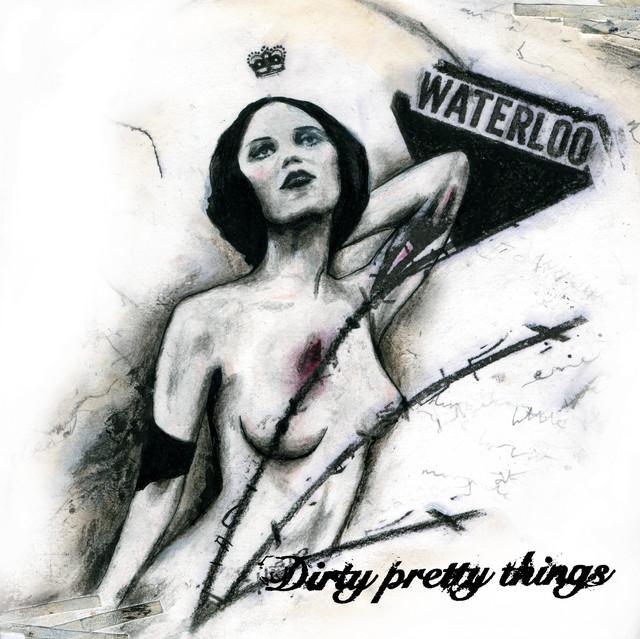
Bang Bang You're Dead by Dirty Pretty Things
A fast, bitter song with two possible targets
The meaning of Bang Bang You're Dead Dirty Pretty Things starts with conflict. On the surface, the song sounds like a direct attack on someone who spread lies, poisoned a relationship, and left emotional damage behind. It is full of accusation, shock, and wounded pride. But the track has long carried a second reading too: it may also be about killing off a darker version of the self.
"Bang Bang You're Dead" - Dirty Pretty Things
That I was right at the start
About the seeds of the weeds
Loading lyrics...
Unable to load lyrics
We're unable to display the lyrics at this time. Please try again later.
That double edge matters. Dirty Pretty Things released the song in 2006 as the first single from their debut album Waterloo to Anywhere. Coming right after the collapse of the Libertines lineup as fans knew it, listeners naturally heard it as a message from Carl Barât to someone from that past. The song’s commercial success, including a No. 5 peak in the UK, only made the speculation louder.
Watch the official Bang Bang You're Dead
music video
What the lyrics seem to say first
At the lyric level, the narrator sounds betrayed but not surprised. They claim they knew all along
that something ugly was growing inside the other person. That idea of hidden corruption becomes one of the song’s strongest themes: distrust is not sudden here, but confirmed.
The early verse paints the other person as destructive from the inside out. Words like weeds, spite, lies, and factions suggest that this is not just a broken romance. It feels like a social collapse too, as if gossip and sides have formed around the fallout. When the singer asks what did you expect?
, the question feels less curious than furious. They are pushing back against blame.
The chorus then turns that emotional hurt into a blunt, almost cartoon-violent hook: Bang bang you’re dead
. Paraphrased, the line does not need to mean literal violence. In context, it sounds more like social death, emotional severing, or the final end of trust.
The rumor angle: was it about Pete Doherty?
For many fans, the song’s first obvious reading was biographical. Dirty Pretty Things formed after Barât and Gary Powell left the Libertines, so listeners connected lines about betrayal and public rumor to that split. One especially loaded image, Midas touch
, fed the idea that the narrator helped build someone’s fame only to be hurt in return.
There is real context behind that reading. According to Songfacts, Barât told The Guardian in 2006 that if he wanted to attack Pete Doherty directly, he would have named him. In that same explanation, he said the song was really about himself, specifically about “shooting the Evil Carl” and moving on.
That quote does not erase the interpersonal reading, but it changes the center of gravity. Factually, fans linked the song to Doherty. Artist intent, however, points inward.
A stronger interpretation: killing the “Evil Carl”
Interpretation: The most interesting reading is that the song turns a breakup anthem into a self-exorcism. Instead of addressing only another person, the narrator may be speaking to a destructive inner self: paranoid, bitter, passive, and easy to manipulate.
That reading fits the line I’m so easily lead
. The singer is not only accusing someone else; they are admitting weakness. That confession opens the song up. It becomes less about revenge and more about shame. They knew trouble was coming, but they still let it happen.
This also makes the repeated command to put rumors and illusions to rest feel more psychological. The goal is not just to silence a rival. It is to bury a toxic cycle.
There was nothing but spite
Fury and lies
In paraphrase, that brief passage sums up the emotional climate: the bond has become so poisoned that the only way forward is total separation.
How the chorus turns pain into theater
One reason the song lasts is that it sounds huge, catchy, and almost playful while dealing with nasty emotions. The title phrase is simple enough to chant, but the feeling behind it is harsh. That contrast is important.
Interpretation: The chorus works like emotional theater. By using a phrase that sounds like a childhood game or a pulp-gangster taunt, the band turns humiliation into swagger. The narrator may feel wrecked, but the performance refuses to sound defeated.
That is why the song feels both wounded and triumphant. It is trying to win back control through style.
Why the music matters as much as the words
Produced by Dave Sardy with the band, the recording moves with sharp guitars, pounding drums, and a clipped, urgent vocal. There is very little softness in the arrangement. Everything pushes forward.
That sound supports the meaning perfectly. The guitars slash rather than shimmer. The rhythm section gives the song a chase-like pulse. Barât’s delivery sounds ragged enough to feel believable, but catchy enough to turn private anger into a public singalong.
This balance was a key part of Dirty Pretty Things’ identity. They kept the messy, streetwise energy associated with post-punk and garage rock, but they shaped it into something more direct and radio-ready. In this song, that means the production does not soften the bitterness; it packages it into momentum.
Final takeaway on the song’s meaning
So what is the meaning of Bang Bang You're Dead Dirty Pretty Things? Most likely, it is a song about betrayal, rumor, and emotional severing that can be heard in two ways at once: as a swipe at a damaged relationship and as a dramatic attempt to kill off a darker self.
That ambiguity is the point. The lyrics never fully lock the target in place, which lets the song feel both personal and universal. Whether listeners hear an ex-friend, a former bandmate, or an inner enemy, the emotional truth stays the same: trust has died, and they are trying to survive the wreckage with noise, speed, and attitude.
Disclaimer: This interpretation combines lyrical analysis, artist comments, and historical context. As with many songs, some meanings remain open to listener interpretation.







