Why ‘Where’d All the Time Go?’ Still Hits Hard
The meaning of Where'd All the Time Go? Dr. Dog starts with a feeling almost everyone knows: one day life seems wide open, and the next it feels like years have vanished. Dr. Dog turn that feeling into a song that is gentle, strange, and quietly devastating.
"Where'd All the Time Go?" - Dr. Dog
It's starting to fly
See how the hands go
Loading lyrics...
Unable to load lyrics
We're unable to display the lyrics at this time. Please try again later.
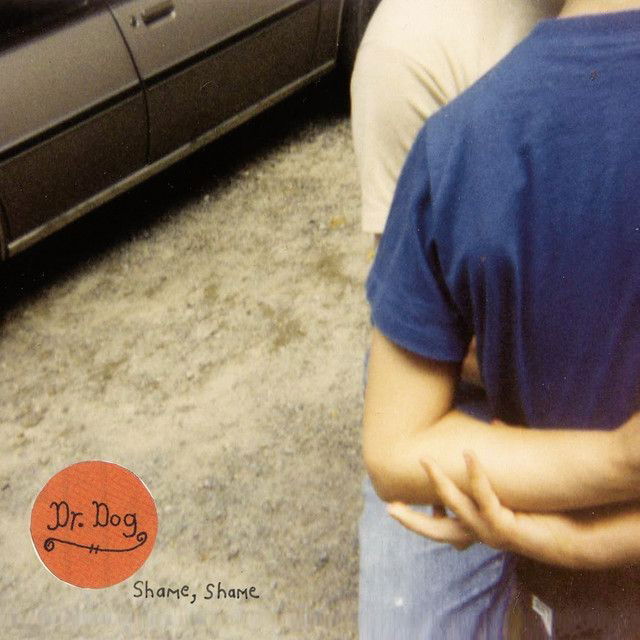
Released on Shame, Shame in 2010, the track has grown far beyond its original album life. According to Songfacts, the song was first written and recorded years earlier before finally resurfacing on the record. That backstory fits the song perfectly. Even its history carries the idea of lost time.
A Song About Time Slipping Away
At its core, this is a song about aging, memory, and mortality. The opening hook, Where'd all the time go?
, is not just a question about being busy. It sounds like a person waking up to the fact that life moves faster than expected.
The next images make that feeling physical. Time is described as if it has hands and motion, waving goodbye
. Instead of being a neutral clock on the wall, it becomes something active, already leaving. That is why the song feels both nostalgic and uneasy.
Interpretation: the narrator is not only mourning the past. They are shocked by how little control anyone has over time once they notice it passing.

Watch the official Where'd All the Time Go?
music video
Love, Memory, and Forgetfulness
One of the smartest turns in the lyric is how romance enters the picture. The singer says they get forgetful when looking into someone’s eyes. In plain terms, love can make people lose track of time. It can also make memory less reliable.
That gives the song two emotional lanes at once:
- love makes time feel beautiful
- love makes time disappear
- love makes loss hurt more later
So the song is not cold or philosophical. It stays personal. The passing years matter because they are tied to relationships, to shared mistakes, and to the fear that precious moments cannot be held in place.
The Dreamlike Images Mean More Than They First Seem
Dr. Dog fill the verses with surreal pictures. A woman walks backward through a parade. Someone is stuck in shadow. There is no way to clean up the damage. These are not literal scenes so much as emotional snapshots.
Interpretation: walking backward suggests living inside memory, or moving through life while facing the past. Being stuck in shadow suggests regret, confusion, or emotional paralysis. The line about the mess they made hints that time does not just carry away happy moments. It also leaves behind consequences.
The song’s most famous odd image may be dressed up like a pillow
. It sounds playful at first, but the next thought connects it to bed, illness, and stillness. Soon the song mentions hospitals and funeral homes
, which pushes the theme from nostalgia into mortality.
That shift matters. The song begins with lost time, but it ends up asking what time is carrying everyone toward.
A Chorus Built on Contradiction
The chorus offers a brief lift. It says nothing can stop a person from falling in love, and it compares that force to puzzle pieces and a glove fitting a hand. In simple terms, love feels natural, inevitable, and whole.
There's nothing to keep you
From falling in love
This is the song’s only moment of open warmth. Yet even here, Dr. Dog place tenderness inside a song haunted by decline. That contrast is the point. Love gives meaning to life, but it does not stop time. If anything, it makes time feel more precious because people know it cannot last forever.
How the Sound Carries the Meaning
Part of the power of this song comes from how it sounds. Dr. Dog are known for mixing indie rock with psych-pop, classic pop melody, and a loose, lived-in warmth. On their Shame, Shame album page, the band presents the record as part of a broader era where their homespun style met darker emotional shading.
Here, the arrangement supports the lyric in several ways:
Soft grooves, heavy ideas
The rhythm does not rush, but it keeps moving. That steady pulse mirrors time itself: calm, unstoppable, indifferent.
Hazy vocals, blurry memory
The vocal blend feels slightly distant, almost fogged over. That makes the song sound like recollection rather than direct confession.
Bright melody, dark subject
The tune is catchy and warm even when the words point to death and disappearance. That tension is why the track lingers. It sounds comforting while saying something frightening.
Why the Song Found New Life Years Later
The song gained a major second life in the 2020s. Songfacts notes that it went viral on TikTok in 2021, often used with transformation videos that moved from childhood to the present. It also appeared in Outer Banks, which introduced it to a wider streaming audience.
That renewed popularity makes sense. The song is unusually flexible. Teen listeners hear it as a song about growing up too fast. Older listeners hear middle-age shock and the nearness of death. Almost anyone can hear their own life in the question.
The Best Way to Read the Ending
By the final lines, the imagery becomes blunt: someone is gone in an instant, blink of an eye
. That phrase brings the whole song together. Time feels slow while people are living through it, then suddenly their lives look brief.
Interpretation: the song is not purely hopeless. Its sadness is also a reminder to notice the present before it becomes memory. The title question hurts because life matters.
Final Take on the Meaning
The meaning of Where'd All the Time Go? Dr. Dog is the shock of realizing that love, youth, health, and even identity are temporary. Through surreal images and a warm, drifting sound, Dr. Dog make that truth feel intimate instead of abstract.
That is why the song endures. It does not lecture. It simply captures the moment when someone looks up and realizes time has been moving all along.
Disclaimer: This interpretation is based on the song’s lyrics, recorded context, and public reporting. As with most great songs, listeners may hear different meanings in its images and emotions.







