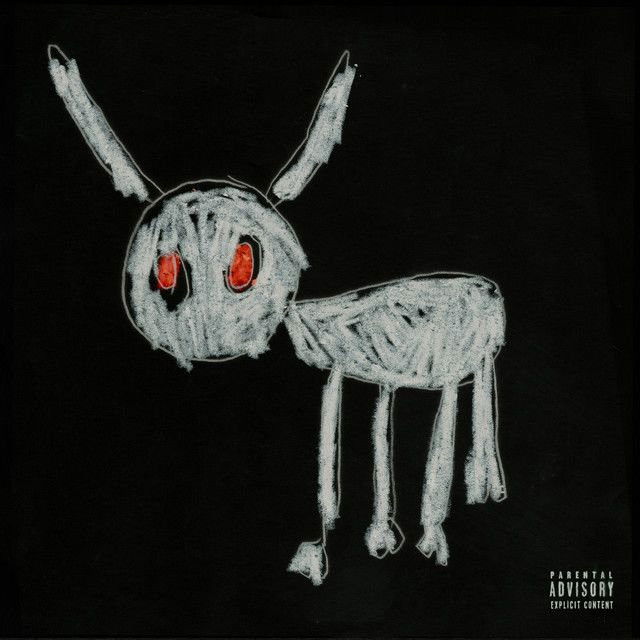
Daylight by Drake
Drake’s Daylight swings between menace and play. The hook is blunt and shocking, but the song keeps winking at its own performance. For listeners searching the meaning of Daylight Drake, the track reads as a persona piece about exposure, power, and rumor—set against the reality that he is also a father.
"Daylight" - Drake
You know why?
You don't have the guts to be what you wanna be
Loading lyrics...
Unable to load lyrics
We're unable to display the lyrics at this time. Please try again later.
What the Song Is Really Saying in Plain Terms
At its core, Daylight is Drake asserting control in public. He frames himself as the person others point at while he keeps, in his words, standin' on business
. That phrase anchors the song’s posture: he does what he says, in full view.
The verses stack flexes, threats, and jokes to project fearlessness. At the same time, there’s a current of pressure: he feels watched by police, gossiped about online, and studied by enemies. The title points to brazen action in broad view—no cover, no darkness—whether that action is literal or symbolic.
Who’s Talking, and Who’s Being Addressed?
The narrator speaks in first person and aims his words at several targets: exes, rivals, the internet, and authorities. When he says Internet swear
, he’s mocking how gossip spirals. Mentions of TPS hint at law enforcement attention and the public’s urge to connect him to violence.
Self-medication appears as a tell. He admits, I'm geekin' hard
, aligning intoxication with a jittery, on-edge energy. It’s another way the song circles stress, even as it flexes. The result is a voice that’s both invincible and agitated.
The Hook’s Shock Value—and What It Signals
Drake hammers a single line that reframes the whole song:
Shot 'em in daylight Shot 'em in daylight Shot 'em in daylight
Interpretation: the phrase is less a confession than a symbol. “Daylight” is a statement of exposure. He’s saying he’s so sure of his power that even threats don’t need to hide. It’s the rap tradition of extreme braggadocio—turning up the volume to make a point about dominance and visibility.
Symbols, Wordplay, and the Father-Son Switch
Daylight is full of quick, coded images. Comparing exes to “Jehovah’s witnesses” underscores avoidance and boundaries. Jewelry becomes armor. Mafioso nods and funeral imagery raise the stakes, then he undercuts them with fast-food puns and slapstick violence metaphors. The mix of menace and humor is the point—it’s theater.
Then the curtain lifts. The outro arrives with a child’s voice: Don't talk to my man
and the sing-song My, my, my man
. That’s Adonis, Drake’s son. The mood flips from “outside” life to home life in seconds. The contrast highlights how persona is a costume. After all the tough talk, we land in a domestic, playful space, showing what he values beyond the act.
How the Sound Carries the Message
The production leans trap: ice-cold 808 bass, clipped snares, and jittery hi-hats create a rigid, marching feel. An “808 Mafia” tag primes listeners for menace. The beat is sparse, giving Drake room to bark short lines and let threats hang.
His delivery mimics the beat’s toughness—low, steady, with clipped rhymes. Repetition amplifies the message, turning the hook into a blunt weapon. The outro’s texture shifts: lighter, looser, and recorded with a home-video intimacy. That sonic pivot reinforces the thematic pivot from street theater to parental pride.
Rumors, Responsibility, and Alternate Readings
Interpretation: one reading treats Daylight as satire of the rumor cycle. He toys with the idea of being linked to violence, only to emphasize the absurdity of online certainty. Another reading is about celebrity visibility—the idea that everything he does happens in literal and figurative daylight, under cameras and commentary.
There’s also a defense of agency. By repeating the shocking phrase himself, he controls the narrative instead of letting the internet do it for him. The song dares listeners to distinguish the character from the person, and then quietly reminds them—with Adonis—that a real life exists offstage.
Takeaway
For those asking about the meaning of Daylight Drake, think of it as a mask-and-reveal. Drake plays the bad guy to expose the noise around him, then closes with a fatherly wink. The result is a cold, catchy flex that’s really about visibility, pressure, and who gets to define the story.
Disclaimer: Song interpretations are subjective and based on publicly available lyrics, credits, and cultural context.








