Practice by Drake: Swagger, Seduction, and Replay
Where the song’s real message lands
The meaning of Practice Drake comes down to a simple but revealing idea: Drake turns a hookup song into a statement about winning. On the surface, they present a late-night scene full of flirtation, desire, and body talk. Underneath that, the narrator is claiming that the woman’s past relationships were only preparation for him.
"Practice" - Drake
Cash Money shit
I can tell that money's got you workin'
Loading lyrics...
Unable to load lyrics
We're unable to display the lyrics at this time. Please try again later.
That is the heart of the song. When Drake repeats been practicin'
, he is not only teasing. He is saying her history has led to this moment, and that he is the person those earlier men could not be. It is a boast, but also a familiar Drake move: he mixes intimacy with competition.
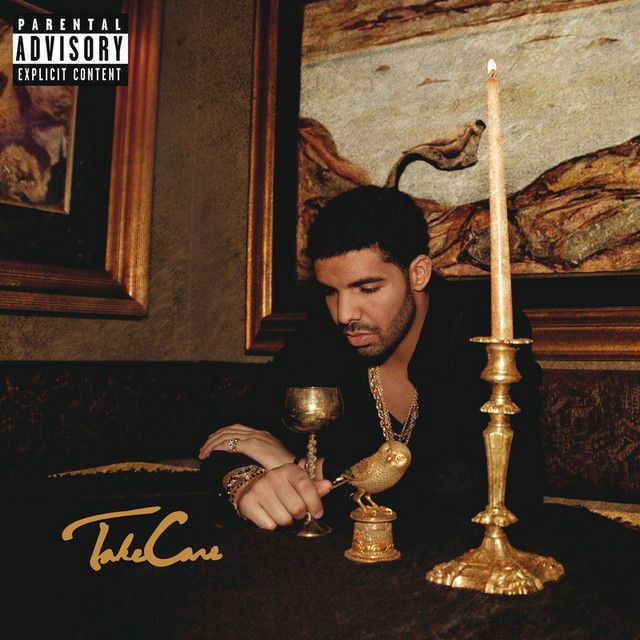
Factually, "Practice" appears on Take Care (2011), and it is widely noted for interpolating Juvenile’s 1998 hit "Back That Azz Up," according to Songfacts. That link to Cash Money history matters because Drake is borrowing a famous club anthem and reshaping it into something softer, moodier, and more self-conscious.

Watch the official Practice
music video
A confident narrator with a possessive streak
Drake’s narrator is speaking directly to a woman he believes has been disappointed before. He notices signs of work, exhaustion, and regret, then folds those details into a fantasy where he becomes the answer. In the verse, he suggests other men already had their shot and failed.
This is why lines about healing and desire sit next to brags. He says she deserves better, then quickly turns that into proof that he should be the one to provide it. Phrases like make it right
and benefit of the doubt
sound caring, but the song keeps circling back to control, status, and sexual certainty.
Interpretation: That tension is what makes the song more interesting than a standard slow jam. They are not only seducing; they are auditioning themselves as the final, superior choice.
How the hook reframes the whole story
The chorus is the song’s thesis. Drake argues that former lovers were just rehearsal, not the real event. That claim turns the woman’s past into part of his ego story.
All those other men were practice
for me
Before and after that idea, the song paints physical attraction very clearly. But the repeated hook gives the track its meaning. This is not just about chemistry in the present. It is about rewriting the past so that everything points toward Drake.
Interpretation: Some listeners hear this as playful confidence. Others hear it as a red flag, because it reduces the woman’s experiences to steps on the way to him. Both readings are supported by the song’s language.
Why the Juvenile connection matters so much
"Practice" would not feel the same without its conversation with Juvenile’s classic. Drake lifts key energy from "Back That Azz Up," including the New Orleans reference to the 504
, but changes the emotional setting. According to Songfacts, Juvenile said Drake’s version was more like an R&B song, while the original was a club record.
That difference is crucial. Juvenile’s hit is built for the dance floor and group release. Drake takes that public, rowdy source material and pulls it into a private room. The move says a lot about Take Care as an album: it often turns rap bravado into confession, vulnerability, or a moody after-hours vibe.
There is also industry context here. Songfacts reports that Mannie Fresh approved the rework after Drake and Cash Money handled the request professionally. That background does not change the lyrics, but it adds weight to the interpolation. Drake is not casually sampling a classic; they are stepping into a lineage and trying to make it personal.
The sound tells the same story as the words
Production helps carry the meaning of Practice Drake. The track was written by Aubrey Graham, Dwayne Carter, Adrian Eccleston, Terius Gray, Noah Shebib, Abel Tesfaye, and Byron Thomas. The song’s dreamy atmosphere fits the broader sonic world of Take Care, where space, melody, and emotional blur are central.
The beat feels smoother than the lyrics are blunt. That matters. A harder instrumental might make the song sound purely cocky. Instead, the softened production creates a strange blend of tenderness and dominance. It lets a line like money's got you workin'
feel half-observant and half-predatory.
Abel Tesfaye’s role is also important. Songfacts quotes him saying, briefly, that the hook was his. That helps explain why the chorus glides with a dark, yearning mood instead of hitting like a straightforward rap chant. The song lives in that mix of seduction and distance.
A few strong themes running underneath
Several themes give the track its staying power:
- Romance as competition: Drake measures himself against unnamed former partners.
- Desire and validation: The narrator wants the woman, but also wants proof that he is better than who came before.
- Transformation of a classic: A famous bounce anthem becomes a sleek, intimate R&B-rap song.
- Ego hiding inside care: Comforting language often leads back to self-promotion.
That layered approach may be one reason the song lasted. Songfacts notes that "Practice" charted in the UK in 2024 after a TikTok-driven revival. Even years later, listeners still respond to its mix of nostalgia, melody, and attitude.
Final takeaway on Drake’s "Practice"
In the end, the meaning of Practice Drake is less about love than about framing desire as destiny. Drake’s narrator tells a woman that her past taught her how to recognize the real thing, and that the real thing is him.
That makes the song catchy, provocative, and a little uneasy at the same time. It is seductive music built on bragging rights, with a smooth sound that softens some of its most possessive ideas.
Disclaimer: This article offers an interpretation of the song based on lyrics, production, and documented context. Different listeners may reasonably hear it in different ways.







