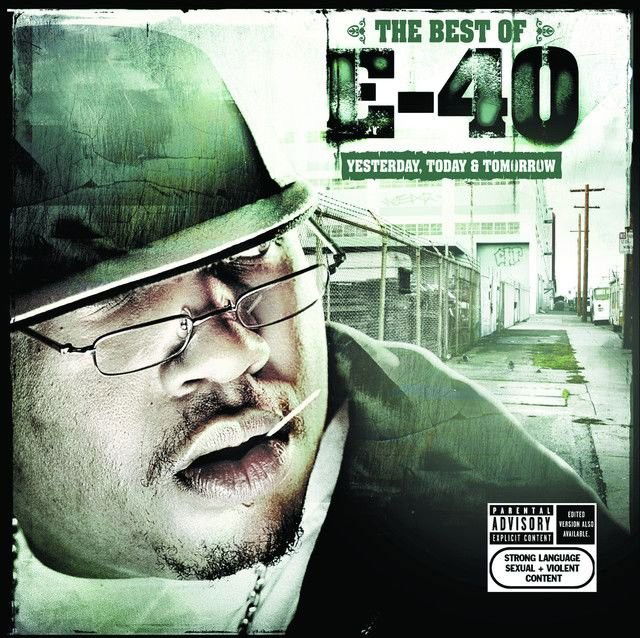
It's On by E-40
The meaning of It's On E-40 starts with pressure. This is not a reflective song or a moral lesson. It is a statement record built to announce presence, test rivals, and show exactly where E-40 stands: rooted in Bay Area pride, proud of survival, and ready for confrontation.
"It's On" - E-40
(E-40) Motherfuckers want they pockets swell
Smebbin' now, dope train, shit, fuck it
Loading lyrics...
Unable to load lyrics
We're unable to display the lyrics at this time. Please try again later.
E-40, born Earl Stevens, built his name as a Vallejo rapper, a founding member of the Click, and the head of Sick Wid It Records, a path documented in his career history at E-40. That background matters here. The song sounds like early regional rap culture in motion: local slang, neighborhood identity, and self-made confidence turned all the way up.
What the Song Is Really Saying
At its core, the track is about dominance. E-40 and Rich present themselves as untouchable figures whose reputation is earned, not invented. When the chorus keeps returning to It's on!
, they are not just saying a party has started. They are saying the rules are active now: competition, status, and respect all count.
Interpretation: the phrase works like a challenge and a warning at once. In one sense, it means they are fully engaged. In another, it means anyone doubting them is about to get checked.
The verses keep building that idea. E-40 boasts about skill, money-making, and endurance, but he also ties those boasts to place. He says he represents east side of the Oaktown
, grounding all that bravado in local identity. This is not generic rap toughness. It is territorial, specific, and proud.
Watch the official It's On
music video
Bay Area Pride Is the Engine
A big part of the meaning of It's On E-40 is regional loyalty. Bay Area rap has long treated neighborhood identity as a badge of truth. On this song, E-40 turns that badge into proof of authenticity.
He repeatedly separates real players from pretenders. When he talks about being respected under pressure and about where he swerves, he frames his identity as something tested in public. The place-name references do more than set the scene. They tell listeners that his credibility comes from a real environment, not fantasy.
Why the local slang matters
E-40 is famous for inventive vocabulary and Bay-flavored phrasing. Even listeners who do not catch every term can hear the function of the language: it creates insider status. The song sounds like it belongs to a living community with its own codes.
That is one reason the record feels so forceful. The slang is not decorative. It helps draw a line between those who live this reality and those who only imitate it.
Swagger, Hustle, and Survival
The song also links rap skill to economic survival. E-40 does not present success as luck. He presents it as hustle sharpened into style.
When he says his flow so sick
, he is obviously praising his technique. But around that boast, he also talks about getting paid, building reputation, and refusing to lose money. The message is simple: talent has value, and smart artists turn talent into income.
That fits E-40's larger career. He came up through independent Bay Area rap, sold music outside the usual system, and later became known as both a rapper and entrepreneur. In that light, the song's money talk feels less like random flexing and more like a self-made creed.
Interpretation: beneath the aggression, there is a survival mindset. They are not only trying to look strong. They are insisting that strength was necessary.
The Diss Energy Has a Purpose
One of the sharpest sections is the verse aimed at fake street figures. E-40 tears down a person who talks big but does not live what he claims. The key idea is summed up in you ain't got to lie
. He mocks false wealth, fake toughness, and performative status.
This matters because it gives the song a target. Without that section, the record might just be celebration. With it, the song becomes a defense of authenticity. The artists are not only lifting themselves up; they are exposing the gap between real reputation and costume.
You don't want to see me
Cause in a major way
Fool, it's on!
That hook-and-response moment sharpens the song's drama. It sounds like a public warning, almost like a crowd scene where confidence becomes theater.
How the Sound Carries the Meaning
The production supports the record's confrontational mood. The beat leaves room for E-40's voice to punch through, and the repeated hook makes the song feel like a chant. Instead of softening the verses, the groove keeps resetting the challenge.
Rich's ad-libs and responses matter too. They create the feeling of a crew record, even when E-40 is the clear center. That call-and-response style turns personal boasting into group energy. It feels communal, like status is being confirmed by witnesses.
There is also an old-school looseness to the track. The rhythm and vocal approach carry the rough, regional character of early 1990s Bay Area rap rather than polished crossover rap. That helps the message land: this is street-level identity before mainstream smoothing.
A Song About Reputation More Than Violence
Even though the language is aggressive, the deeper focus is reputation. The song is obsessed with who is real, who folds under pressure, who earns money, and who deserves respect. Violence is part of the threat language, but the real currency here is credibility.
That is why the repeated declarations hit so hard. The chorus keeps returning to action, but the verses keep proving why that action matters. They want listeners to understand that image without substance means nothing.
Final Take on the Meaning
The meaning of It's On E-40 is a mix of battle rap, Bay Area pride, and self-made identity. E-40 uses swagger, slang, and sharp put-downs to defend authenticity and celebrate a hustler's mindset. The song says that respect is earned through skill, location, and lived experience, not just loud talk.
Interpretation disclaimer: Song meaning is never fully fixed. This reading is based on the lyrics provided, E-40's Bay Area career context, and the way the song's sound reinforces its themes.







